Then & Now

Explore places through time

Drag between historic photographs and the same locations today.

↕Explore comparisonsBrowse the latest Then & Now photos+Submit your ownAdd a historic comparison

Explore Then & Now

Find historic photo comparisons near you, or explore locations around the world.

Explore popular locations

Submit your own

Submit

Search

Last 10 updates

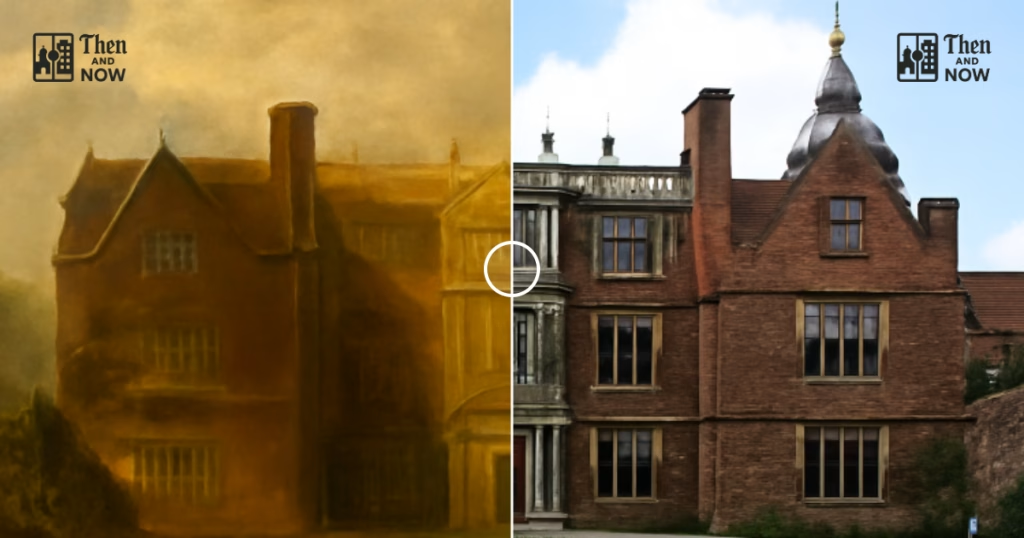
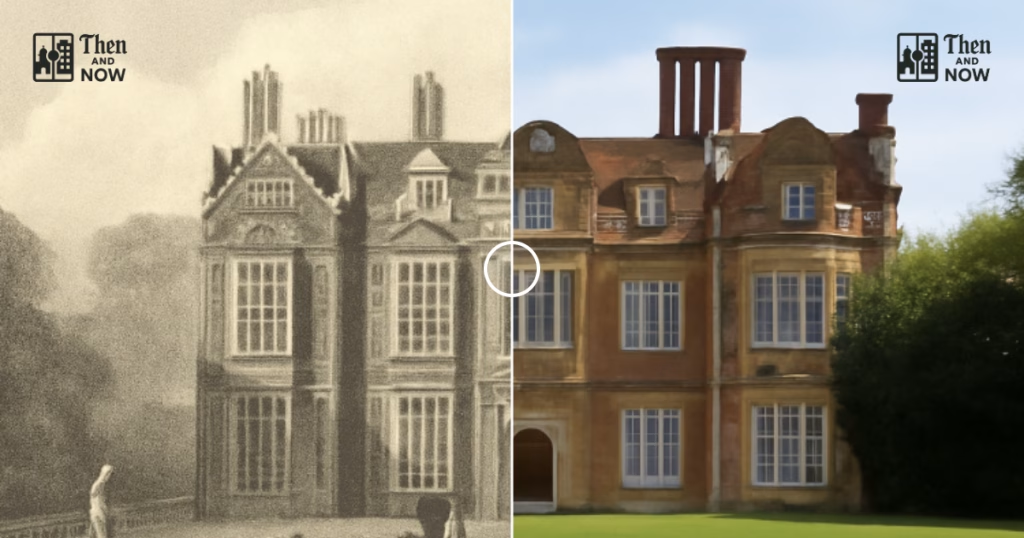
  • Castle Bromwich Hall, Solihull – Then & Now (1827–2026)

    Then and now comparison: Castle Bromwich Hall, Solihull – Then & Now (1827–2026)View interactive comparison →

    Castle Bromwich Hall, constructed between 1599 and 1602, stands as a notable example of Jacobean architecture in the West Midlands. Originally a private residence, this impressive mansion has undergone significant transformation and now functions as a luxury hotel, offering guests a glimpse into its rich historical legacy. The estate is also home to meticulously maintained 18th-century gardens, which are preserved by a dedicated conservation trust, ensuring that the beauty and cultural significance of this historic site are cherished for future generations. The juxtaposition of its opulent past with modern hospitality reflects the evolving use of such heritage sites.
    (more…)

  • Ickenham’s Swakeleys House – Then & Now (1890–2024)

    Then and now comparison: Ickenham’s Swakeleys House – Then & Now (1890–2024)View interactive comparison →

    Swakeleys House, located in Ickenham, is an impressive example of architectural evolution, showcasing a blend of Jacobean and Classical styles. Constructed in 1638 for Sir Edmund Wright, the mansion served not only as a residence but also as a statement of prestige for the affluent merchant and future Lord Mayor of London. The distinctive H-shaped layout, coupled with ornate Dutch gables, highlights the elaborate craftsmanship of the period. The interiors of Swakeleys House further reflect the wealth and social standing of its original owner, making it a significant landmark in the region’s architectural heritage.

    (more…)

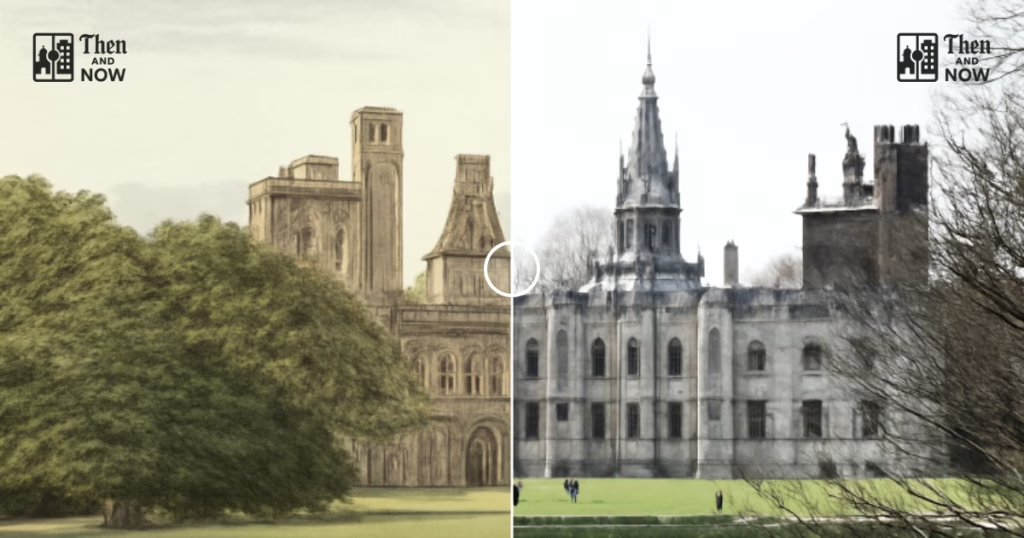
  • Cardiff Castle – Then & Now (1870–2025)

    Then and now comparison: Cardiff Castle – Then & Now (1870–2025)View interactive comparison →

    Cardiff Castle boasts a rich heritage spanning nearly two millennia, originating as a Roman fort in the 1st century. Over the centuries, it underwent significant transformations, becoming a formidable Norman fortress in the 11th century. The site was further enhanced in the 19th century under the direction of the 3rd Marquess of Bute, who reimagined it as a lavish palace in the Victorian Gothic Revival style, showcasing intricate designs and ornate decorations. This remarkable evolution reflects the changing architectural trends and historical significance of the castle, making it a prominent landmark in Cardiff today.

    (more…)

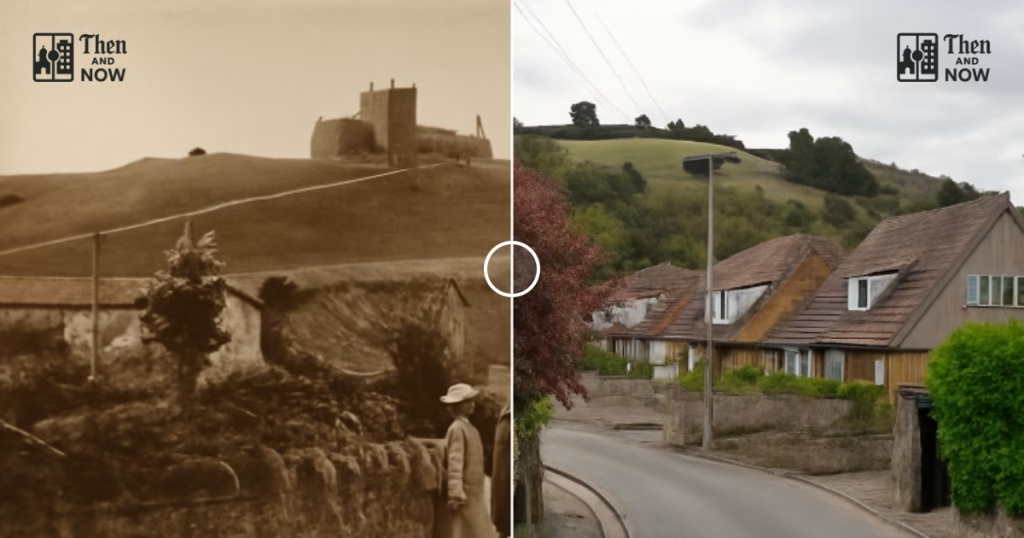
  • St Nicholas’ Old Church, Scarborough – Then & Now (1900–2026)

    Then and now comparison: St Nicholas’ Old Church, Scarborough – Then & Now (1900–2026)View interactive comparison →

    This comparison highlights the evolving landscape of Uphill, Weston-super-Mare, with a focus on the historic St Nicholas’ Old Church. The church, a notable Grade II* listed structure, dates back to the 11th century and is celebrated for its architectural significance and historical value. Originally situated in a more confined lane, the road has been altered over the years, becoming straighter following the demolition of nearby cottages in the 20th century. Notably, the church stands atop a limestone Site of Special Scientific Interest, underscoring its prominence in both historical and natural contexts. This juxtaposition captures the interplay between preservation and development in the area.

    (more…)

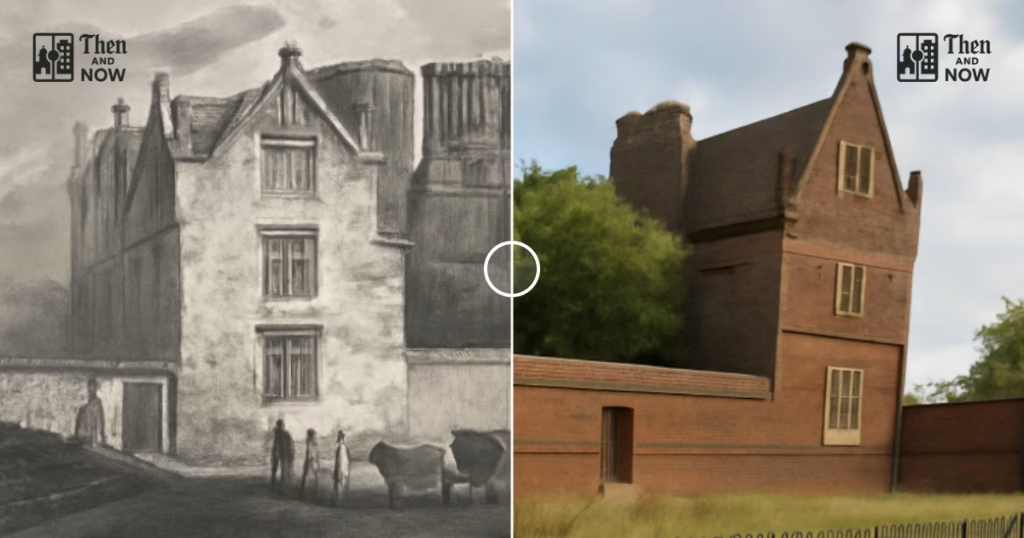
  • Barking Abbey – Then & Now (1832–2026)

    Then and now comparison: Barking Abbey – Then & Now (1832–2026)View interactive comparison →

    Eastbury Manor House, located in Barking, is an exceptional example of Elizabethan architecture, constructed between 1566 and 1573 by merchant Clement Sysley. This Grade I listed building showcases distinctive red brickwork, elaborate chimney stacks, and stone-mullioned windows, reflecting the style of its era.

    Despite its historical significance, the manor faced deterioration in the 19th century, leading to a near-demolition fate. Fortunately, it was rescued by the Society for the Protection of Ancient Buildings and later taken under the care of the National Trust in 1918, ensuring its conservation as an important representation of Elizabethan domestic life and architecture in East London.

    (more…)

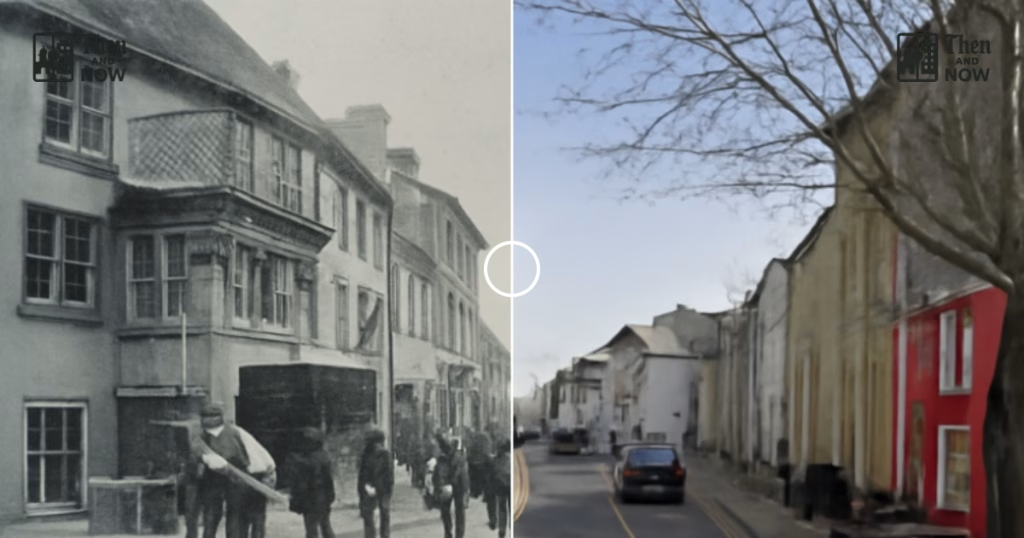
  • The Kings Arms Hotel, Penryn – Then & Now (1871–2025)

    Then and now comparison: The Kings Arms Hotel, Penryn – Then & Now (1871–2025)View interactive comparison →

    The Kings Arms Hotel, located in the heart of Penryn, Cornwall, boasts a rich history that traces back to 1489, marking it as a significant establishment in the area. This Grade II listed building is notable for its striking bow window, which enhances its architectural charm. Over the centuries, the inn has maintained its role as a central hub for the community, evolving into a town centre pub that continues to serve patrons today. The enduring presence of the Kings Arms reflects the social and cultural fabric of Penryn, making it a key landmark in the town’s historical narrative.

    (more…)

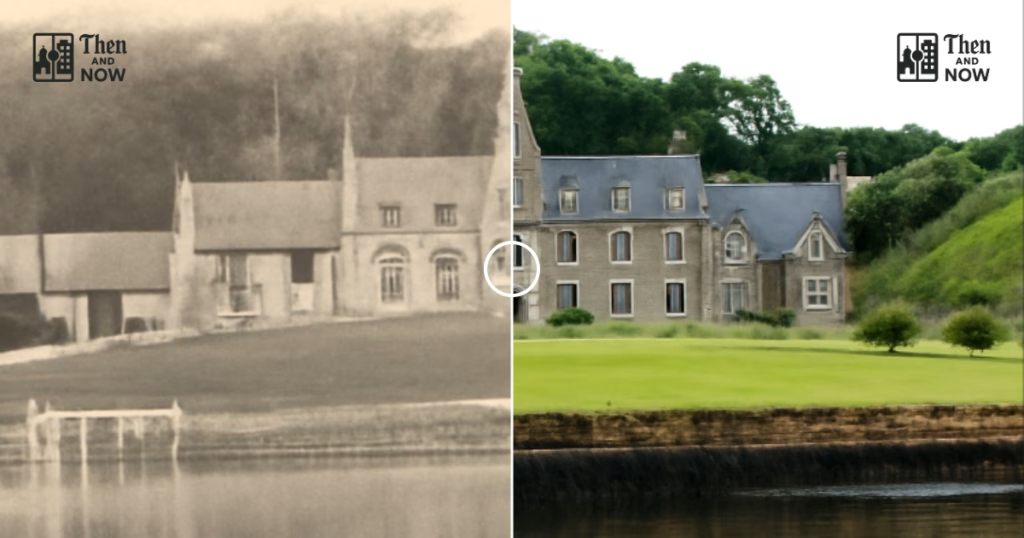
  • Place House, Cornwall, Fowey – Then & Now (1907–2025)

    Then and now comparison: Place House, Cornwall, Fowey – Then & Now (1907–2025)View interactive comparison →

    Place House, located in Cornwall, is built on the historical grounds of a 12th-century Augustinian priory, a site that has evolved significantly over the centuries. After the dissolution of the monasteries, the estate became the residence of the influential Spry family during the Tudor era. In the 1840s, Sir Samuel Spry undertook a major reconstruction, transforming the property into a striking French Gothic mansion. This renovation included architectural features that harmoniously incorporated elements from the nearby medieval church, such as a notable three-story carriage porch crowned with a square spire that echoes the church tower’s design. The juxtaposition of historical and modern elements in the landscape illustrates the rich heritage of Place House.

    (more…)

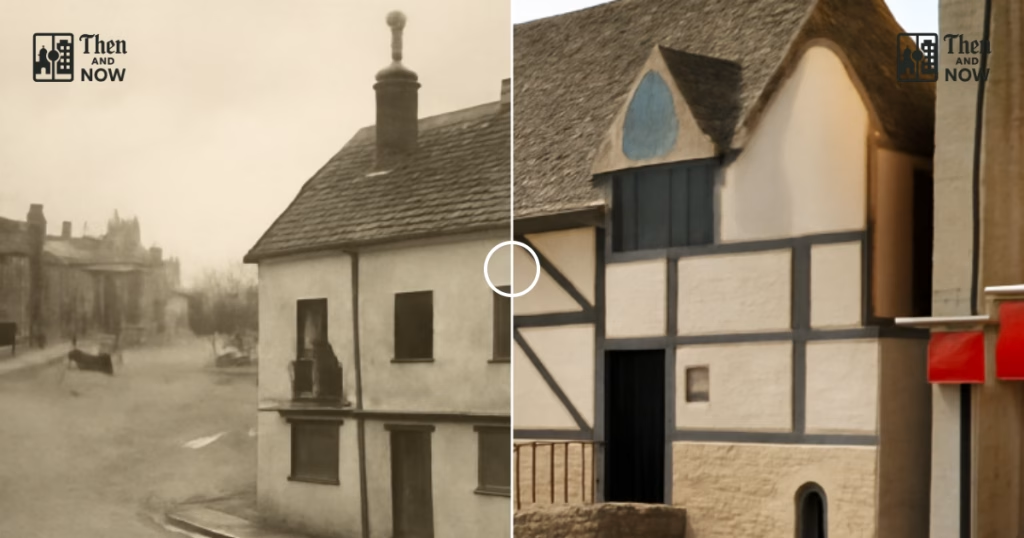
  • Yelde Hall, Chippenham, Wiltshire – Then & Now (1800s–2024)

    Then and now comparison: Yelde Hall, Chippenham, Wiltshire – Then & Now (1800s–2024)View interactive comparison →

    Yelde Hall, located in Chippenham, Wiltshire, boasts a rich history dating back to 1450. This Grade I listed building has served the community in various capacities over the centuries, reflecting its multifunctional design. The cellar was historically used as a jail, demonstrating its role in local law enforcement, while the ground floor accommodated a courtroom, highlighting its judicial significance. The upper floor was dedicated to civic meetings as a council chamber, showcasing its importance in local governance. Today, Yelde Hall continues to stand as a testament to the town’s heritage, offering insight into the civic life of past generations.

    (more…)

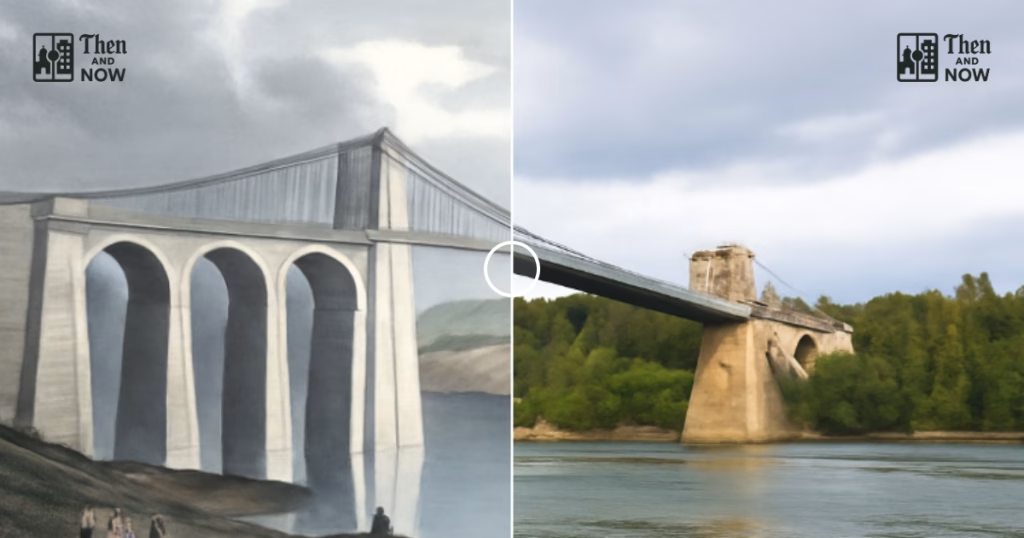
  • Menai Suspension Bridge, Anglesey – Then & Now (1843–2025)

    Then and now comparison: Menai Suspension Bridge, Anglesey – Then & Now (1843–2025)View interactive comparison →

    The Menai Suspension Bridge stands as a remarkable testament to early 19th-century engineering, completed in 1826 under the expertise of Thomas Telford. This iconic structure was designed to link the mainland of Wales with Anglesey, utilising robust iron chains that were innovative for its time. Elevated to accommodate the passage of Royal Navy vessels beneath it, the bridge reflects the advancements of the Industrial Revolution and serves as a vital transportation link, showcasing both aesthetic appeal and functional design. Its enduring presence continues to attract admiration for its historical significance and engineering prowess.

    (more…)

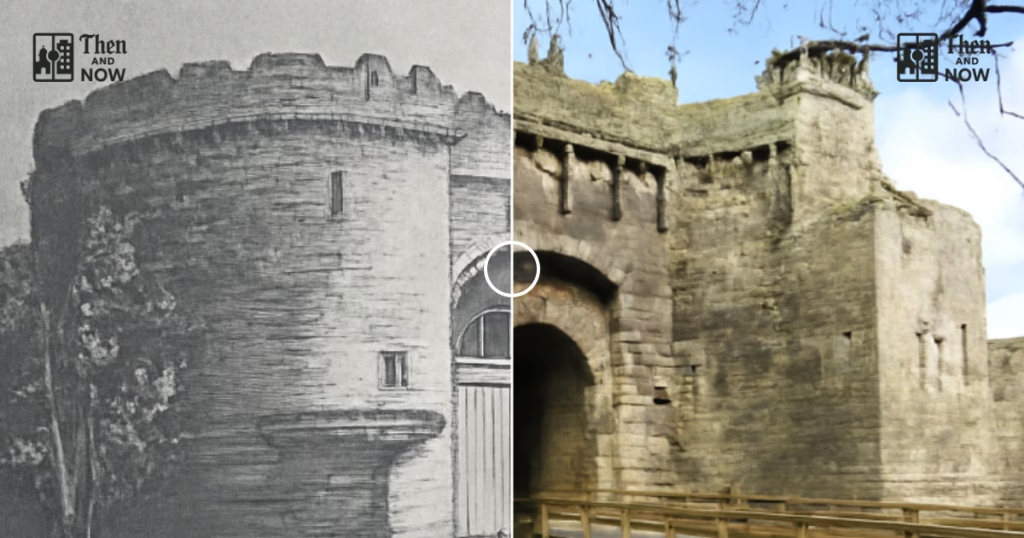
  • Beaumaris Castle – Then & Now (1840–2024)

    Then and now comparison: Beaumaris Castle – Then & Now (1840–2024)View interactive comparison →

    Beaumaris Castle stands as a remarkable testament to medieval military engineering, commissioned in 1295 during King Edward I’s campaign to consolidate power in Wales. Its design exemplifies the innovative use of concentric fortifications, characterized by multiple layers of walls that enhance its defensibility. The castle features an impressive moat, which served both as a deterrent to attackers and a means of protection. Its meticulously planned symmetrical layout ensured that every angle was covered, minimizing vulnerabilities for those inside. Today, Beaumaris Castle remains a significant historical site, attracting visitors who marvel at its architectural prowess and the strategic vision of its time.

    (more…)