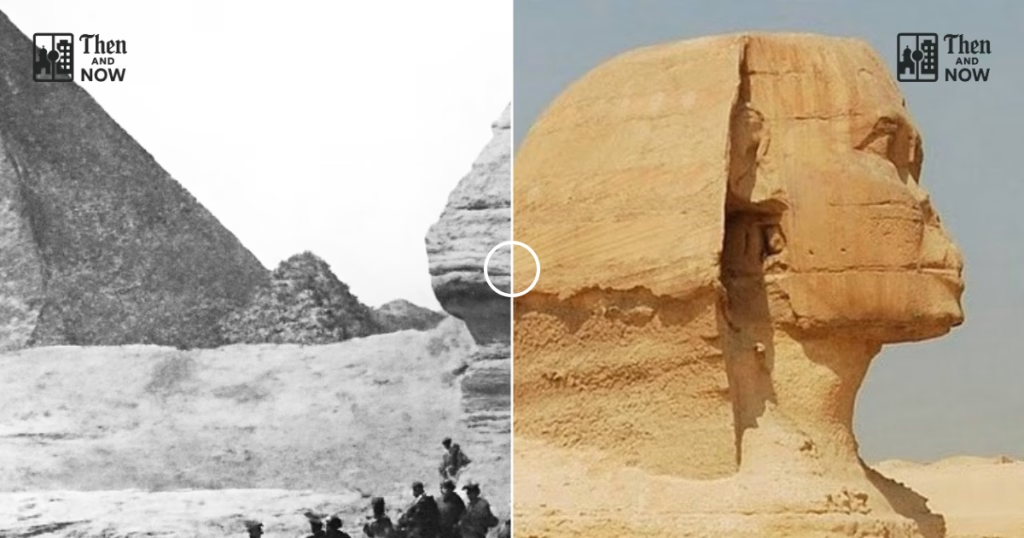
 View interactive comparison →
The Great Sphinx of Giza, an iconic symbol of ancient Egypt, is renowned for its impressive limestone structure, believed to date back to the reign of the Pharaoh Khafre around 2500 BC. This monumental statue, depicted with a lion’s body and a human head, has long been a subject of fascination and research, with its purpose and the identity of the figure still debated among historians.
In the comparison of images from 1900 and 2015, we can observe the ongoing preservation efforts and the impact of environmental factors over the decades. The Sphinx remains a vital part of Egypt’s cultural heritage, attracting millions of visitors each year, while its surrounding landscape has seen significant changes due to tourism and urban development.