Explore

Wales Then and Now

Explore 19 historic and modern photo comparisons from Wales. Drag the interactive sliders to see how these places have changed over time.

Explore Wales then and now through historic and modern photographs of its towns, cities, streets and landmarks.

  • Llanthony Priory, Llanthony, Monmouthshire – Then & Now (1920–2025)

    Now: Llanthony Priory 1920 – 2025
    Then: Llanthony Priory 1920 – 2025

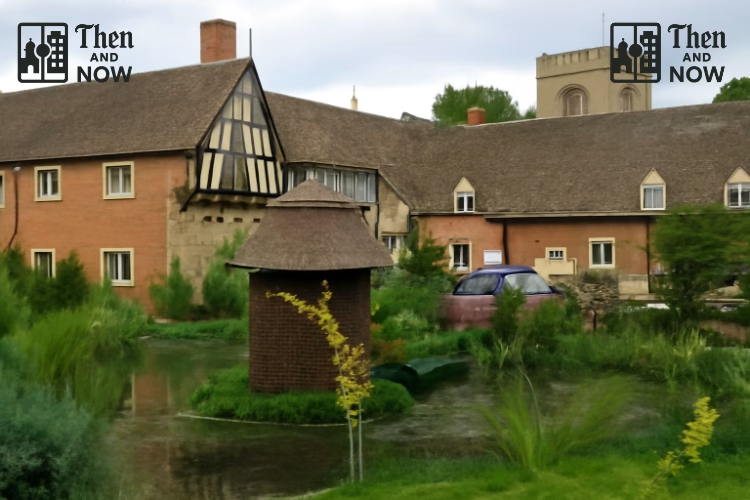
    Llanthony Priory, a site with a rich monastic heritage, has an intriguing connection to Brockworth Court, a Grade II* listed manor house constructed circa 1530. Built by Richard Hart, the last Prior of Llanthony Secunda, this manor served as a peaceful retreat shortly before the upheaval of the Dissolution of the Monasteries under Henry VIII.

    Nestled near the 12th-century Church of St George, Brockworth Court showcases distinct Tudor architectural elements, including a timber-framed upper story and a stone ground floor. The interior is notable for its historic features, such as internal wall paintings, a hidden priest hole, and a depiction of Henry VIII’s coat of arms, recalling the King’s visit with Anne Boleyn in 1535. Since the priory’s dissolution in 1538, the manor has remained within the ownership of prominent families, currently serving as a private residence.
    (more…)

  • Wales’ Hay-on-Wye Castle – Then & Now (1797–2025)

    Now: Wales’ Hay-on-Wye Castle 1797 – 2025
    Then: Wales’ Hay-on-Wye Castle 1797 – 2025

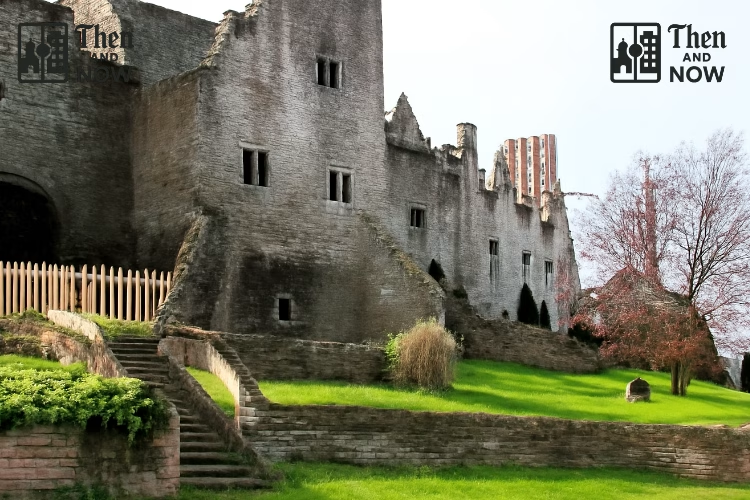
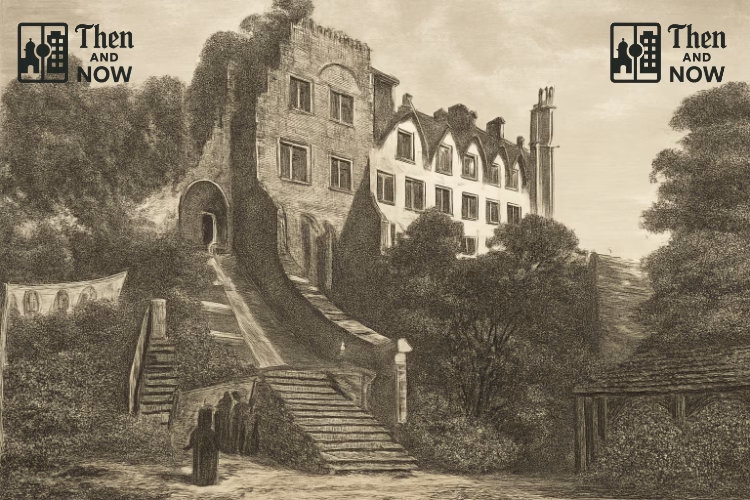
    Hay-on-Wye Castle, established around the year 1200 by the Norman lord William de Braose, is steeped in a tumultuous history marked by the conflicts along the Anglo-Welsh border. Originally constructed over an earlier earthwork fortification, the castle transitioned into a fortified manor during the 1600s, reflecting the changing needs and styles of the time.

    However, its storied past was marred by a catastrophic fire in 1939, which left the once-magnificent structure in ruins. Today, the remnants of the castle stand as a poignant reminder of its historical significance and the turbulent events that shaped its existence over the centuries.

    (more…)

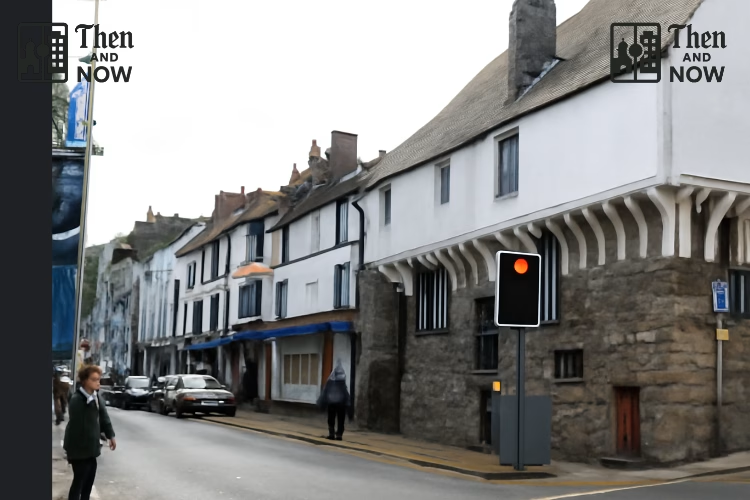
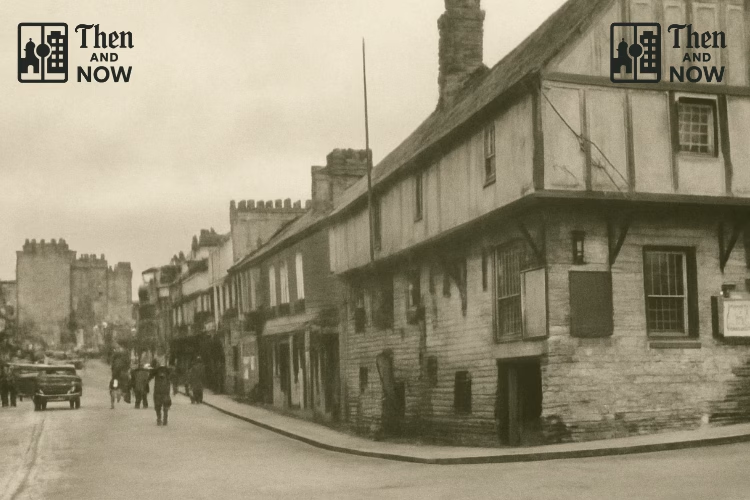
  • Aberconwy House, Conwy – Then & Now (1910–2025)

    Now: Aberconwy House, Conwy 1910 – 2025
    Then: Aberconwy House, Conwy 1910 – 2025

    Aberconwy House, located in Conwy, Wales, stands as the town’s oldest surviving merchant’s townhouse and the only medieval residential structure within the town walls to have remained intact since the English conquest. Erected around the year 1400 for a successful merchant shortly after the establishment of the walled borough by King Edward I, this historic building showcases a robust stone ground floor that initially served as a shop and trading cellar.

    In the present day, Aberconwy House is maintained by the National Trust, allowing visitors to appreciate its rich history and architectural significance, as it continues to be a vital link to Conwy’s medieval past.

    (more…)

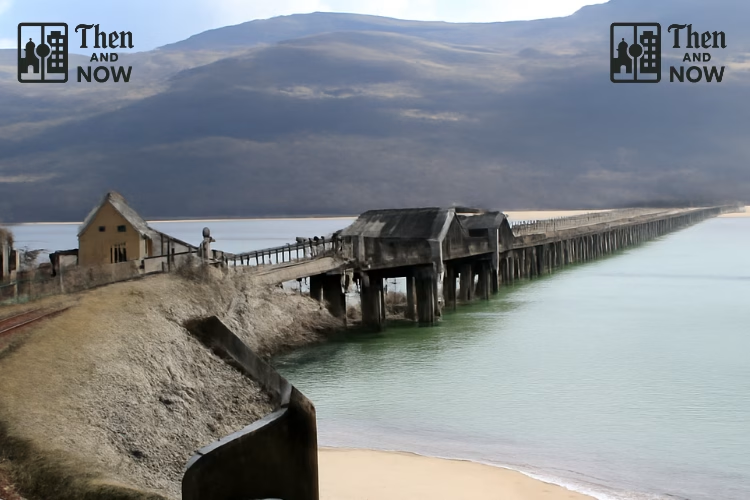
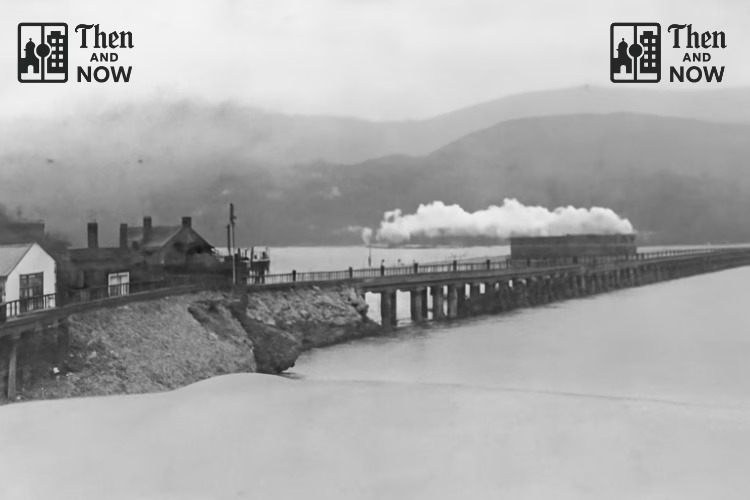
  • Barmouth Bridge – Then & Now (1902–2026)

    Now: Barmouth Bridge 1902 – 2026
    Then: Barmouth Bridge 1902 – 2026

    Barmouth Bridge, a remarkable feat of engineering, was completed in 1867 and remains the longest timber trestle railway bridge in the UK still in use. Spanning 820 metres, this Grade II* listed structure showcases a unique combination of wood and iron, with its original steel drawbridge section replaced by wrought-iron swing spans in 1899 to accommodate maritime traffic.

    Over the years, the bridge has faced numerous challenges, including significant damage from marine wood-boring shipworms in the 1980s and ongoing threats of closure to the rail line it serves. Despite these obstacles, extensive restoration projects have ensured the bridge’s continued prominence in Wales’ landscape and its vital role in local transport.

    (more…)

  • Cardiff Castle – Then & Now (1870–2025)

    Now: Cardiff Castle 1870 – 2025
    Then: Cardiff Castle 1870 – 2025

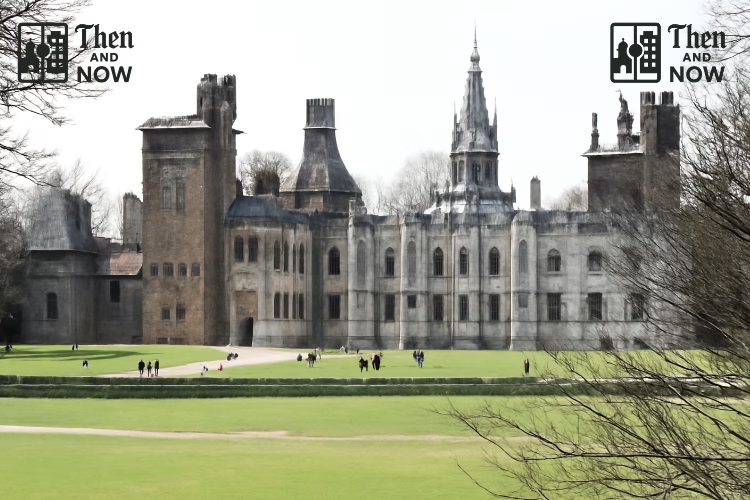
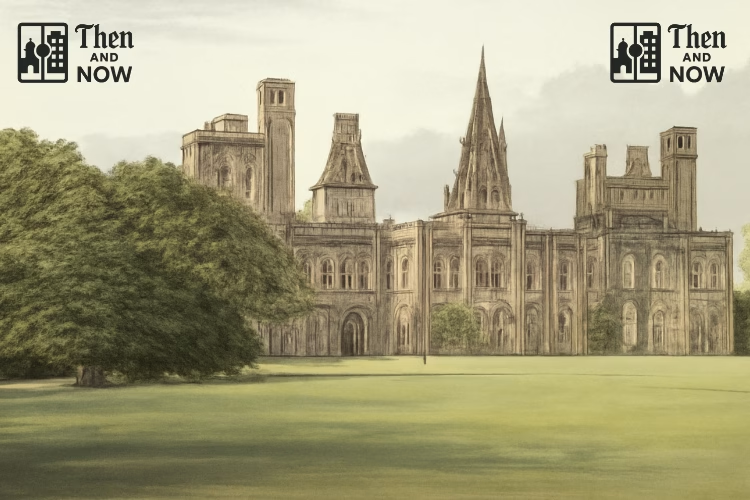
    Cardiff Castle boasts a rich heritage spanning nearly two millennia, originating as a Roman fort in the 1st century. Over the centuries, it underwent significant transformations, becoming a formidable Norman fortress in the 11th century. The site was further enhanced in the 19th century under the direction of the 3rd Marquess of Bute, who reimagined it as a lavish palace in the Victorian Gothic Revival style, showcasing intricate designs and ornate decorations. This remarkable evolution reflects the changing architectural trends and historical significance of the castle, making it a prominent landmark in Cardiff today.

    (more…)

  • Menai Suspension Bridge, Anglesey – Then & Now (1843–2025)

    Now: Menai Suspension Bridge 1843 – 2025
    Then: Menai Suspension Bridge 1843 – 2025

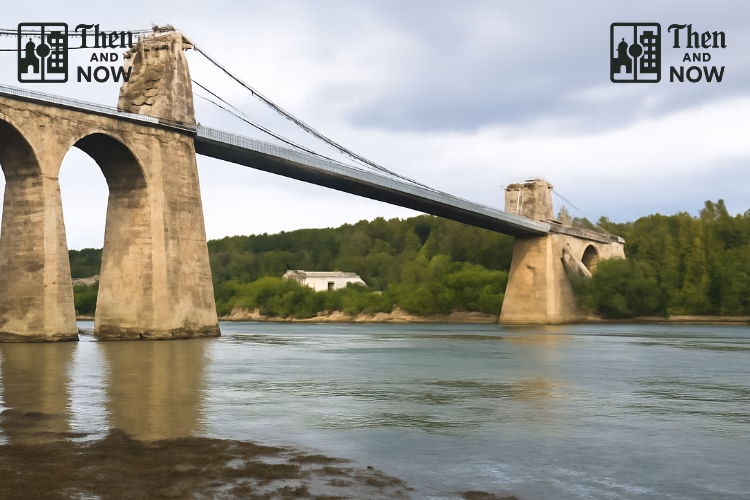
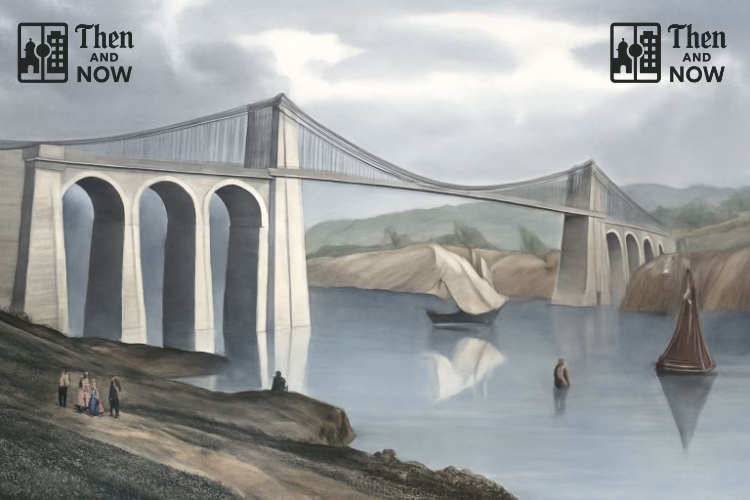
    The Menai Suspension Bridge stands as a remarkable testament to early 19th-century engineering, completed in 1826 under the expertise of Thomas Telford. This iconic structure was designed to link the mainland of Wales with Anglesey, utilising robust iron chains that were innovative for its time. Elevated to accommodate the passage of Royal Navy vessels beneath it, the bridge reflects the advancements of the Industrial Revolution and serves as a vital transportation link, showcasing both aesthetic appeal and functional design. Its enduring presence continues to attract admiration for its historical significance and engineering prowess.

    (more…)

  • Beaumaris Castle – Then & Now (1840–2024)

    Now: Beaumaris Castle 1840 – 2024
    Then: Beaumaris Castle 1840 – 2024

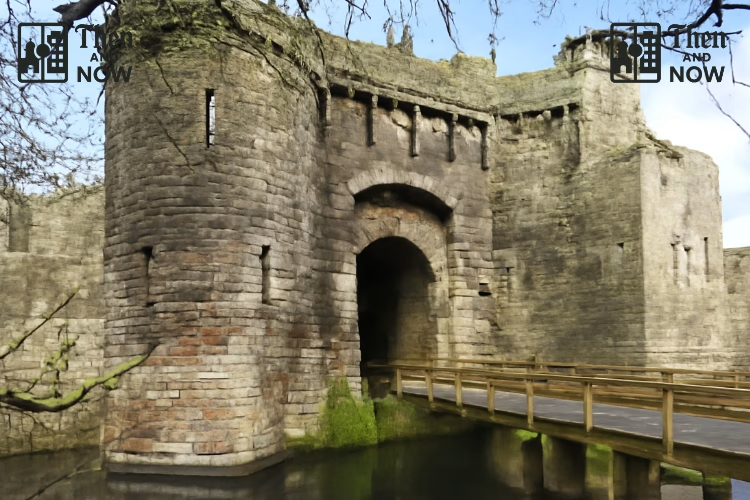
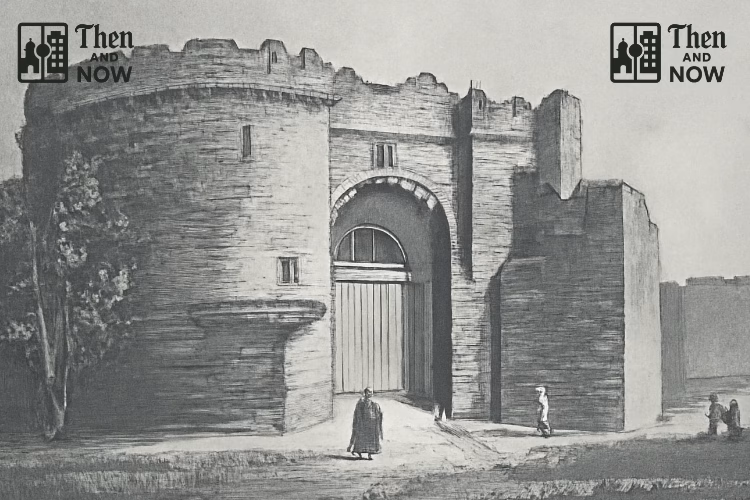
    Beaumaris Castle stands as a remarkable testament to medieval military engineering, commissioned in 1295 during King Edward I’s campaign to consolidate power in Wales. Its design exemplifies the innovative use of concentric fortifications, characterized by multiple layers of walls that enhance its defensibility. The castle features an impressive moat, which served both as a deterrent to attackers and a means of protection. Its meticulously planned symmetrical layout ensured that every angle was covered, minimizing vulnerabilities for those inside. Today, Beaumaris Castle remains a significant historical site, attracting visitors who marvel at its architectural prowess and the strategic vision of its time.

    (more…)

  • Flint Castle – Then & Now (1830–2025)

    Now: Flint Castle 1830 – 2025
    Then: Flint Castle 1830 – 2025

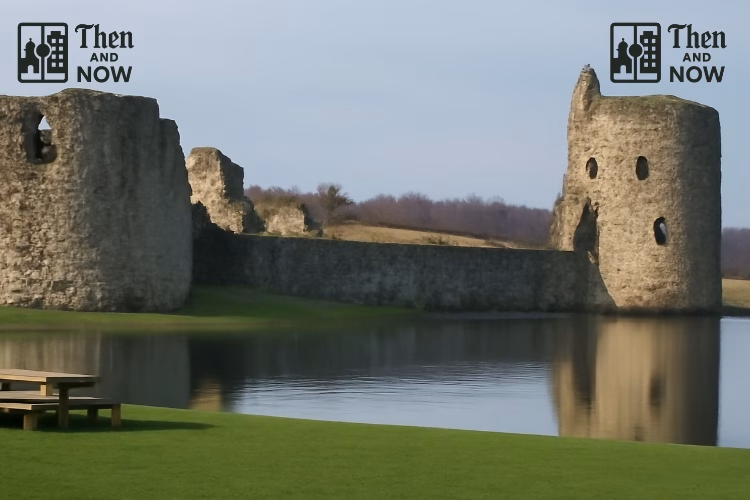
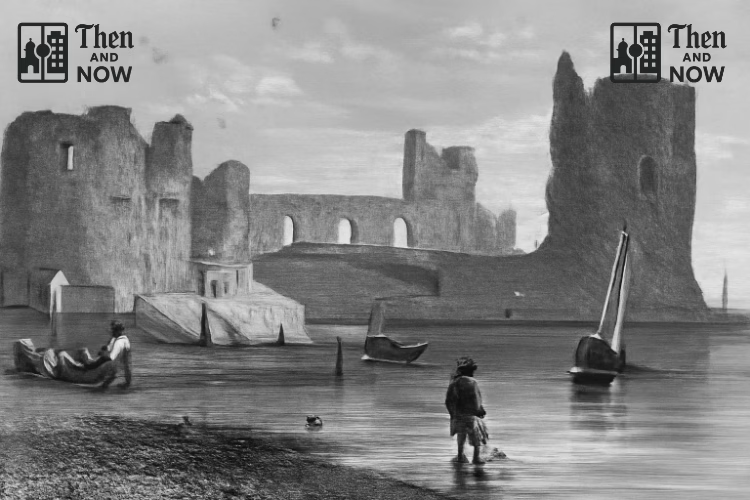
    Flint Castle, situated on the banks of the River Dee estuary in North Wales, was strategically constructed to allow medieval vessels to moor at its formidable stone walls. Originally, the castle enjoyed a coastal position, completely encircled by the sea. Over the centuries, however, the landscape has transformed significantly due to natural sediment deposition and land reclamation efforts, resulting in the castle now being situated further inland.

    Despite these changes, high tides can still encroach upon Flint Castle, momentarily restoring its historic connection to the water. This phenomenon serves as a reminder of the castle’s original maritime surroundings, which have altered dramatically since its establishment, yet still hold echoes of the past.

    (more…)

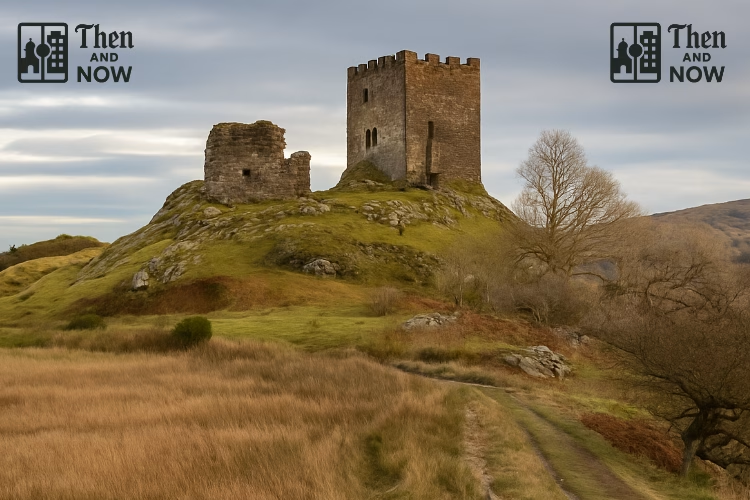
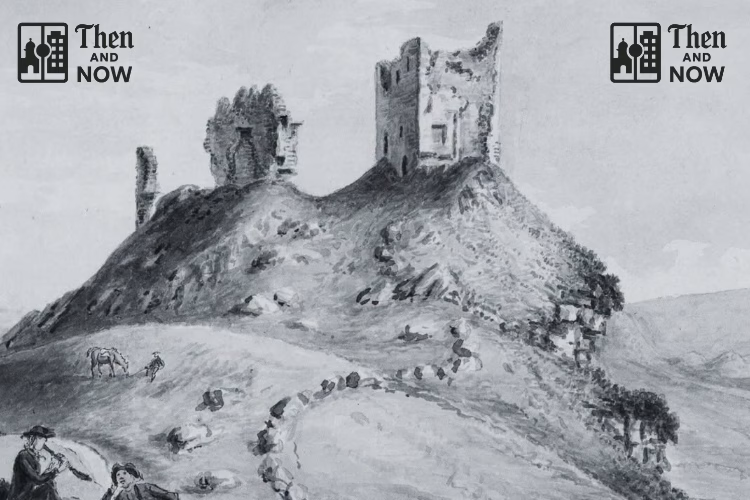
  • Dolwyddelan Castle – Then & Now (1726–2026)

    Now: Dolwyddelan Castle 1726 – 2026
    Then: Dolwyddelan Castle 1726 – 2026


    (more…)

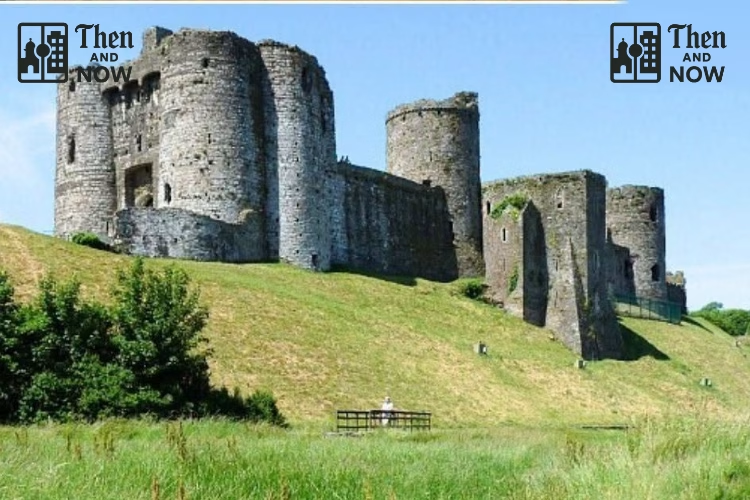
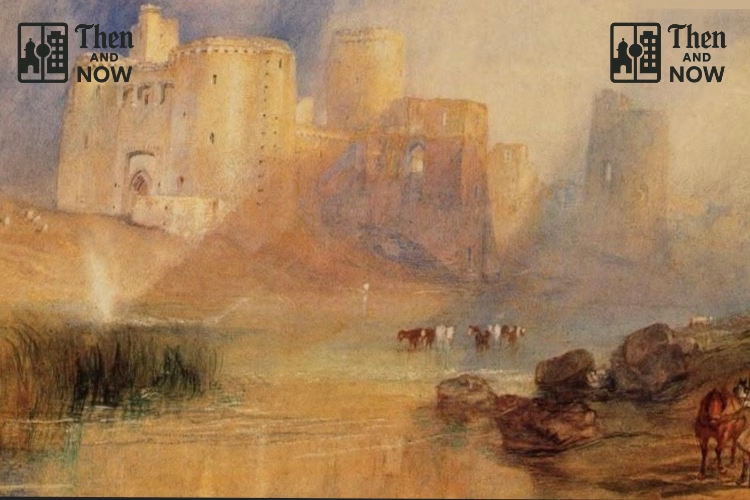
  • Kidwelly Castle – Then & Now (1837–2024)

    Now: Kidwelly Castle 1837 – 2024
    Then: Kidwelly Castle 1837 – 2024


    (more…)