Author: Jon Hall

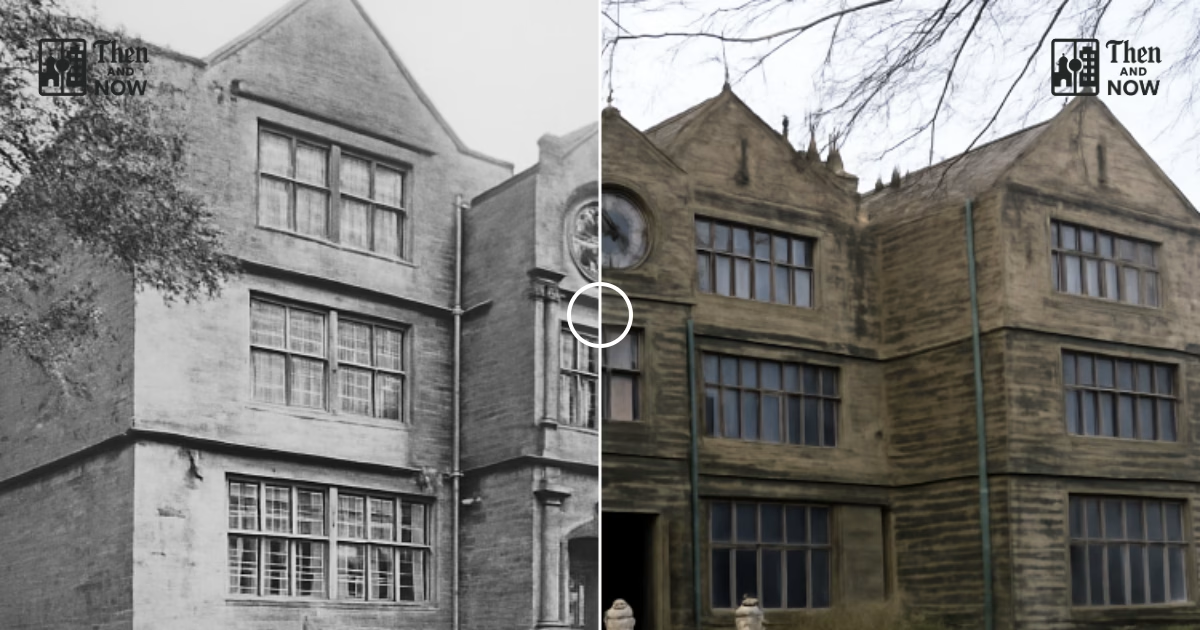
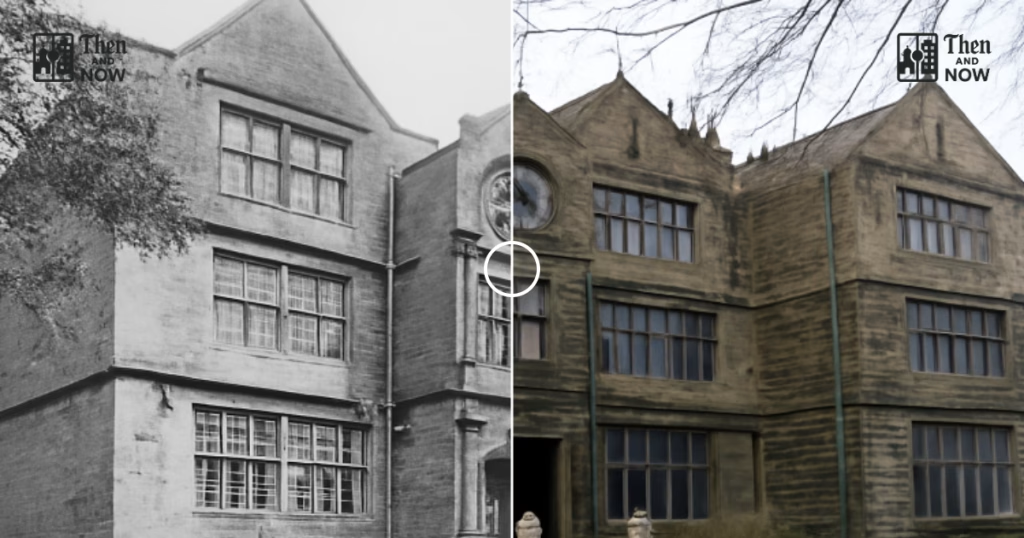
  • Barkisland Hall 1906 – 2024

    Barkisland Hall 1906 – 2024

    Then and now comparison: Barkisland Hall 1906 – 2024View interactive comparison →

    Barkisland Hall, constructed in 1638, serves as a notable example of 17th-century stone architecture in West Yorkshire. Originally commissioned by John and Sarah Gledhill, this country house has witnessed a rich history, reflecting changes in ownership and function over the centuries.

    In the 1920s, the hall underwent significant renovations, which contributed to its preservation and adaptation for contemporary use. Despite these alterations, Barkisland Hall retains its status as an important architectural feature within the local landscape, symbolizing the historical narrative of the region. Its enduring presence continues to connect the past with the present, highlighting the hall’s cultural significance.
    (more…)

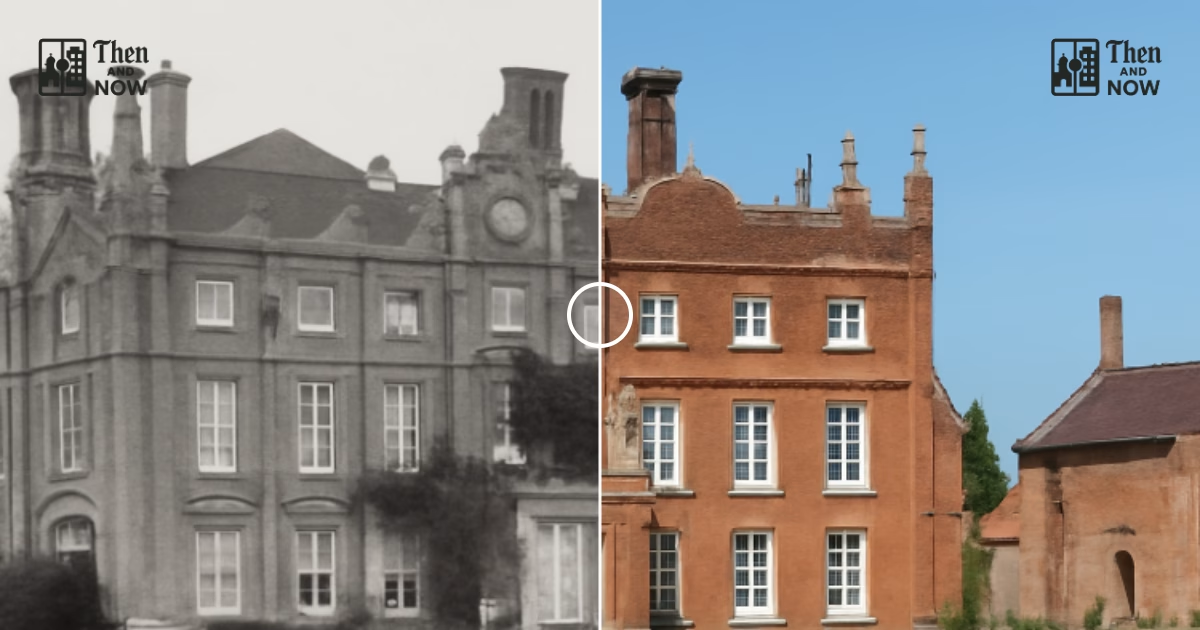
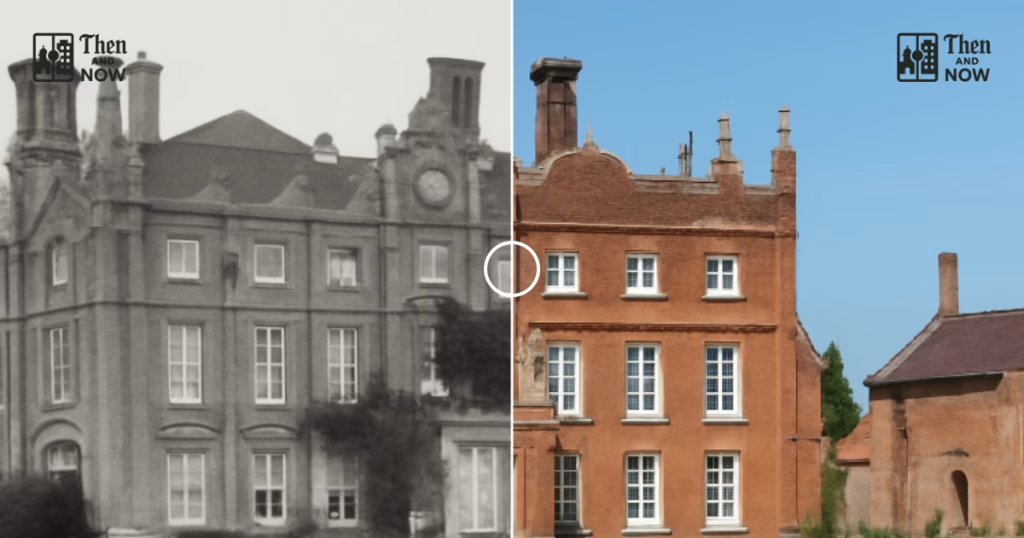
  • Cockfield Hall, Yoxford 1900 – 2024

    Cockfield Hall, Yoxford 1900 – 2024

    Then and now comparison: Cockfield Hall, Yoxford 1900 – 2024View interactive comparison →

    Cockfield Hall, located in Yoxford, is a notable example of a Tudor manor house with origins tracing back to the 16th century. The estate has undergone various renovations over the centuries, which have contributed to its architectural evolution. As a result, visitors today can observe a harmonious combination of the hall’s original Tudor features alongside elements introduced in later periods. This blend of styles reflects the changing tastes and needs of its inhabitants while preserving a connection to its historical roots, making Cockfield Hall a fascinating subject for both history enthusiasts and architectural admirers.

    (more…)

  • Port Reeve’s House, Tonbridge 1905 – 2024

    Port Reeve’s House, Tonbridge 1905 – 2024

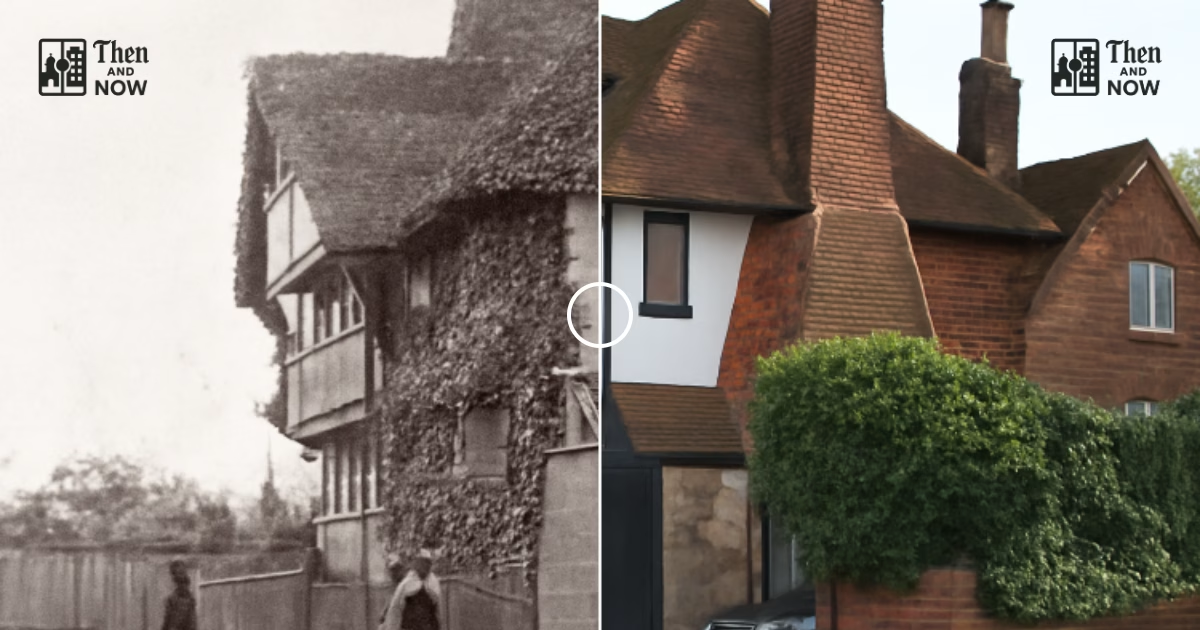
    Then and now comparison: Port Reeve’s House, Tonbridge 1905 – 2024View interactive comparison →

    The Port Reeve’s House in Tonbridge is an impressive example of 15th-century architecture, recognized as a Grade II* listed building. This timber-framed house served as the official residence for the town’s Port Reeve, reflecting its importance in local governance during its early years.

    The structure endured significant damage during World War II, but it has since been carefully restored, allowing it to retain its historical charm. The contrasts between the past and present illustrate not only the resilience of this landmark but also its enduring significance within the community.

    (more…)

  • Scotney Castle 1850 – 2024

    Scotney Castle 1850 – 2024

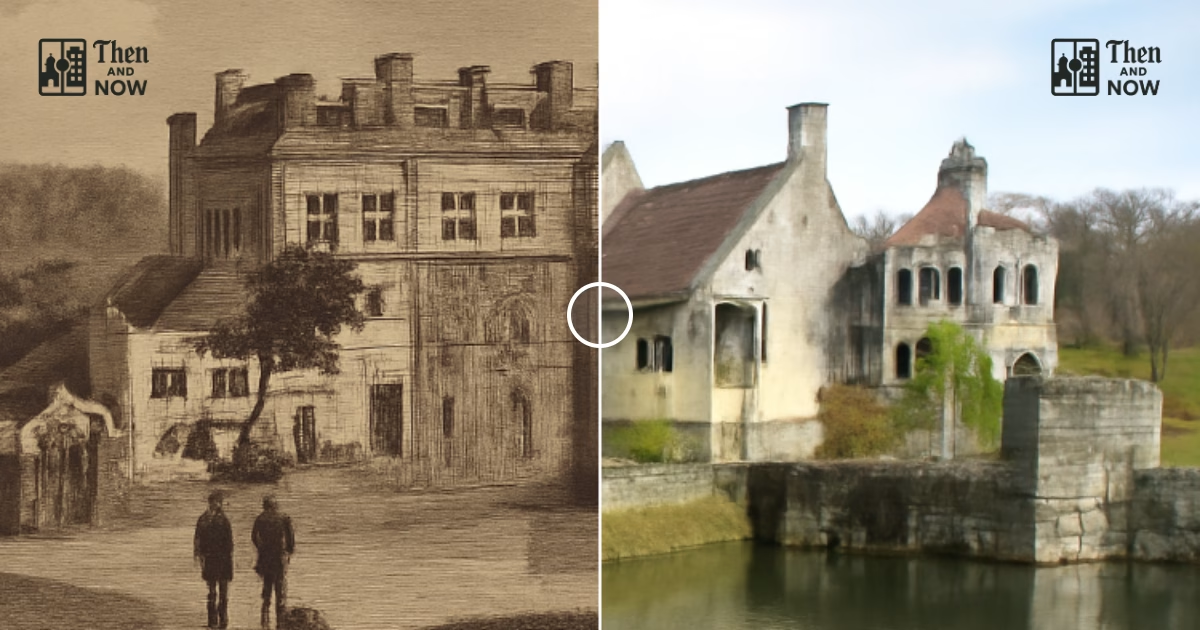
    Then and now comparison: Scotney Castle 1850 – 2024View interactive comparison →

    Scotney Castle, situated in the picturesque county of Kent, showcases a remarkable blend of historical architecture. The estate features a 14th-century moated castle that served as a fortified manor, constructed circa 1378. For over three centuries, it was owned by the Darrell family, who were notable for their role in providing refuge for Catholic priests during the turbulent Elizabethan era. Alongside the medieval structure, a Victorian country house was later added, enhancing the estate’s charm and historical significance. Today, Scotney Castle stands as a testament to its rich heritage, inviting visitors to explore its storied past amid the tranquil landscape.

    (more…)

  • The Oakham Market Cross 1810 – 2024

    The Oakham Market Cross 1810 – 2024

    Then and now comparison: The Oakham Market Cross 1810 – 2024View interactive comparison →

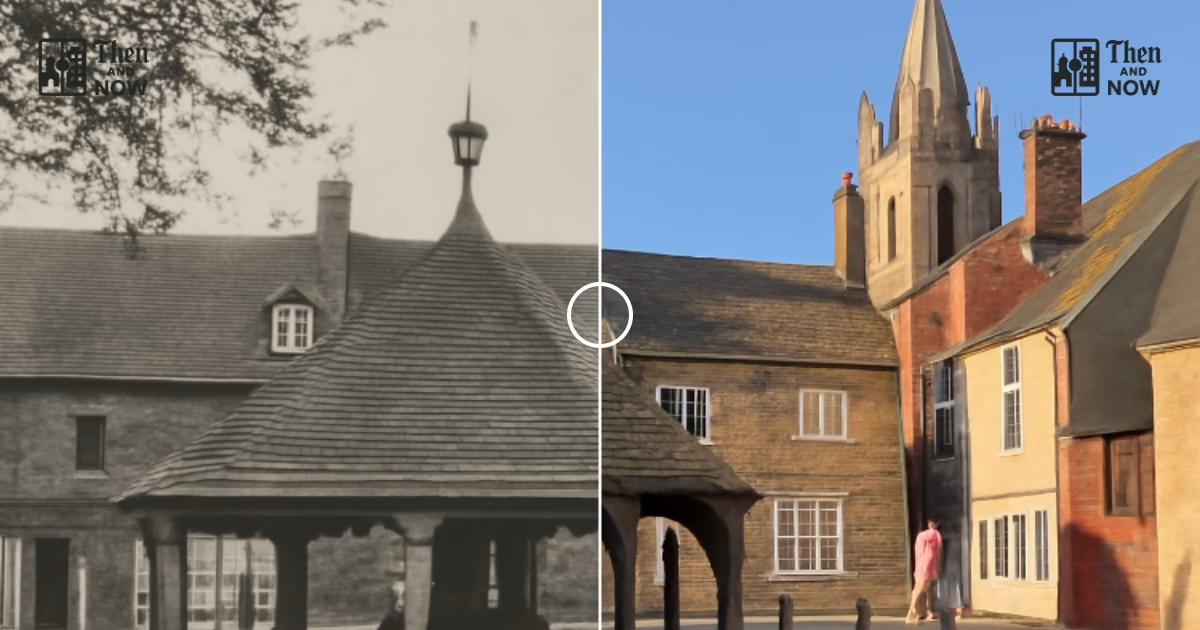
    The Oakham Market Cross stands as a notable 16th-century landmark in Rutland, showcasing traditional architecture from its era. Characterised by its distinct octagonal tiled roof, the structure is upheld by sturdy timber posts, reflecting the craftsmanship of the time. Initially designed to provide shelter for local dairy markets, it played a crucial role in the community’s trade and social interactions. Over the centuries, the Market Cross has remained a significant historical feature, symbolising the enduring legacy of local commerce and community life in Oakham. Its preservation allows contemporary visitors to appreciate the architectural and cultural heritage of the region.

    (more…)

  • Town Bridge, Bradford-on-Avon 1935 – 2024

    Town Bridge, Bradford-on-Avon 1935 – 2024

    Then and now comparison: Town Bridge, Bradford-on-Avon 1935 – 2024View interactive comparison →

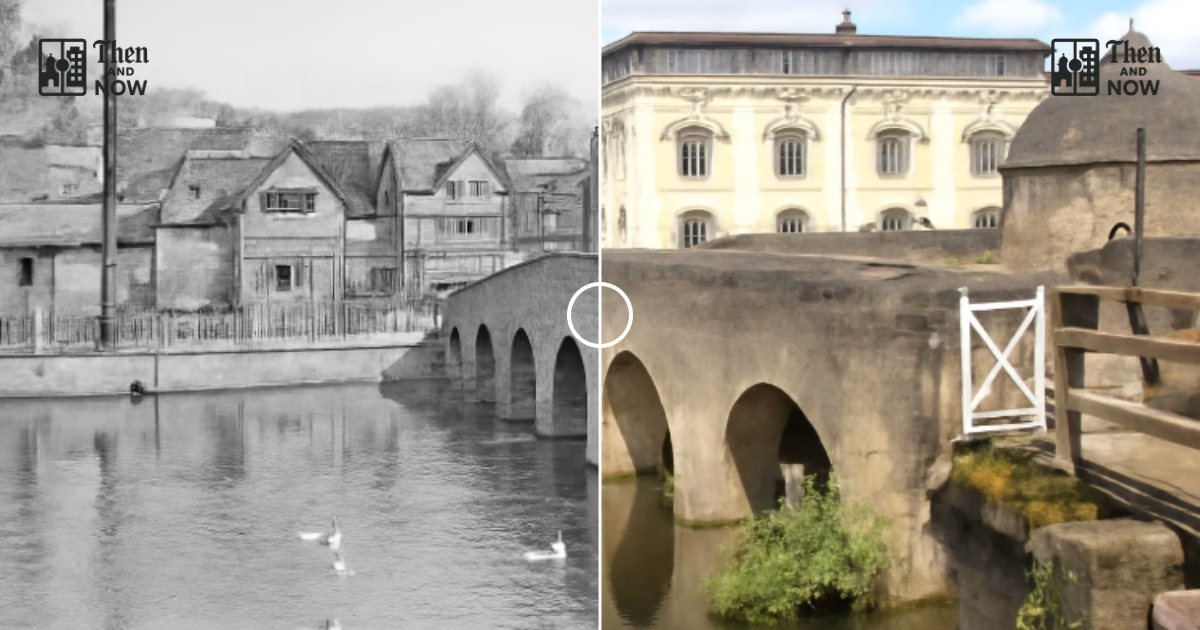
    The Town Bridge in Bradford-on-Avon, Wiltshire, boasts a history that traces back to the 13th century, originally serving as a packhorse crossing over the River Avon. This medieval structure highlights the importance of the river in trade and transportation during that era. In the 17th century, the bridge underwent significant modifications to support rising traffic demands. Notably, it was during this period that a small lock-up was incorporated, designed to detain inebriated individuals and minor offenders, reflecting the social challenges of the time. Today, the bridge stands as a testament to the town’s rich history, bridging past and present.

    (more…)

  • Bramshill House, Hampshire 1845 – 2024

    Bramshill House, Hampshire 1845 – 2024

    Then and now comparison: Bramshill House, Hampshire 1845 – 2024View interactive comparison →

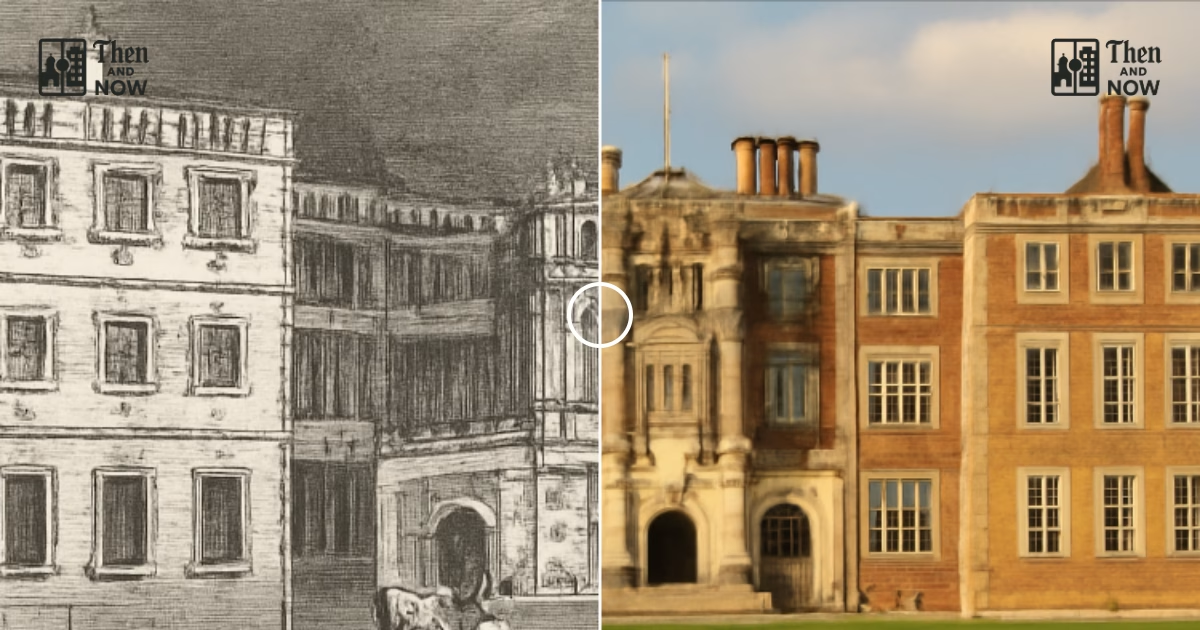
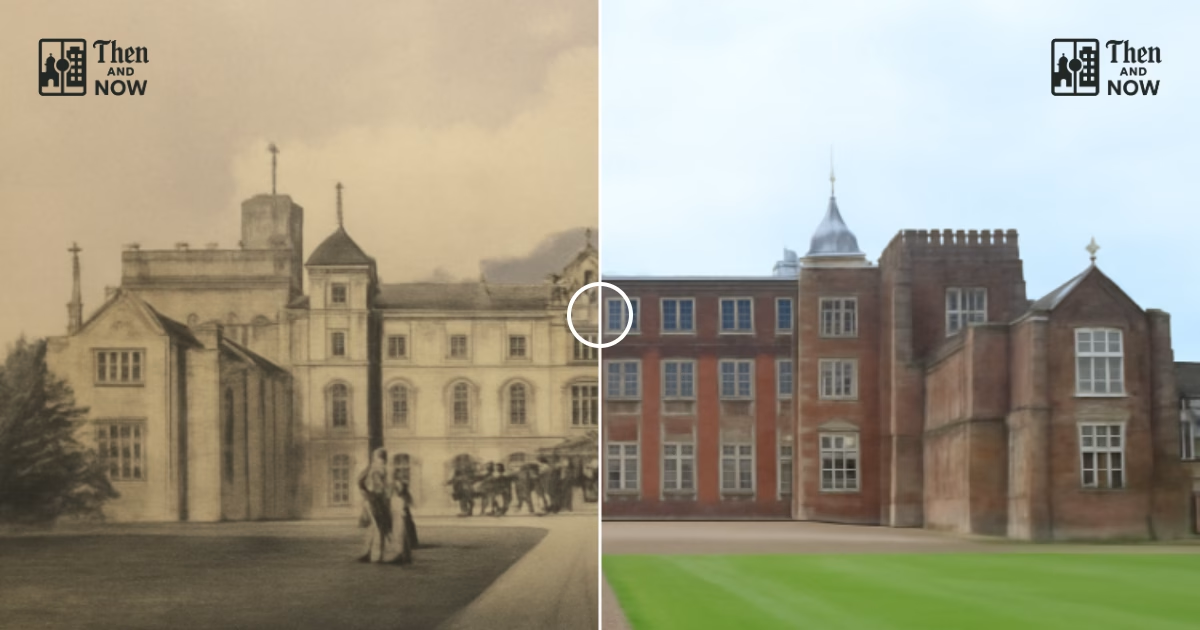
    Bramshill House, located in Hampshire, is an impressive example of Jacobean architecture, primarily constructed starting in 1605 for Edward, Lord Zouche. Set within a historic medieval deer park, the mansion reflects the grandeur of its era. In 1699, the estate transitioned to Sir John Cope, remaining in the Cope family for over two hundred years, during which it experienced various restoration efforts to maintain its distinctive character. The juxtaposition of past and present in this photo comparison highlights not only the architectural evolution of Bramshill House but also the enduring legacy of its historical significance within the region.

    (more…)

  • Burton Constable Hall 1850 – 2024

    Burton Constable Hall 1850 – 2024

    Then and now comparison: Burton Constable Hall 1850 – 2024View interactive comparison →

    Burton Constable Hall, an impressive example of Elizabethan architecture, is situated in East Yorkshire. Built in the 1560s, it was commissioned by Sir John Constable, who served as a Member of Parliament. The estate reflects the grandeur of its era, showcasing intricate design and elaborate craftsmanship typical of the period.

    Over the years, the hall has undergone various restorations, allowing it to maintain its historical significance while adapting to contemporary use. The comparison of past and present images highlights both the enduring beauty of the estate and the changes that have occurred in its surroundings, providing insight into the architectural and cultural evolution of this notable landmark.

    (more…)

  • Wollaton Hall 1821 – 2024

    Wollaton Hall 1821 – 2024

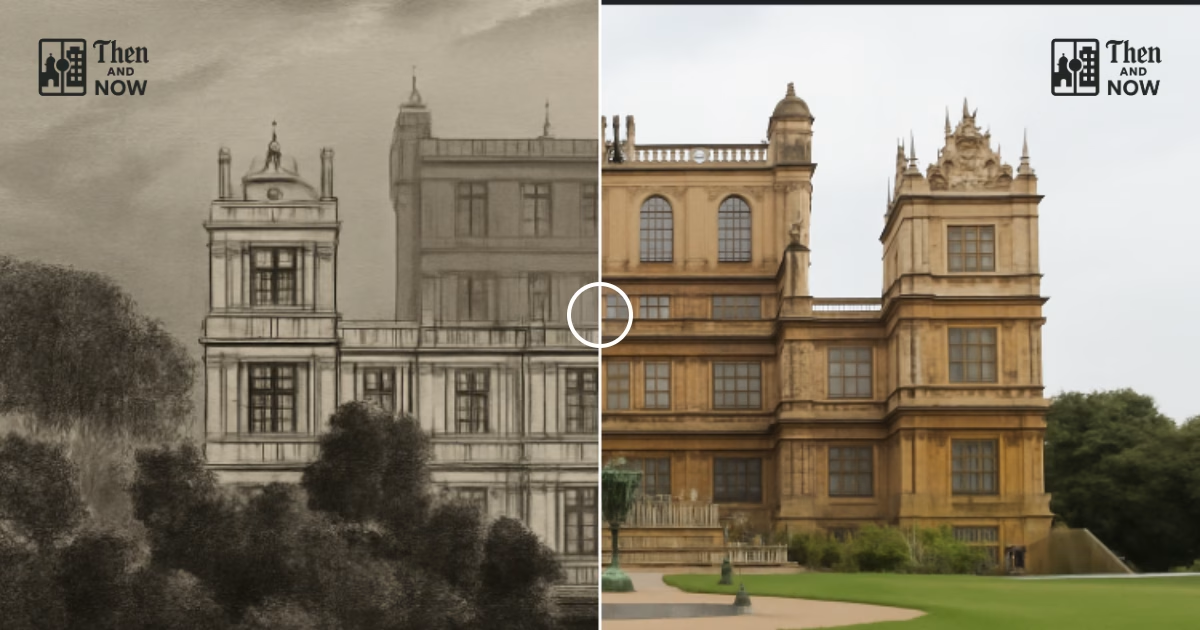
    Then and now comparison: Wollaton Hall 1821 – 2024View interactive comparison →

    Wollaton Hall stands as a remarkable testament to Elizabethan architecture, showcasing the grandeur of its era. Commissioned by Sir Francis Willoughby, a prominent coal magnate, the hall was completed in 1588 and reflects the opulence of the period with its intricate design and expansive grounds. Originally constructed as a country house, it has since been repurposed to serve various functions, including housing the Nottingham Natural History Museum. The estate remains a significant landmark in Nottingham, drawing visitors who appreciate its historical and architectural significance. The juxtaposition of past and present highlights the enduring legacy of this impressive structure.

    (more…)

  • The Hoops Inn 1900 – 2025

    The Hoops Inn 1900 – 2025

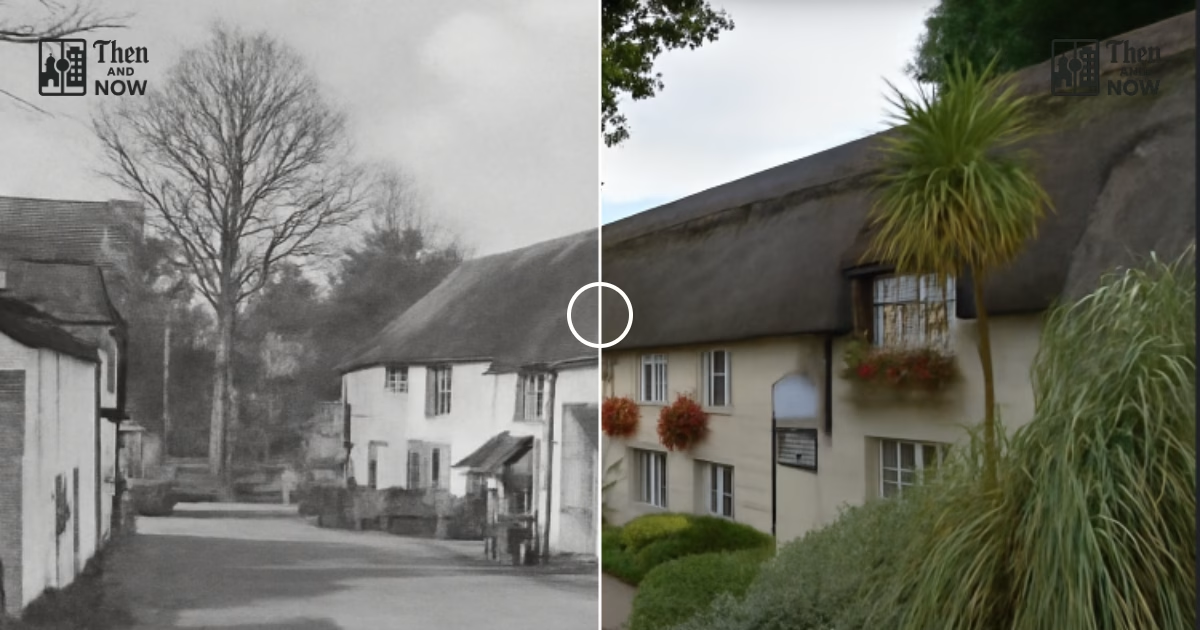
    Then and now comparison: The Hoops Inn 1900 – 2025View interactive comparison →

    The Hoops Inn, located near Clovelly, boasts a rich history dating back to the 13th century. This historic coaching inn has long been a gathering place for travellers, with tales of smugglers and notable figures from the Elizabethan era, including the famed seafarer Sir Francis Drake, linked to its past. The building retains its charming stone and cob construction, reflecting the architectural style of its time. The inn serves as a testament to the region’s maritime heritage and the stories of those who passed through its doors, providing a glimpse into the life of earlier centuries.

    (more…)