Author: Jon Hall

  • Sandringham House, Norfolk 1906 – 2025

    Sandringham House, Norfolk 1906 – 2025

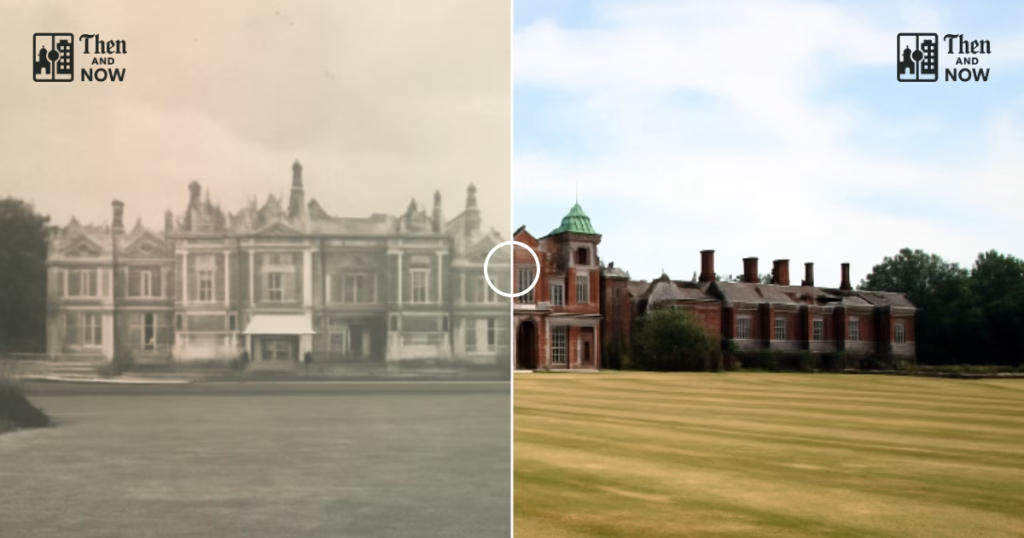
    Then and now comparison: Sandringham House, Norfolk 1906 – 2025View interactive comparison →

    Sandringham House, located in Norfolk, has served as a cherished private retreat for the British royal family for more than 160 years. Originally acquired by Queen Victoria in 1862 for her eldest son, the future King Edward VII, the estate underwent significant renovations, culminating in its striking Jacobean-style architecture completed by 1892. This residence is steeped in royal history, notably being the final resting place for both King George V and King George VI. The juxtaposition of past and present highlights not only the architectural evolution of the estate but also its enduring role in the monarchy’s heritage.

    (more…)

  • The Iron Bridge, Shropshire 1837 – 2025

    The Iron Bridge, Shropshire 1837 – 2025

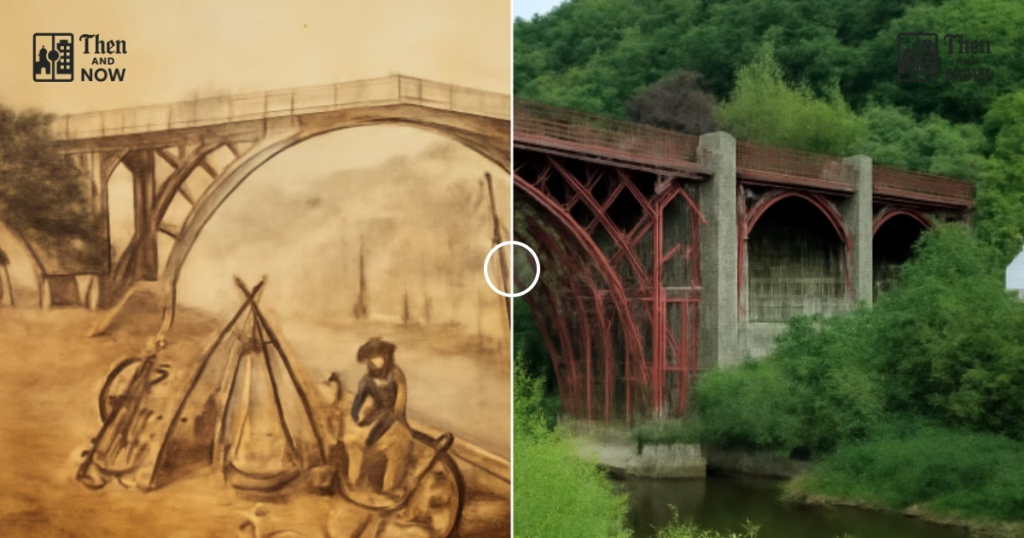
    Then and now comparison: The Iron Bridge, Shropshire 1837 – 2025View interactive comparison →

    The Iron Bridge in Shropshire stands as a landmark of industrial innovation and architectural achievement. Completed in 1779 and opened in 1781, it holds the distinction of being the first major bridge entirely constructed from cast iron. This remarkable structure spans the picturesque Ironbridge Gorge, effectively connecting the towns of Broseley and Madeley. Its design not only exemplifies the engineering prowess of the late 18th century but also reflects the burgeoning industrial landscape of the time. Today, the bridge remains a vital symbol of heritage, attracting visitors who appreciate its historical significance and aesthetic beauty.

    (more…)

  • Littlecote House, Wiltshire 1900 – 2024

    Littlecote House, Wiltshire 1900 – 2024

    Then and now comparison: Littlecote House, Wiltshire 1900 – 2024View interactive comparison →

    Littlecote House, located in Wiltshire, showcases a rich architectural heritage that spans several centuries, with origins tracing back to the 13th century. The estate underwent significant Tudor enhancements, particularly in 1592, resulting in a striking combination of medieval and later design elements. Over the years, this prestigious manor has welcomed a number of royal visitors, including prominent figures such as Henry VIII and Elizabeth I, marking its importance in British history. The estate’s evolving structure reflects the changing styles and influences of its time, making it a fascinating subject for historical comparison.

    (more…)

  • Elvaston Castle 1831 – 2024

    Elvaston Castle 1831 – 2024

    Then and now comparison: Elvaston Castle 1831 – 2024View interactive comparison →

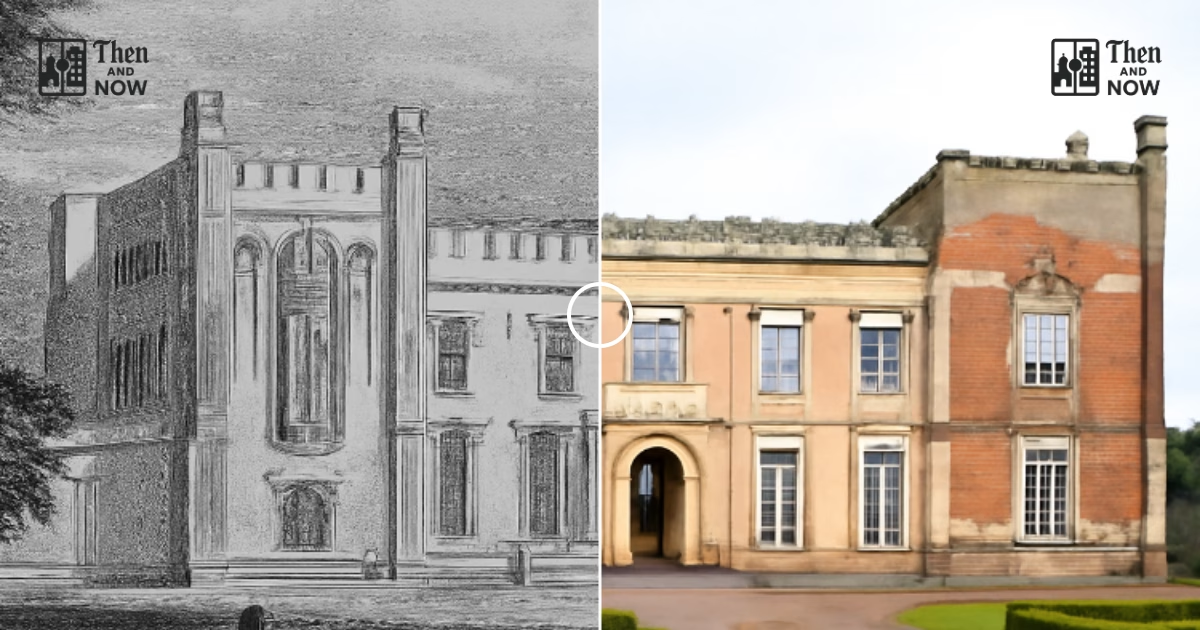
    Elvaston Castle, a remarkable example of Gothic Revival architecture, was originally established as a manor house in 1633. The building underwent significant transformation under the direction of architect James Wyatt between 1815 and 1829, commissioned by the Stanhope family. This grand estate, set within picturesque grounds, faced a period of neglect following World War II.

    In 1970, Elvaston Castle began a new chapter as one of the earliest country parks in the UK, inviting the public to explore its expansive landscapes. However, the once-magnificent house now stands largely unoccupied, a testament to its former glory and a reminder of the ongoing need for preservation efforts.

    (more…)

  • Sutton Scarsdale Hall, Derbyshire 1827 – 2024

    Sutton Scarsdale Hall, Derbyshire 1827 – 2024

    Then and now comparison: Sutton Scarsdale Hall, Derbyshire 1827 – 2024View interactive comparison →

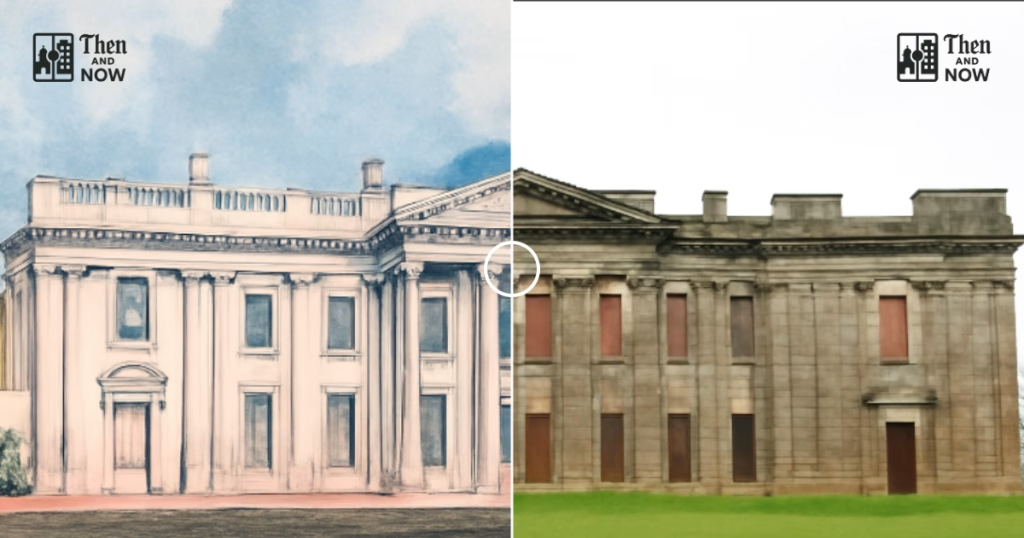
    Sutton Scarsdale Hall, located in Derbyshire, stands as a haunting remnant of an ambitious Georgian baroque mansion constructed in the early 18th century. Designed to rival the grandeur of Chatsworth House, the project ultimately led to the financial downfall of the Scarsdale family due to its exorbitant costs.

    By 1919, the building faced severe neglect and was stripped of many valuable elements, with three of its original rooms relocated to the Philadelphia Museum of Art. Fortunately, in 1946, author Sir Osbert Sitwell intervened just in time to prevent its complete demolition. Today, the site is maintained by English Heritage, offering a glimpse into its once-majestic past.

    (more…)

  • Carrick Castle 1890 – 2025

    Carrick Castle 1890 – 2025

    Then and now comparison: Carrick Castle 1890 – 2025View interactive comparison →

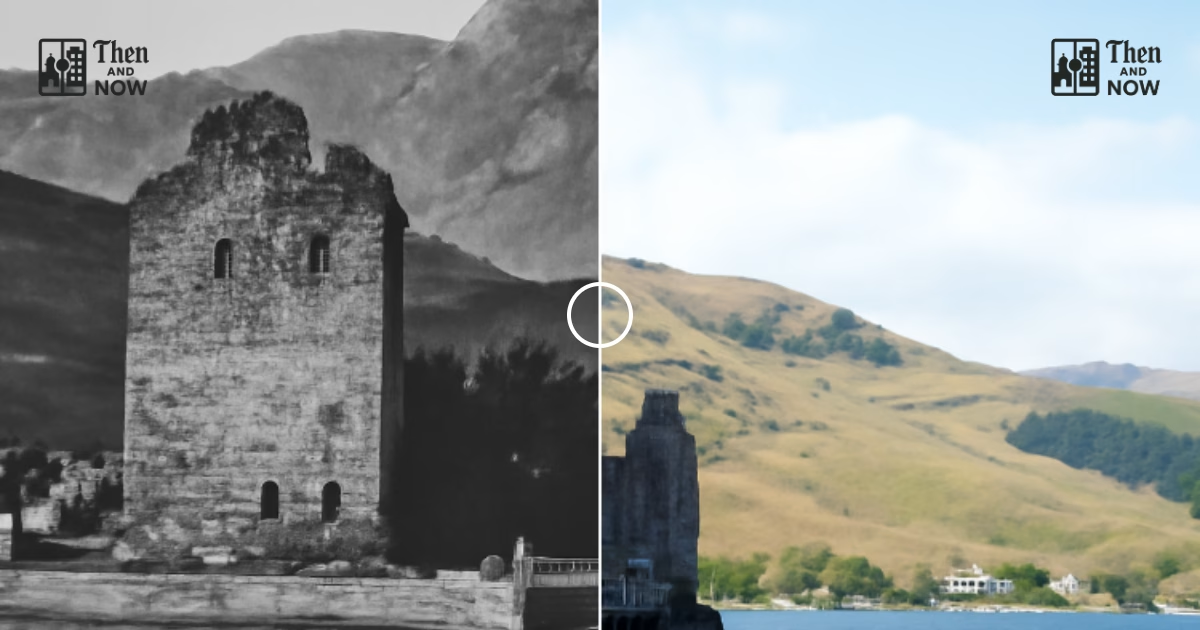
    Carrick Castle is a 15th-century stone tower house located on the picturesque shores of Loch Goil in Argyll, Scotland. Originally constructed as a stronghold, it served as a key maritime outpost for the Clan Campbell, overseeing the western Highland sealochs. Its historical significance is further underscored by its connection to Mary, Queen of Scots, who is known to have visited the castle in 1563. The site not only reflects the architectural styles of its era but also embodies the turbulent history of the Scottish Highlands, making it an important landmark in the region. Today, the castle stands as a testament to Scotland’s rich heritage and its strategic maritime past.

    (more…)

  • Gallox Bridge 1890 – 2024

    Gallox Bridge 1890 – 2024

    Then and now comparison: Gallox Bridge 1890 – 2024View interactive comparison →

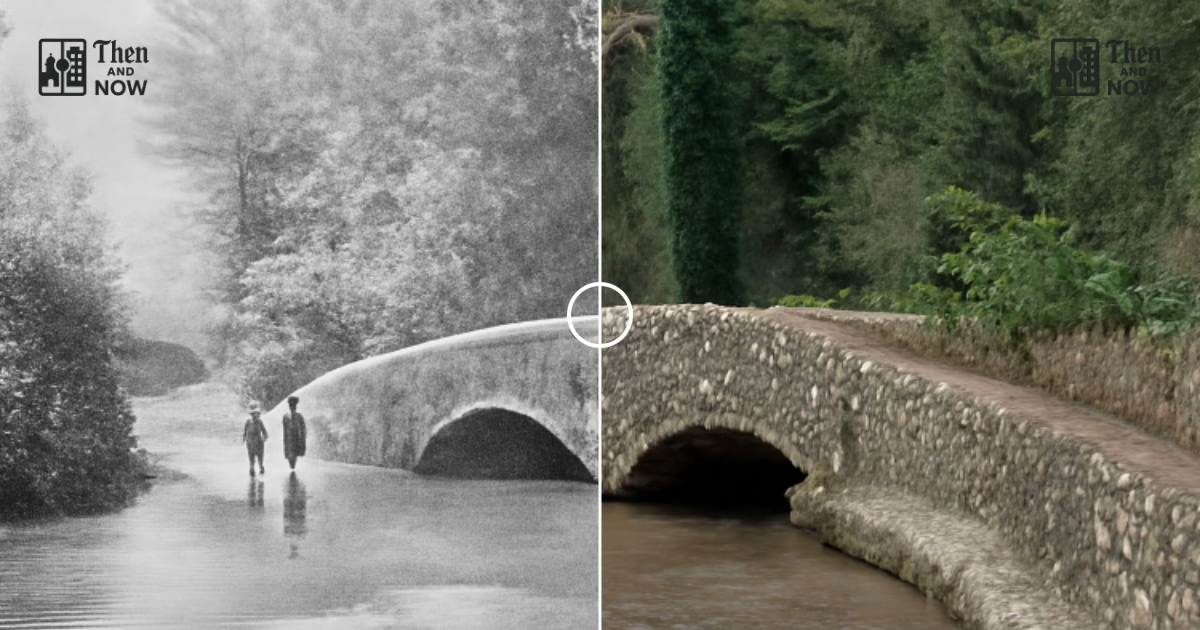
    Gallox Bridge stands as a notable example of 15th-century engineering, located in the picturesque village of Dunster, Somerset. This medieval packhorse bridge is distinguished by its narrow deck and low, recessed parapets, which were ingeniously designed to accommodate the passage of large wool packs typical of the era. The bridge reflects the historical significance of trade routes during the Middle Ages, facilitating the movement of goods across the landscape. Today, Gallox Bridge remains well-preserved, offering a glimpse into the architectural practices of its time while continuing to serve as a charming feature of the local scenery.

    (more…)

  • Ordsall Hall 1875 – 2025

    Ordsall Hall 1875 – 2025

    Then and now comparison: Ordsall Hall 1875 – 2025View interactive comparison →

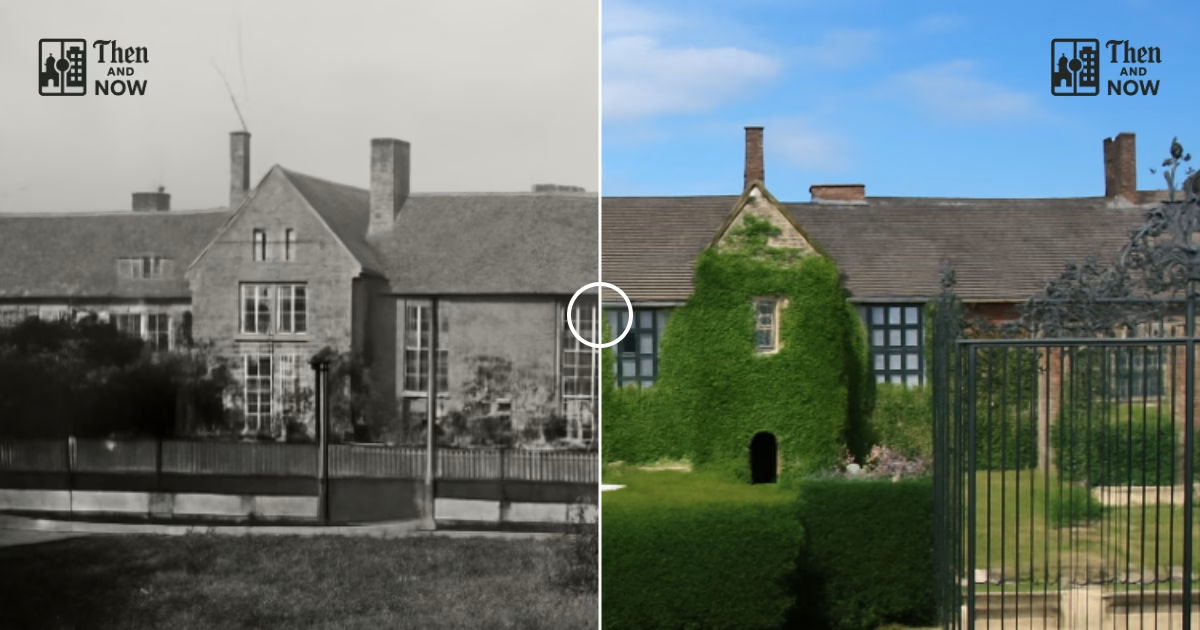
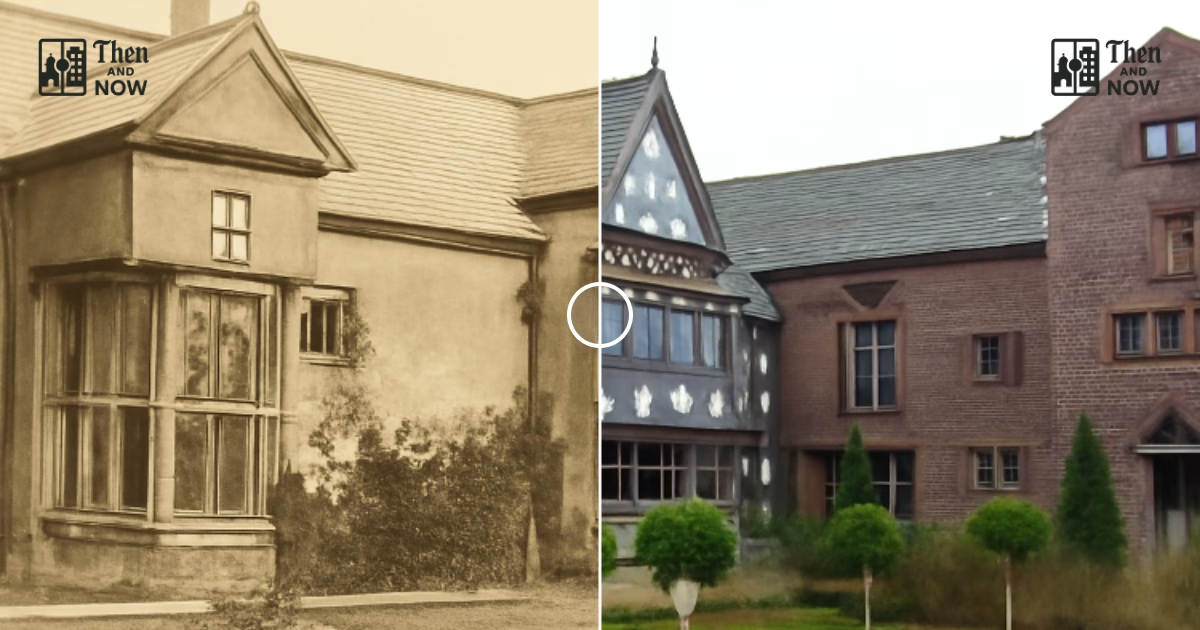
    Ordsall Hall, located in Salford, has a rich history that dates back to its first recorded mention in 1177. This Tudor manor served as the home of the Radclyffe family for more than three centuries, making it an important landmark in the region. The building showcases remarkable architecture, particularly the Great Hall, which was reconstructed in 1512, while elements of its timber-framed design can be traced back to the 1360s. The earlier photograph captures a period of decline for the hall, but significant restoration efforts have since revitalised this historic site, allowing its heritage to be appreciated once more.

    (more…)

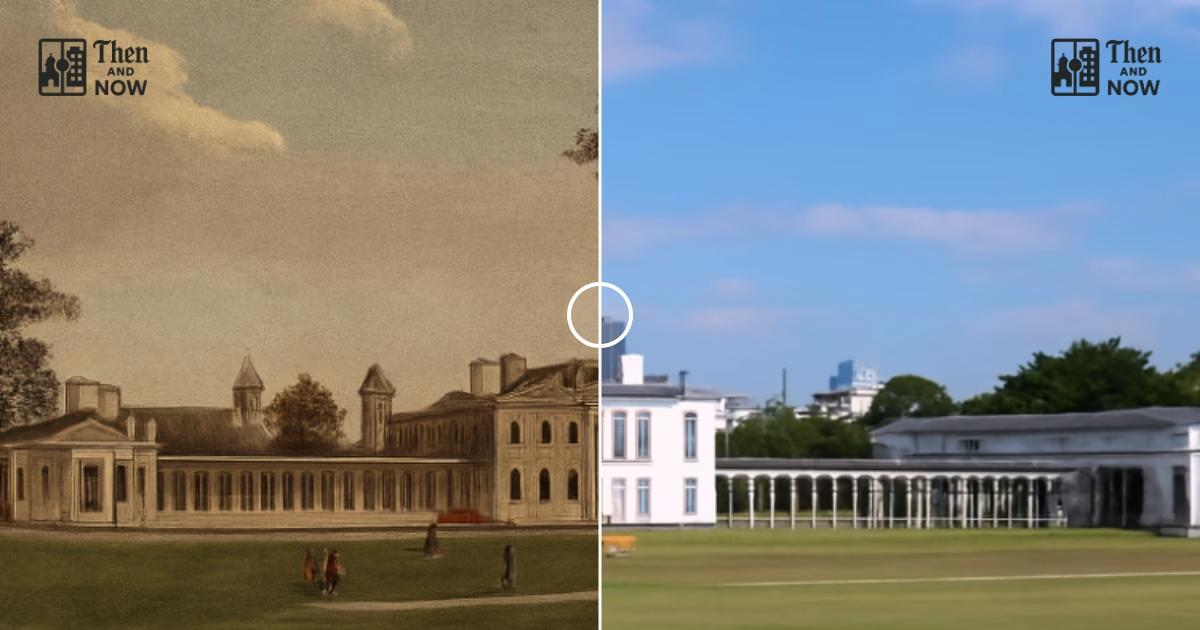
  • Queen’s House, Greenwich 1814 – 2024

    Queen’s House, Greenwich 1814 – 2024

    Then and now comparison: Queen’s House, Greenwich 1814 – 2024View interactive comparison →

    The Queen’s House in Greenwich, London, stands as a significant example of early classical architecture in England. Commissioned by Anne of Denmark, the building’s construction spanned from 1616 to 1638, with its completion attributed to Queen Henrietta Maria, wife of Charles I. This iconic structure showcases the evolution of design and aesthetics in British architecture, reflecting the transition from Tudor styles to the more refined classical influences of the early 17th century.

    In the comparison, we see the dramatic changes that have occurred since the 1814 engraving, highlighting both the preservation efforts and the ongoing role of the Queen’s House as a cultural landmark in modern times.

    (more…)

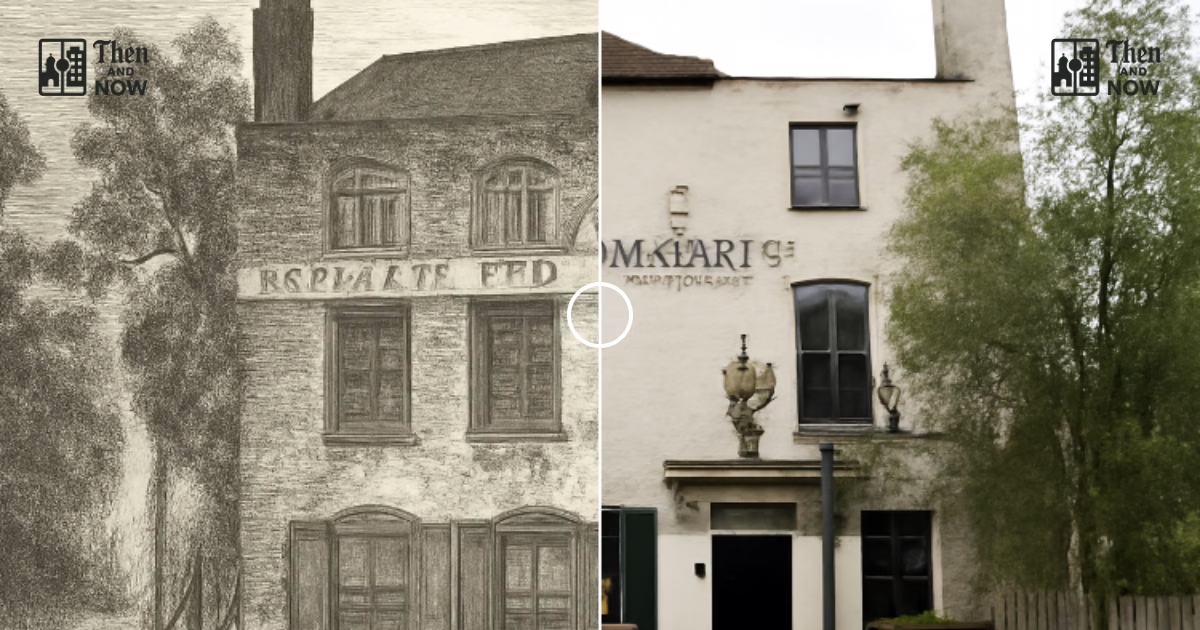
  • Spaniards Inn, London 1837 – 2025

    Spaniards Inn, London 1837 – 2025

    Then and now comparison: Spaniards Inn, London 1837 – 2025View interactive comparison →

    The Spaniards Inn, established circa 1585, originally served as a tollgate marking the Finchley boundary. Its intriguing name may relate to a Spanish ambassador associated with King James I or a tale involving two duelling brothers. Over the centuries, this historic pub has maintained much of its exterior charm, as evidenced by a comparison with an 1837 engraving. Renowned for its rich history, the inn is often cited as one of London’s haunted venues, with connections to the notorious highwayman Dick Turpin, whose father is said to have managed the establishment. This enduring landmark continues to attract visitors drawn by its storied past and atmospheric setting.

    (more…)