Author: Jon Hall

  • Ossington Coffee Palace 1881 – 2024

    Ossington Coffee Palace 1881 – 2024

    Then and now comparison: Ossington Coffee Palace 1881 – 2024View interactive comparison →

    The Ossington Coffee Palace, established in Newark-on-Trent in 1882, served as a Victorian temperance hotel designed to offer a respectable alternative for farmers and travellers. This Grade II listed building was intended to discourage patrons from frequenting local pubs by providing a sober environment, which included a café, assembly rooms, billiard tables, and stabling for horses.

    Over the years, the structure has witnessed various changes, reflecting the evolving social landscape. Its original purpose as a haven for sober leisure is a testament to the temperance movement of the time, highlighting the cultural shift towards more family-friendly social venues in the Victorian era. The comparison of past and present images illustrates how this historical establishment has adapted while retaining its architectural significance.
    (more…)

  • Penicuik House, Scotland 1900s – 2024

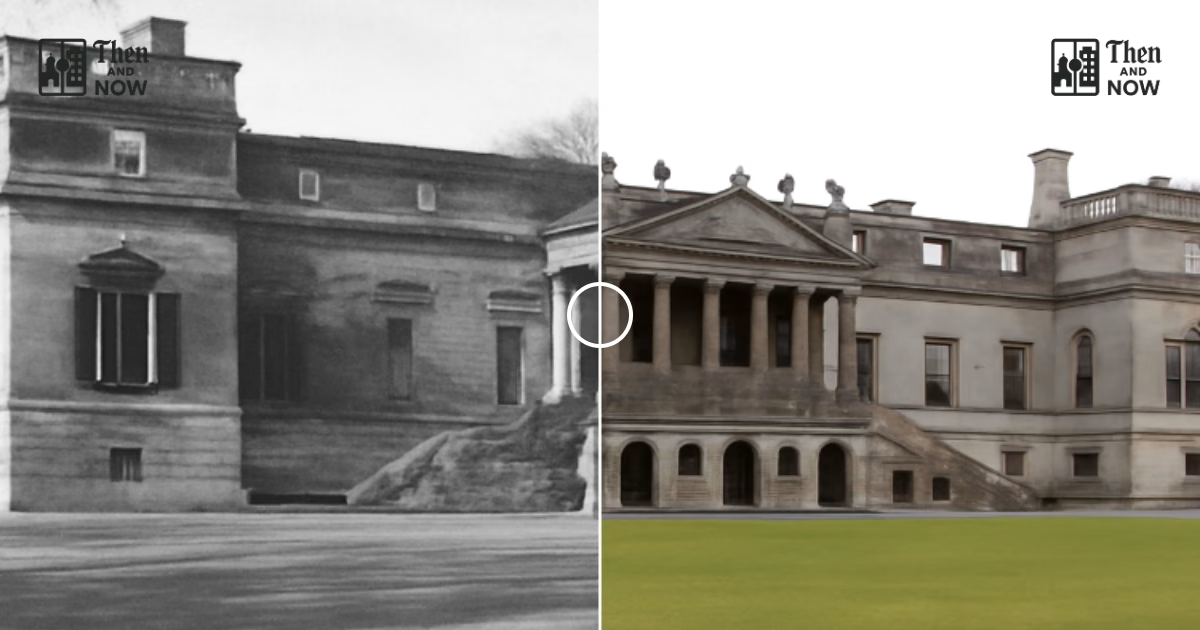
    Penicuik House, Scotland 1900s – 2024

    Then and now comparison: Penicuik House, Scotland 1900s – 2024View interactive comparison →

    Penicuik House, located in Scotland, was constructed in the Palladian style between 1761 and 1769, showcasing the grandeur of 18th-century architecture. Its elegant design made it a notable example of its era. However, the mansion suffered a catastrophic fire in 1899 that ravaged its interior. In the aftermath, the decision was made to preserve the remaining stone structure, allowing it to stand as a poignant reminder of its former glory. Today, the site remains a romantic ruin, attracting visitors who appreciate its historical significance and picturesque setting amidst the surrounding landscape.

    (more…)

  • The Chequers Inn, Doddington 1930s – 2024

    The Chequers Inn, Doddington 1930s – 2024

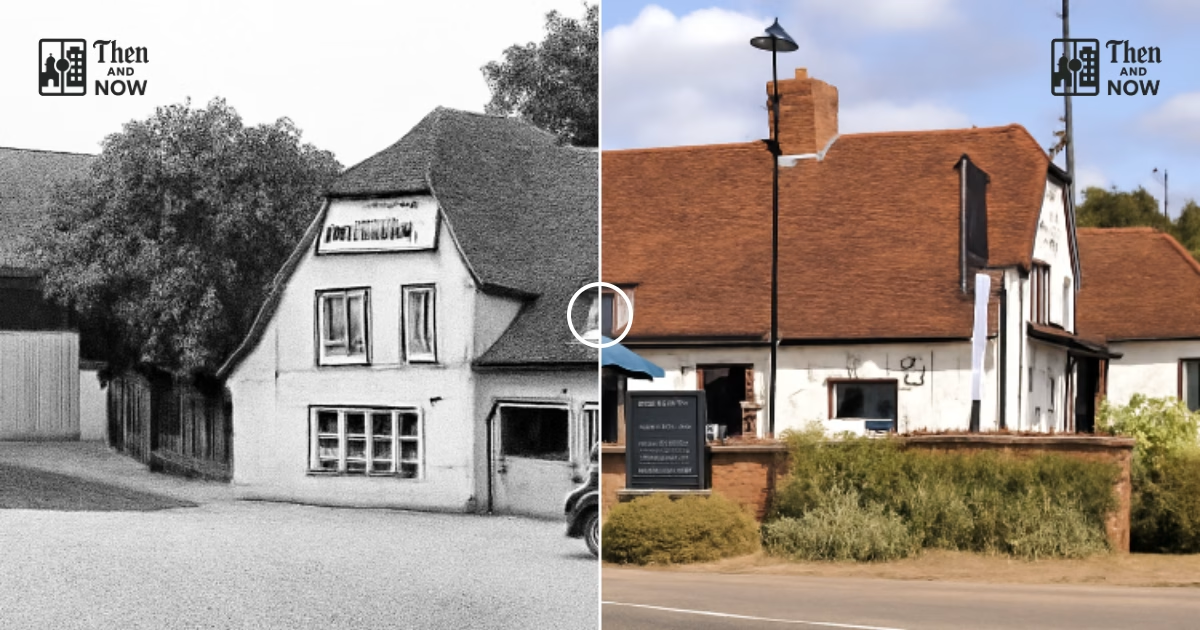
    Then and now comparison: The Chequers Inn, Doddington 1930s – 2024View interactive comparison →

    The Chequers Inn in Doddington, a Grade II listed building, boasts a rich history that dates back to the 14th century. This historic inn has long served as a gathering place for locals and visitors alike, showcasing traditional architecture that reflects its medieval origins.

    In comparing past and present images, we can observe the enduring charm of the inn, with its characteristic features remaining largely intact over the decades. This continuity highlights the significance of The Chequers Inn within the community and its role in preserving local heritage. The inn stands as a testament to the area’s historical narrative, bridging the gap between centuries of change while maintaining its welcoming atmosphere.

    (more…)

  • Crossraguel Abbey, South Ayrshire 1838 – 2024

    Crossraguel Abbey, South Ayrshire 1838 – 2024

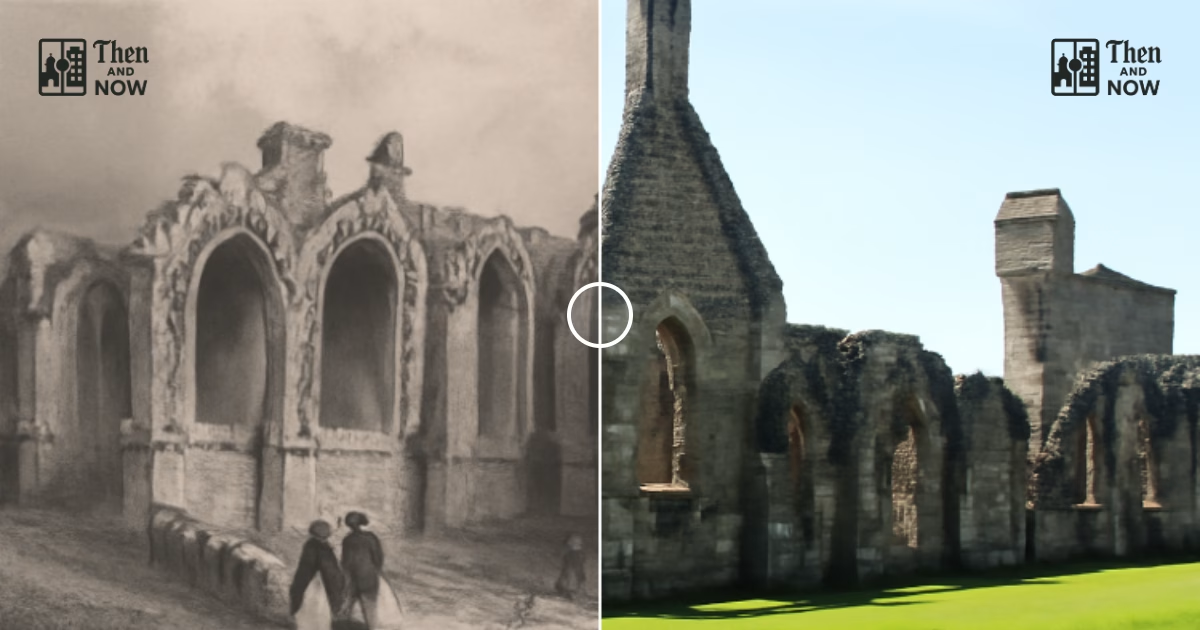
    Then and now comparison: Crossraguel Abbey, South Ayrshire 1838 – 2024View interactive comparison →

    Crossraguel Abbey, established circa 1244, served as a Cluniac monastery in South Ayrshire. This religious site withstood significant upheaval during the Scottish Reformation, remaining functional until the late 17th century.

    In the present day, the abbey’s remains are celebrated for their architectural significance, featuring impressive structures such as the tower and cloisters. These elements contribute to its reputation as one of Scotland’s most notable medieval monastic ruins. Visitors today can explore the remnants of this once-thriving spiritual community, reflecting on its historical importance and the enduring legacy of its monastic past.

    (more…)

  • Ermine Street 1900 – 2025

    Ermine Street 1900 – 2025

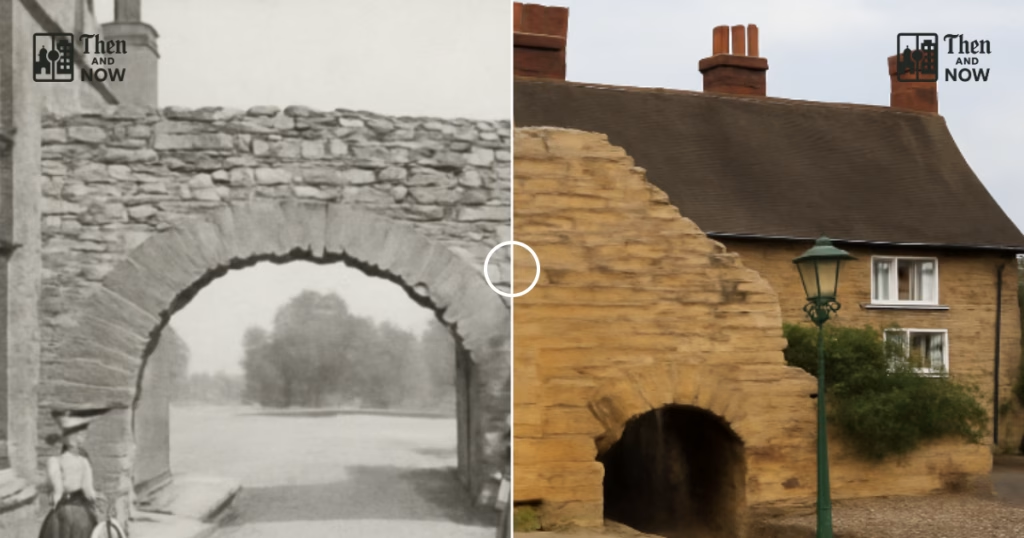
    Then and now comparison: Ermine Street 1900 – 2025View interactive comparison →

    Newport Arch in Lincoln stands as a remarkable testament to Roman engineering, having been built in the 3rd century AD. This archway, located along the historic Ermine Street, is notable for being the oldest Roman arch still in use for vehicular traffic in the UK. Constructed from local limestone without the use of mortar, it features a central carriageway alongside an eastern pedestrian entrance. Over the centuries, Newport Arch has not only survived the passage of time but has also continued to serve as a significant entry point to the city, showcasing the enduring legacy of Roman architecture in Britain.

    (more…)

  • Almonry Museum 1930 – 2024

    Almonry Museum 1930 – 2024

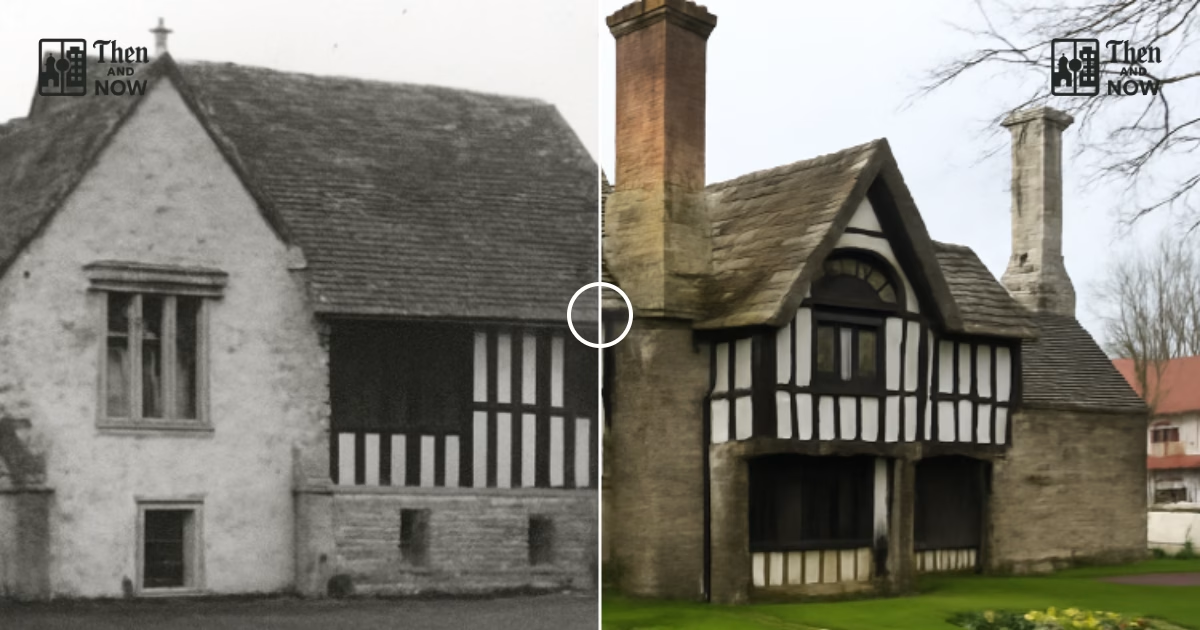
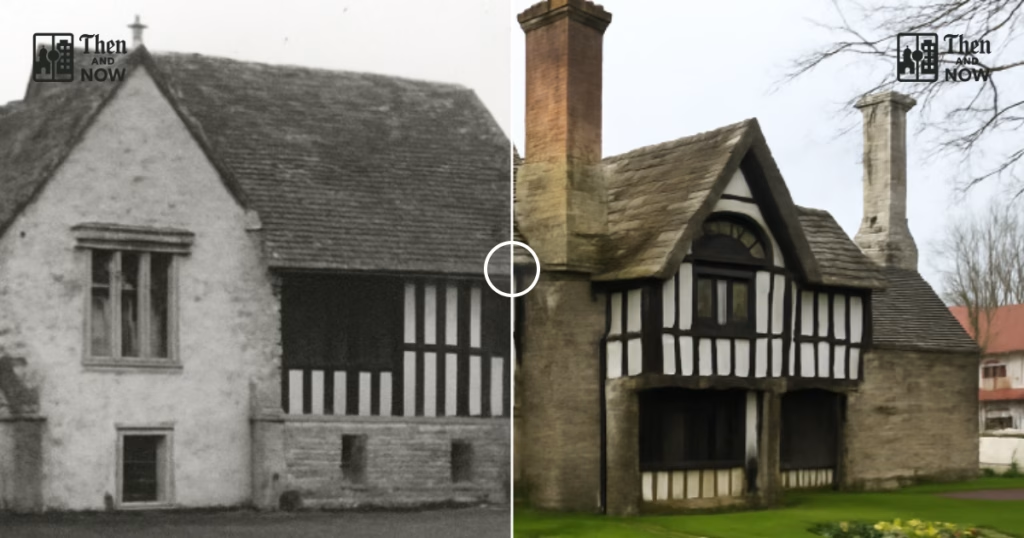
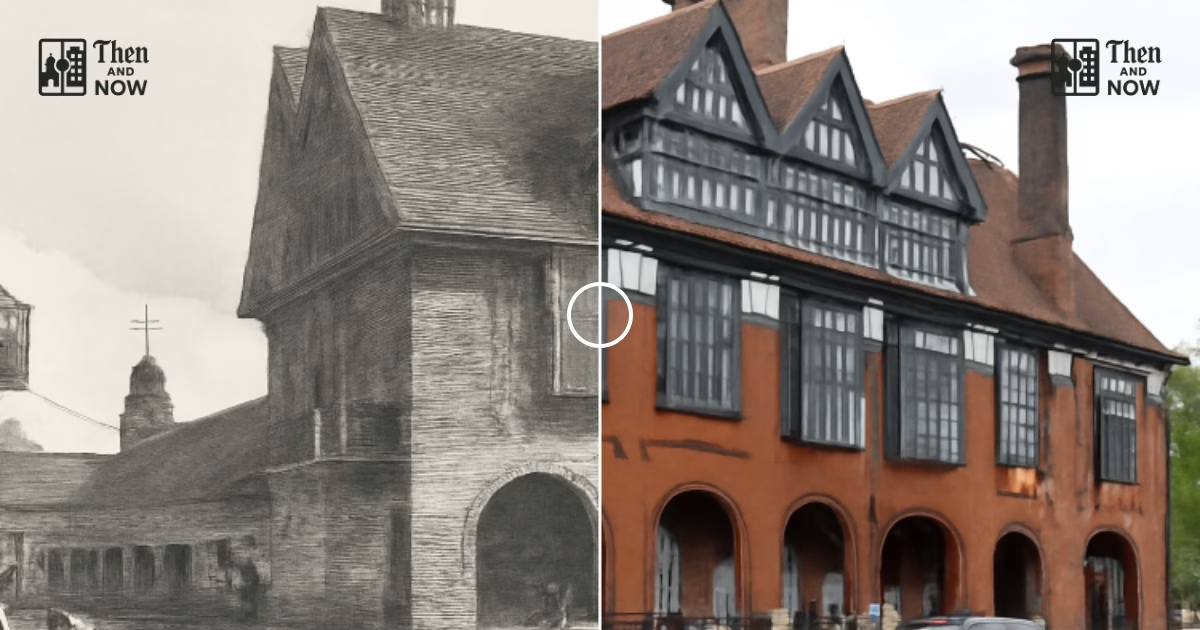
    Then and now comparison: Almonry Museum 1930 – 2024View interactive comparison →

    The Almonry Museum, situated in Evesham, Worcestershire, stands as a Grade I listed structure with origins tracing back to the 14th century. This historic site served as the residence for the almoner of Evesham Abbey, a role held by a Benedictine monk responsible for providing essential aid to those in need.

    Throughout the centuries, the building has witnessed significant changes in its surroundings and purpose. Today, it operates as a museum, showcasing the rich heritage of the area while preserving its medieval architecture. The contrast between its past function and its current role highlights the evolution of community support and historical preservation in Evesham.

    (more…)

  • The Cock Inn, Headley 1900 – 2023

    The Cock Inn, Headley 1900 – 2023

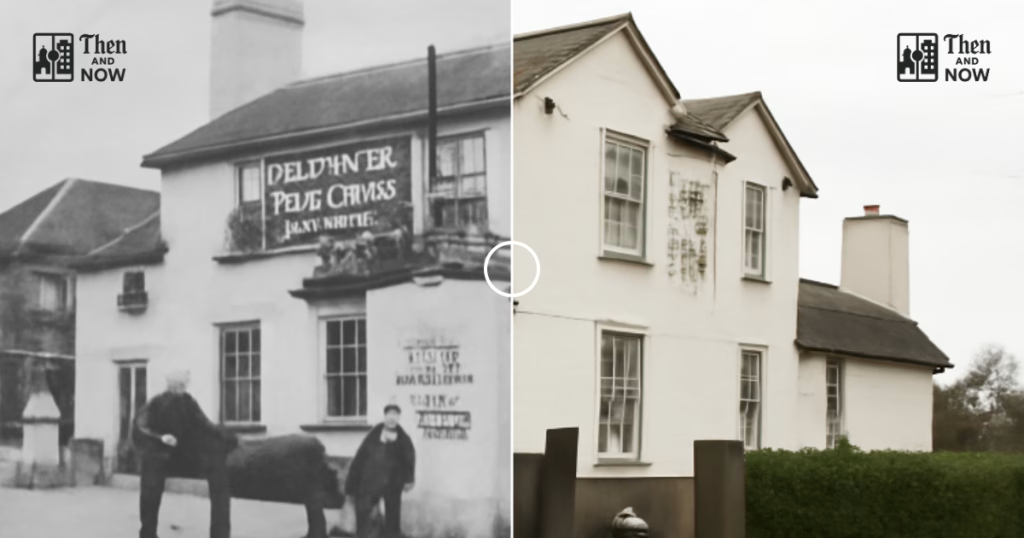
    Then and now comparison: The Cock Inn, Headley 1900 – 2023View interactive comparison →

    The Cock Inn, located in Headley, Surrey, is a historic building that dates back to the early 18th century, specifically between 1700 and 1750. Originally serving as accommodation for stonemasons involved in the construction of the nearby village church, this establishment reflects the architectural style and community significance of its era.

    Today, The Cock Inn remains remarkably well-preserved, showcasing its historical charm while continuing to serve the local community. Its enduring presence is a testament to the rich heritage of Headley and the importance of such establishments in the social fabric of rural England.

    (more…)

  • Windsor Castle 1900s – 2025

    Windsor Castle 1900s – 2025

    Then and now comparison: Windsor Castle 1900s – 2025View interactive comparison →

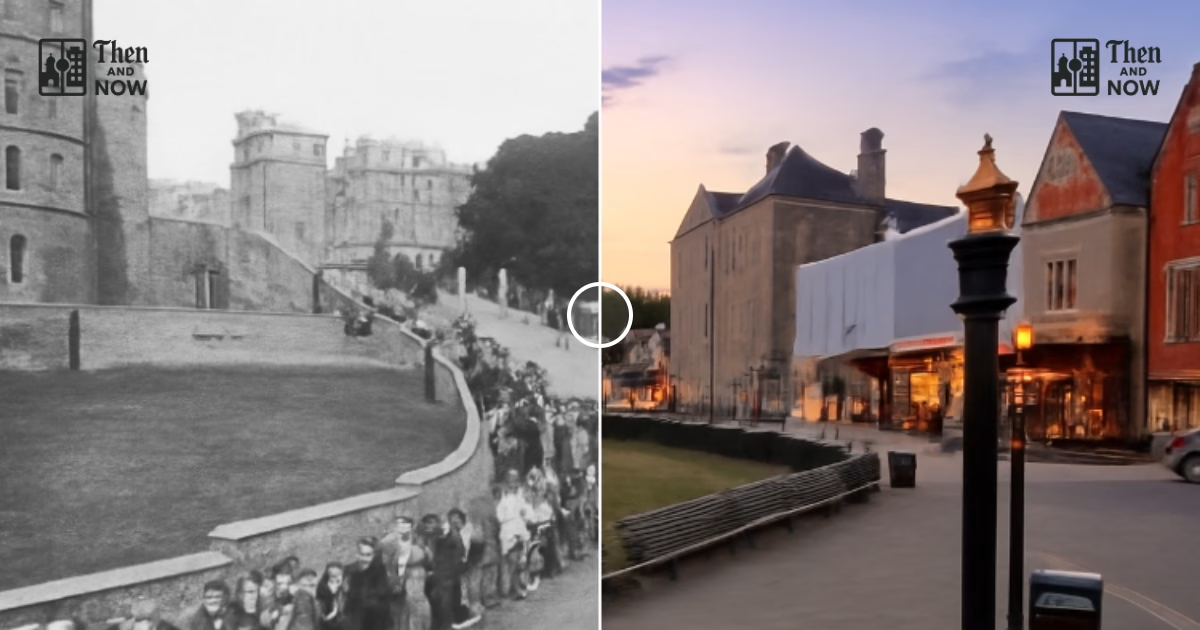
    Windsor Castle, a historic royal residence, has stood as a symbol of British heritage for centuries. In the early 20th century, Castle Hill attracted large crowds eager to witness the departure of King Edward VII in a horse-drawn carriage. This moment was captured in a photograph that became widely circulated as a postcard, with at least one example dated to 1905. While the exact destination of the King’s journey remains unknown, it is speculated that he was en route to a local railway station to greet a distinguished guest. Today, the majestic walls of Windsor Castle continue to dominate the landscape, serving as a testament to its enduring legacy.

    (more…)

  • Coventry Cathedral 1943 – 1820

    Coventry Cathedral 1943 – 1820

    Then and now comparison: Coventry Cathedral 1943 – 1820View interactive comparison →

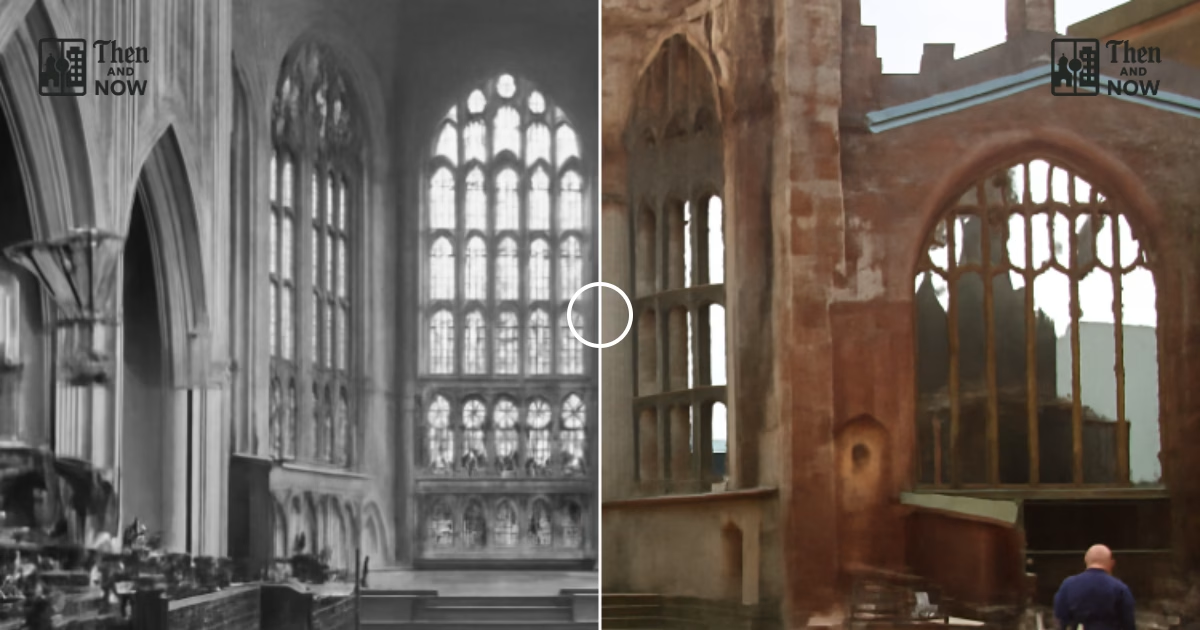
    Coventry Cathedral, an exemplary piece of medieval architecture, was renowned for its intricate stone carvings and vibrant stained glass windows. The cathedral’s impressive 90-metre spire dominated the skyline, making it a significant landmark in the region. Tragically, much of this historical structure was lost during World War II, resulting in widespread destruction that altered the fabric of the city. The remnants of the original cathedral serve as a poignant reminder of its former grandeur while highlighting the resilience of the community in rebuilding and preserving its heritage. The contrast between the past and present illustrates the impact of conflict on cultural landmarks.

    (more…)

  • Staple Inn 1887 – 2024

    Staple Inn 1887 – 2024

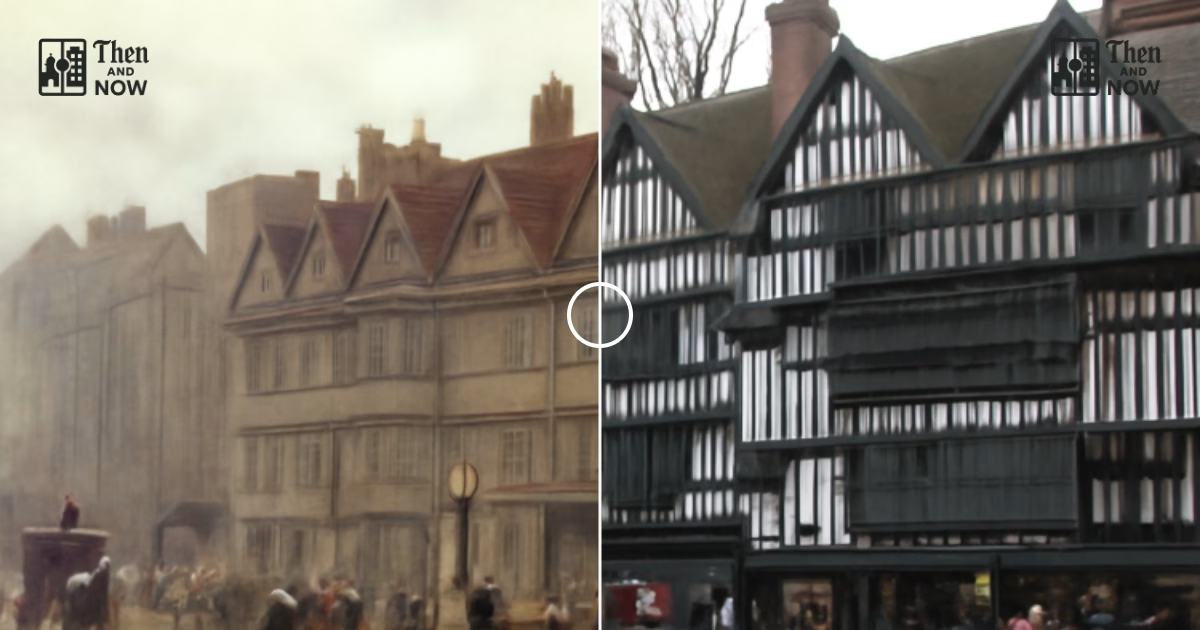
    Then and now comparison: Staple Inn 1887 – 2024View interactive comparison →

    Staple Inn, dating back to 1585, stands as a rare example of Tudor architecture amidst the modern landscape of London. This historic building has survived the passage of time, showcasing its distinctive timber-framed design that reflects the craftsmanship of its era.

    In Philip Norman’s 1884 watercolour painting, the inn is depicted with a charming ambiance, capturing the essence of its surroundings during the late 19th century. Today, while the building continues to serve as a reminder of London’s rich architectural heritage, it is enveloped by contemporary developments that highlight the city’s evolution over the centuries. The contrast between past and present offers a glimpse into the enduring significance of Staple Inn in the heart of London.

    (more…)