Author: Jon Hall

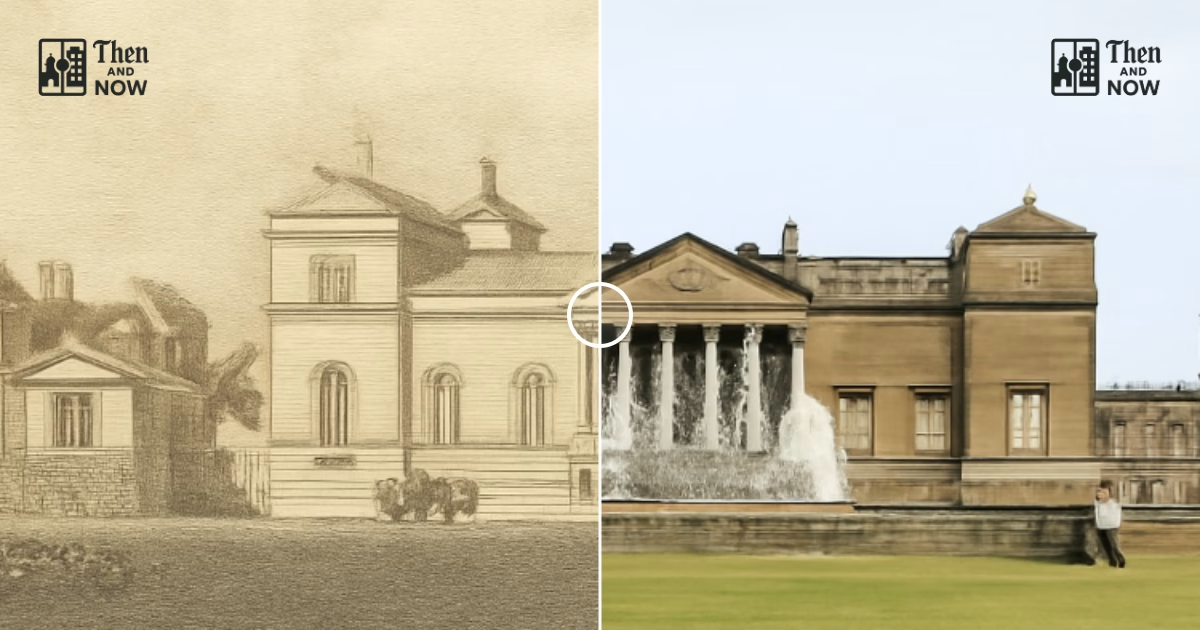
  • Holkham Hall, Norfolk 1818 – 2025

    Holkham Hall, Norfolk 1818 – 2025

    Then and now comparison: Holkham Hall, Norfolk 1818 – 2025View interactive comparison →

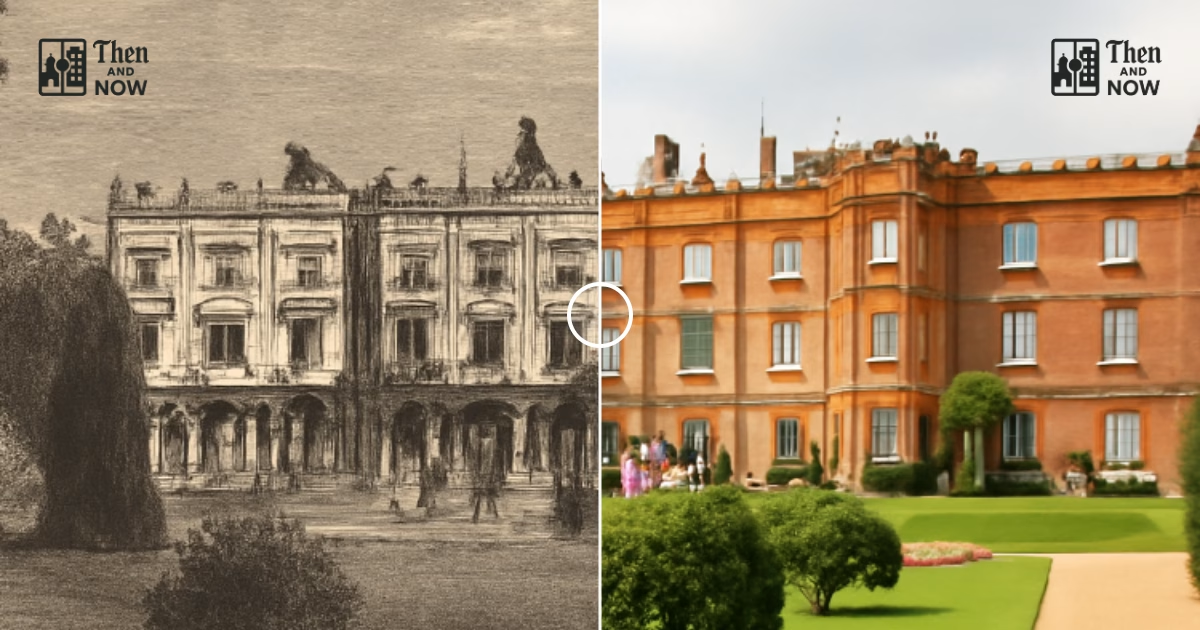
    Holkham Hall, located in Norfolk, stands as a stunning example of 18th-century Palladian architecture, commissioned by the 1st Earl of Leicester and completed in 1764. The estate has preserved much of its original grandeur, remaining largely unchanged since its depiction in an 1818 engraving. This remarkable residence is one of the few remaining country estates from a period when many similar properties were lost throughout the 20th century. Its enduring presence reflects the historical significance of such architectural masterpieces in England’s cultural heritage and the challenges faced by country estates over the years.
    (more…)

  • Muncaster Castle 1904 – 2024

    Muncaster Castle 1904 – 2024

    Then and now comparison: Muncaster Castle 1904 – 2024View interactive comparison →

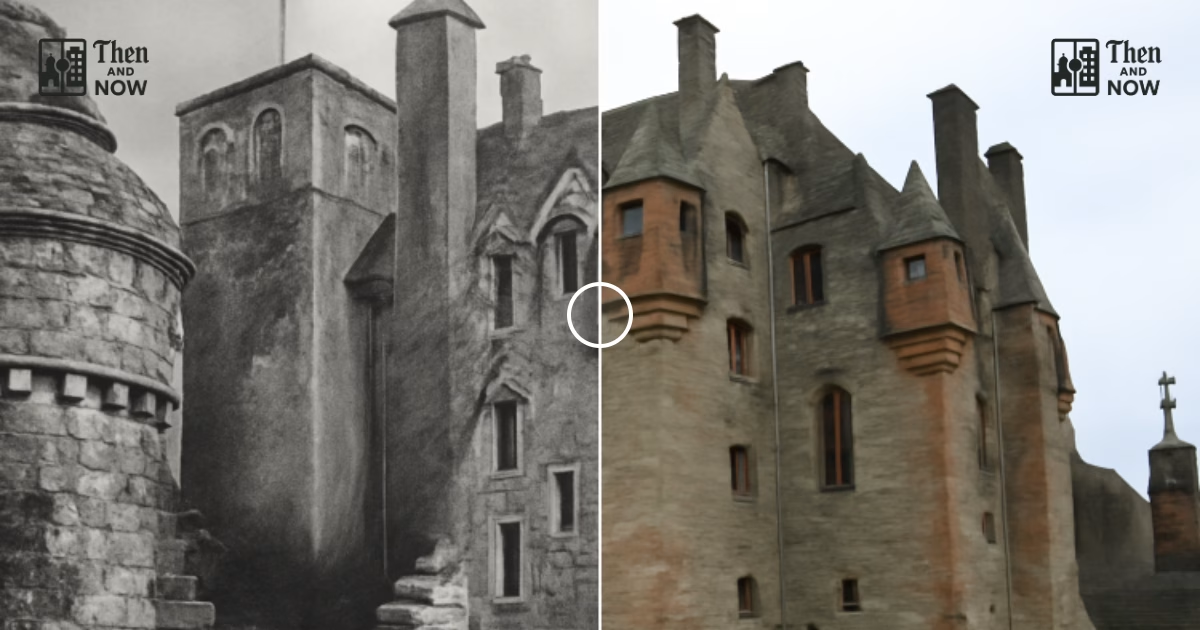
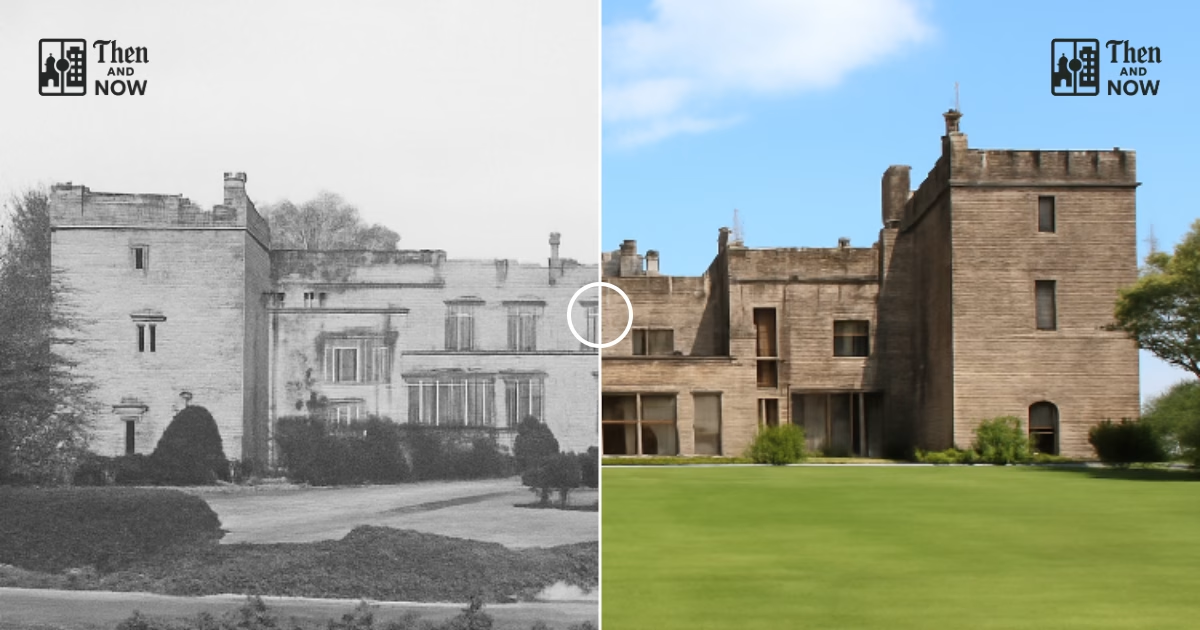
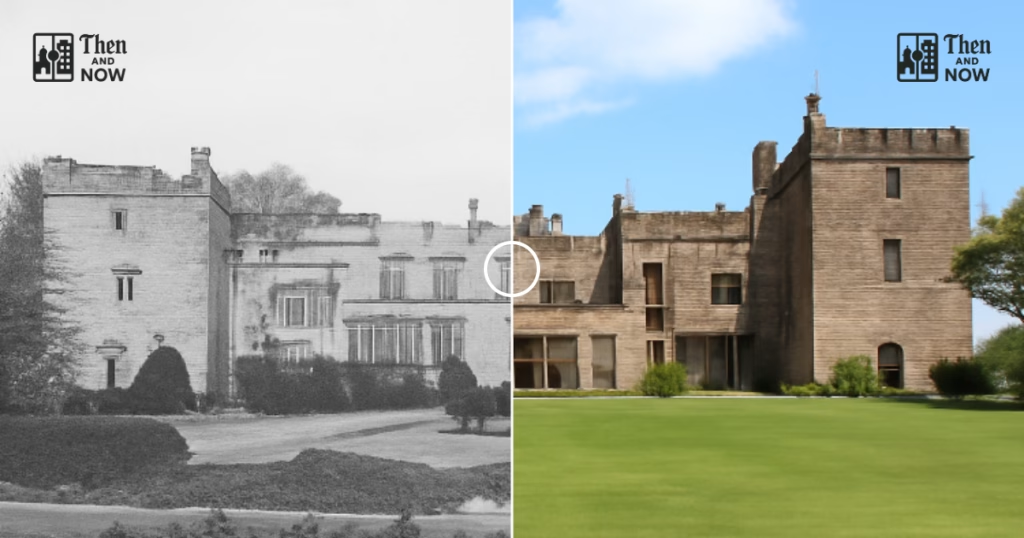
    Muncaster Castle, located in the scenic county of Cumbria, boasts a rich history that spans more than eight centuries. This impressive stronghold has been under the stewardship of the Pennington family since its construction, serving as a testament to their enduring legacy in the region. Renowned for its captivating architecture and extensive grounds, the castle is also famous for its ghostly lore, attracting visitors intrigued by its reputed hauntings. The juxtaposition of historical and contemporary views offers a fascinating glimpse into the castle’s evolution while preserving its storied past.

    (more…)

  • Knaresborough Castle 2026 – 2026

    Knaresborough Castle 2026 – 2026

    Then and now comparison: Knaresborough Castle 2026 – 2026View interactive comparison →

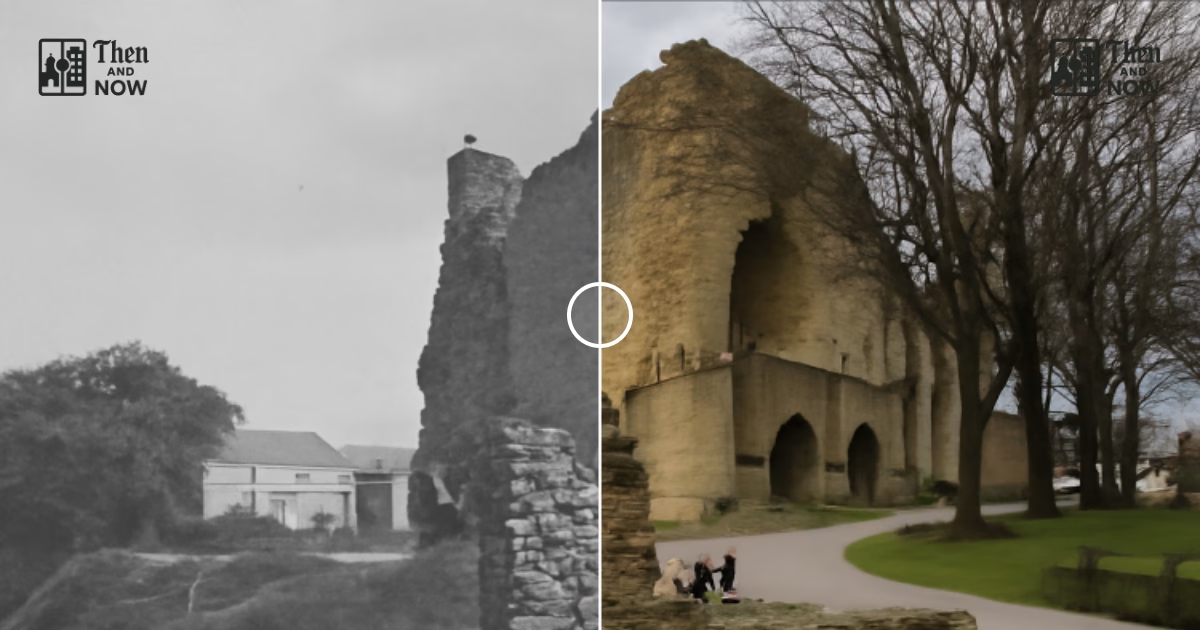
    Knaresborough Castle, first built around 1100 by a Norman baron, commands a strategic position above the River Nidd. It evolved into a significant royal stronghold during the reigns of King John and Edward II, the latter enhancing its defenses with the construction of the King’s Tower keep. The castle served not only as a military fortification but also as a royal residence, notably providing refuge to the assassins of Thomas Becket in 1170. Its military significance waned following the English Civil War, after which it was deliberately damaged in 1648, resulting in the fascinating ruins we see today. The juxtaposition of past and present invites reflection on the enduring legacy of this historic site.

    (more…)

  • Hughenden Manor 1877 – 2025

    Hughenden Manor 1877 – 2025

    Then and now comparison: Hughenden Manor 1877 – 2025View interactive comparison →

    Hughenden Manor, a notable country residence, was transformed into its current Gothic Revival style after being purchased by Benjamin Disraeli in 1848. The Prime Minister, alongside his wife Mary Anne, undertook significant renovations to the existing Georgian building, creating a home that would serve both personal and political purposes. Disraeli utilized this estate as a retreat and a base for his political activities until his death in 1881. The juxtaposition of an 1877 engraving with a contemporary photograph highlights the enduring presence of this historic location, showcasing both its architectural evolution and its significance in British political history.

    (more…)

  • Jedburgh High Street 1905 – 2024

    Jedburgh High Street 1905 – 2024

    Then and now comparison: Jedburgh High Street 1905 – 2024View interactive comparison →

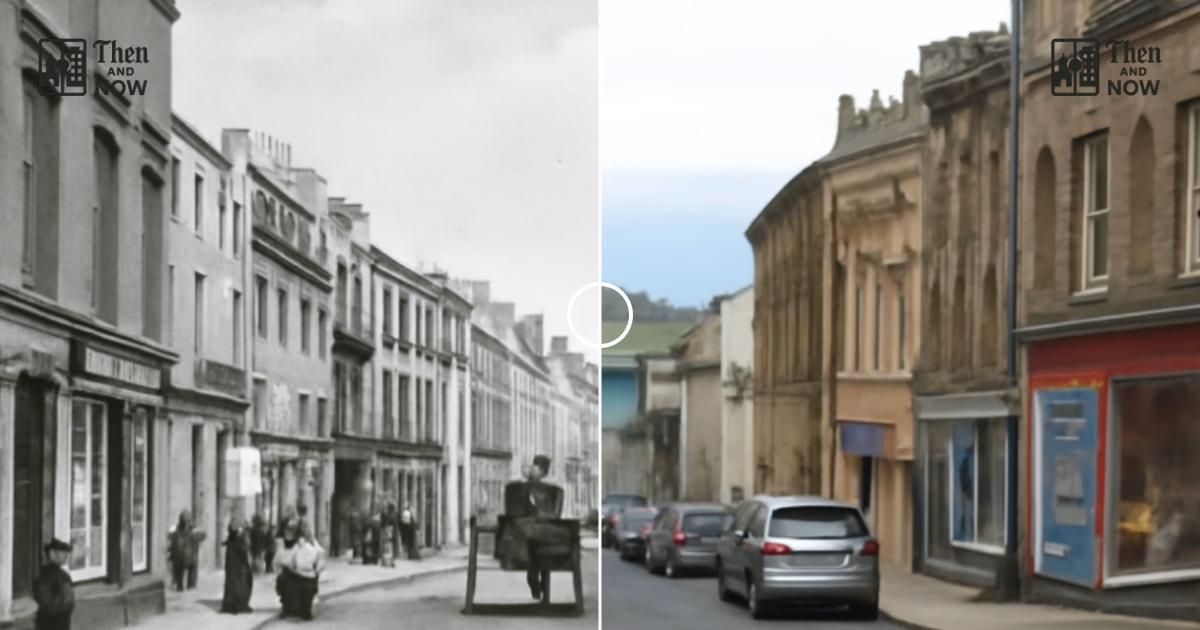
    Jedburgh High Street, a significant thoroughfare in the Scottish Borders, showcases a blend of historical architecture that reflects its long-standing heritage. Established around the 12th century, the town grew around the abbey founded by King David I, which remains a key landmark. Over the centuries, Jedburgh has endured numerous conflicts, particularly during the Wars of Independence, which have shaped its character and resilience.

    In the comparison of the street from 1905 to the present day, one can observe both the preservation of its historic buildings and the subtle changes that modernity has introduced. This juxtaposition highlights the town’s commitment to maintaining its rich architectural legacy while adapting to contemporary needs.

    (more…)

  • Newark Castle 1862 – 2025

    Newark Castle 1862 – 2025

    Then and now comparison: Newark Castle 1862 – 2025View interactive comparison →

    Newark Castle, a striking example of 15th-century architecture, was first constructed in 1478 as a fortified tower house by George Maxwell. Its design reflects the needs of the time for both security and habitation. By the late 16th century, significant renovations led by Patrick Maxwell transformed the castle into a refined Renaissance residence, showcasing a harmonious blend of medieval fortifications and Jacobean aesthetics.

    The comparison of the 1862 engraving with the current state of Newark Castle highlights its enduring presence. While the castle has faced the ravages of time, its historical significance and architectural features remain a testament to its rich past.

    (more…)

  • Craigmillar Castle 1870 – 2025

    Craigmillar Castle 1870 – 2025

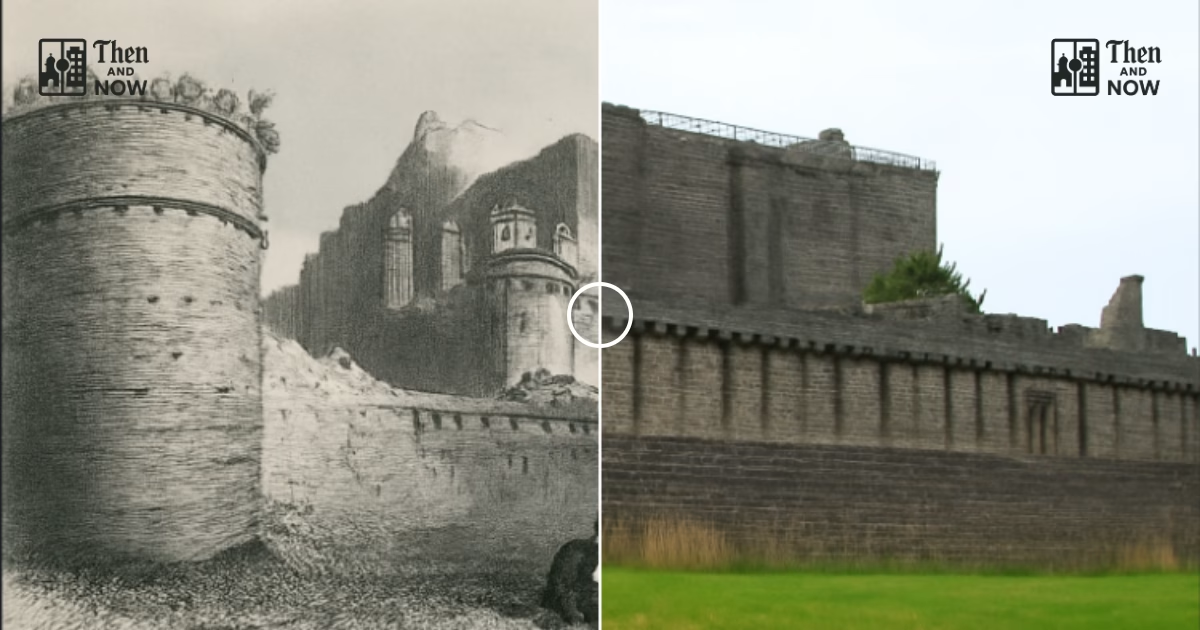
    Then and now comparison: Craigmillar Castle 1870 – 2025View interactive comparison →

    Craigmillar Castle, located on the outskirts of Edinburgh, stands as a remarkable example of medieval architecture, with its origins dating back to the 14th century. Known for its impressive keep and surrounding curtain walls, the castle served both as a stronghold and a retreat for Scottish royalty. Notably, Mary, Queen of Scots, took refuge here in late 1566 after the birth of her son, James VI.

    During her time at Craigmillar, a significant political event unfolded: the signing of the “Craigmillar Bond” by influential nobles, which aimed to remove her husband, Lord Darnley, from power. This pact ultimately set the stage for Darnley’s tragic murder, intertwining the castle’s history with one of Scotland’s most tumultuous periods.

    (more…)