Author: Jon Hall

  • Donnington Castle, Berkshire 1786 – 2024

    Donnington Castle, Berkshire 1786 – 2024

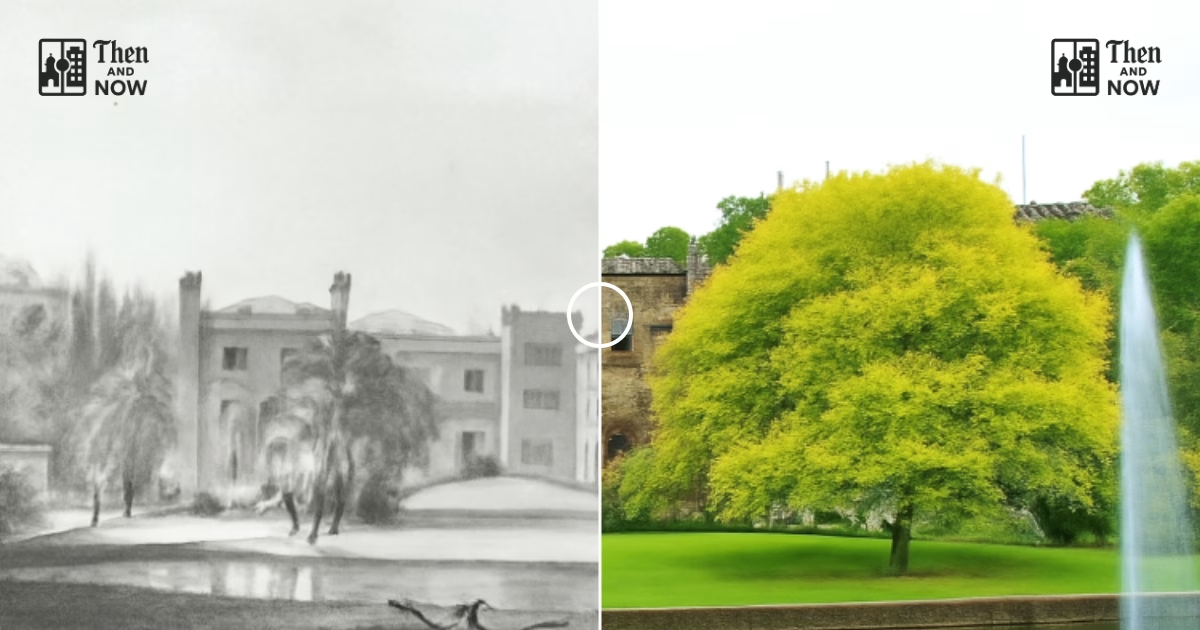
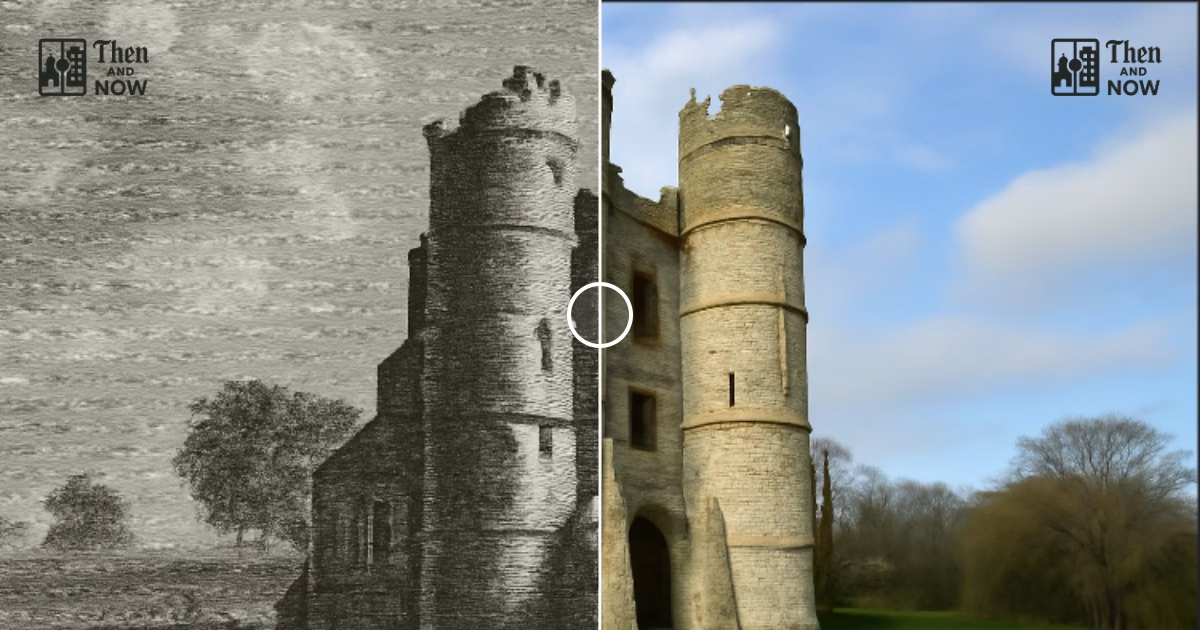
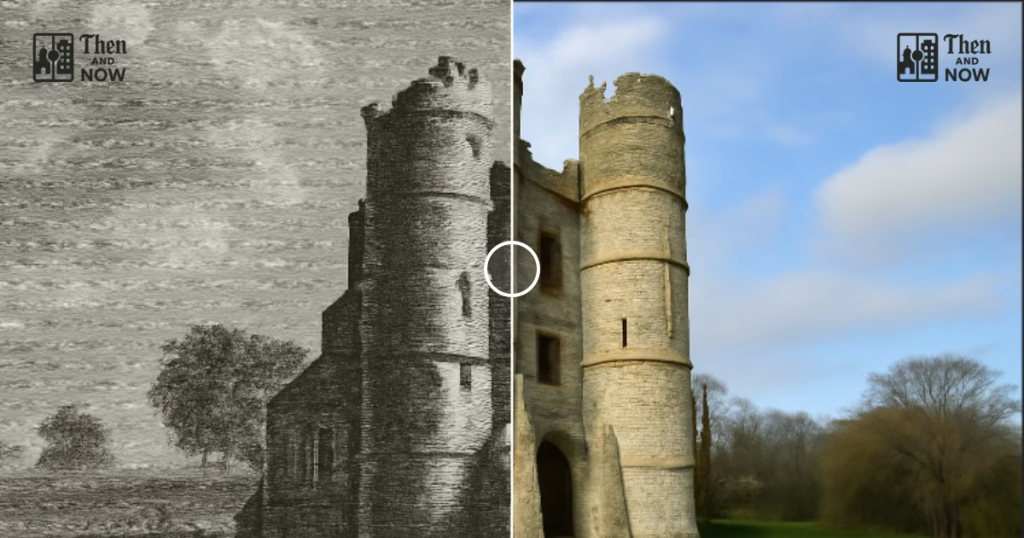
    Then and now comparison: Donnington Castle, Berkshire 1786 – 2024View interactive comparison →

    Donnington Castle in Berkshire was constructed in 1386, granted by King Richard II. Originally designed as a fortified manor, it later transformed into a royal residence, hosting notable figures such as Henry VIII and Elizabeth I. The castle’s strategic significance and royal connections made it a prominent landmark during its time.

    Following the English Civil War, much of the castle was dismantled, leaving only the impressive twin-towered gatehouse standing today. This remnant serves as a poignant reminder of the castle’s historical importance and the changes it has undergone over the centuries. The contrast between past and present highlights both the architectural legacy and the turbulent history of this once-grand structure.
    (more…)

  • North Bridge, Edinburgh 1861 – 2025

    North Bridge, Edinburgh 1861 – 2025

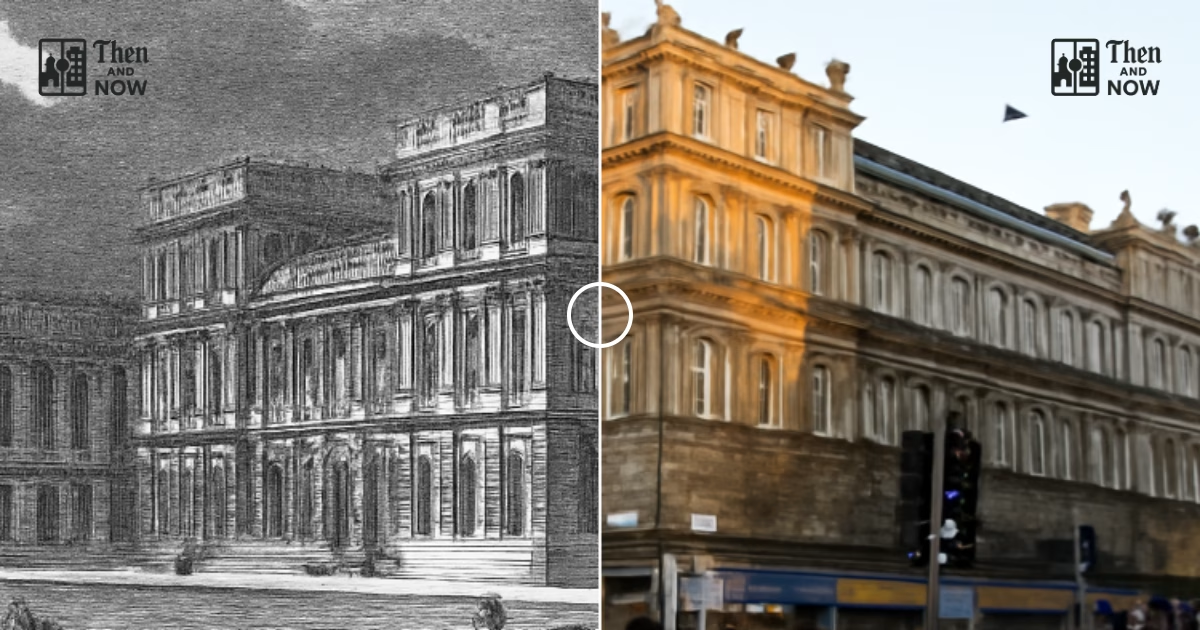
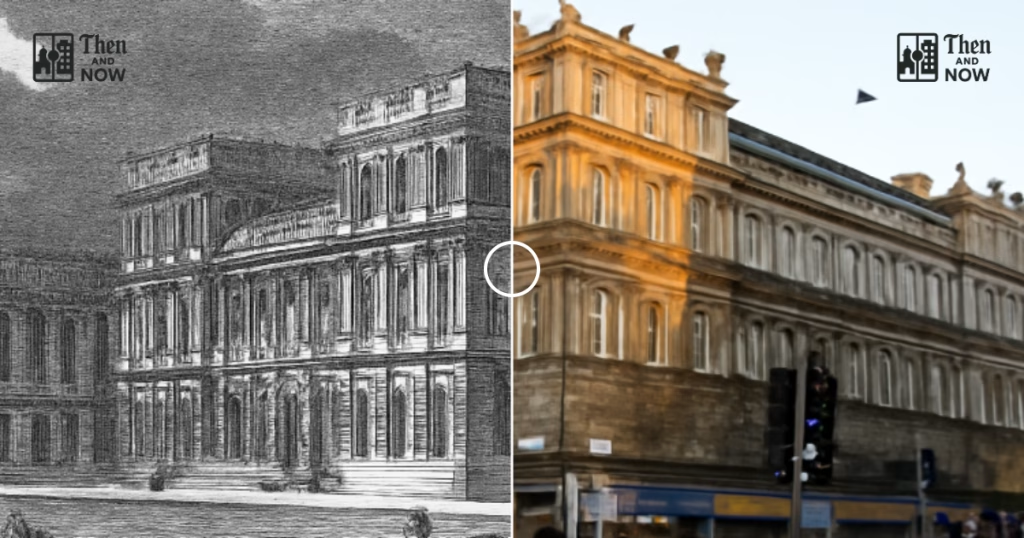
    Then and now comparison: North Bridge, Edinburgh 1861 – 2025View interactive comparison →

    The North Bridge area of Edinburgh has long been a significant hub, marked by the presence of the Edinburgh General Post Office, which was completed in the mid-19th century. Its architectural style, reflecting the Italian High Renaissance, symbolized the era’s burgeoning advancements in communication and infrastructure, particularly in relation to the Victorian postal network.

    The impressive structure once dominated the intersection of Waterloo Place and North Bridge, serving as a focal point for both local and national correspondence. Today, while the original post office may no longer stand, the area continues to be a vital part of Edinburgh’s urban landscape, showcasing the evolution of the city’s architecture and public services through the years.

    (more…)

  • Godolphin House, Cornwall 1900 – 2024

    Godolphin House, Cornwall 1900 – 2024

    Then and now comparison: Godolphin House, Cornwall 1900 – 2024View interactive comparison →

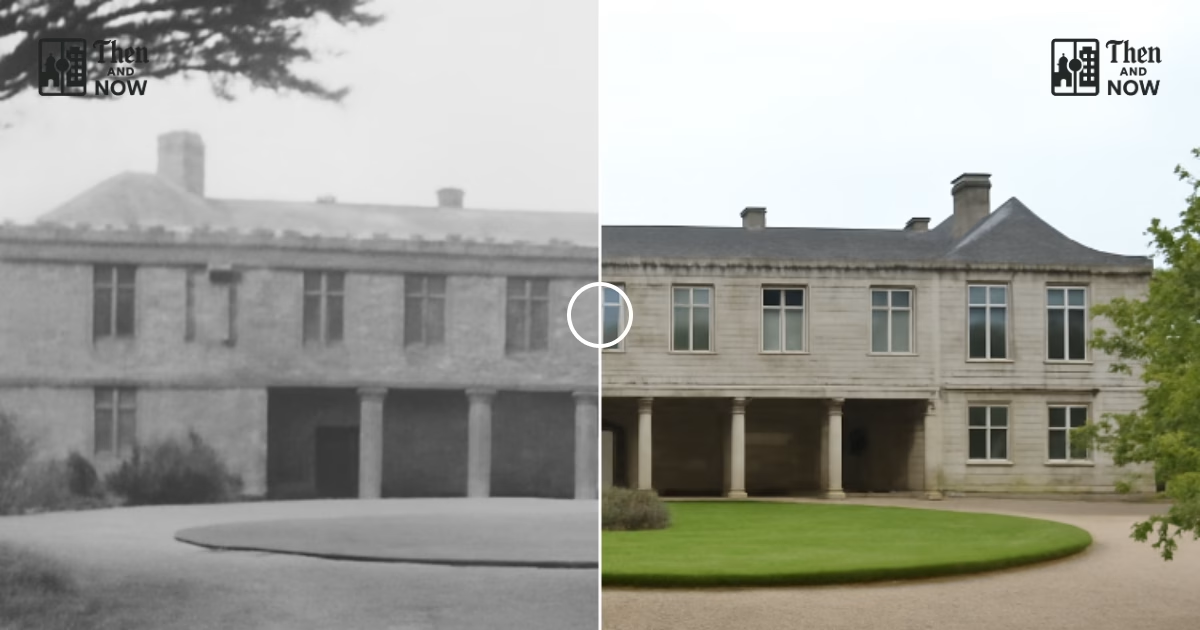
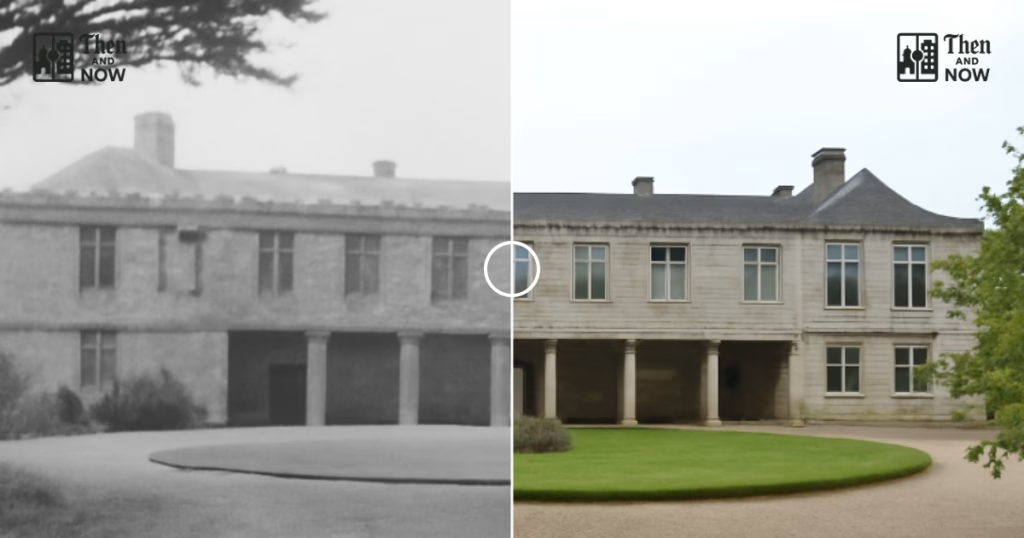
    Godolphin House, located in Cornwall, was built in the late 15th century by the Godolphin family. Over the years, the property experienced significant neglect, particularly during the late 18th century when the Dukes of Leeds, its subsequent owners, failed to maintain its condition. However, a restoration effort in the 1930s revitalised the estate, allowing it to regain its former glory. Presently, Godolphin House and its picturesque grounds are preserved as part of the National Trust, ensuring that this historical site remains a treasured part of the region’s heritage. The comparative images reveal the enduring charm and architectural significance of this notable landmark.

    (more…)

  • Longleat House 1687 – 2024

    Longleat House 1687 – 2024

    Then and now comparison: Longleat House 1687 – 2024View interactive comparison →

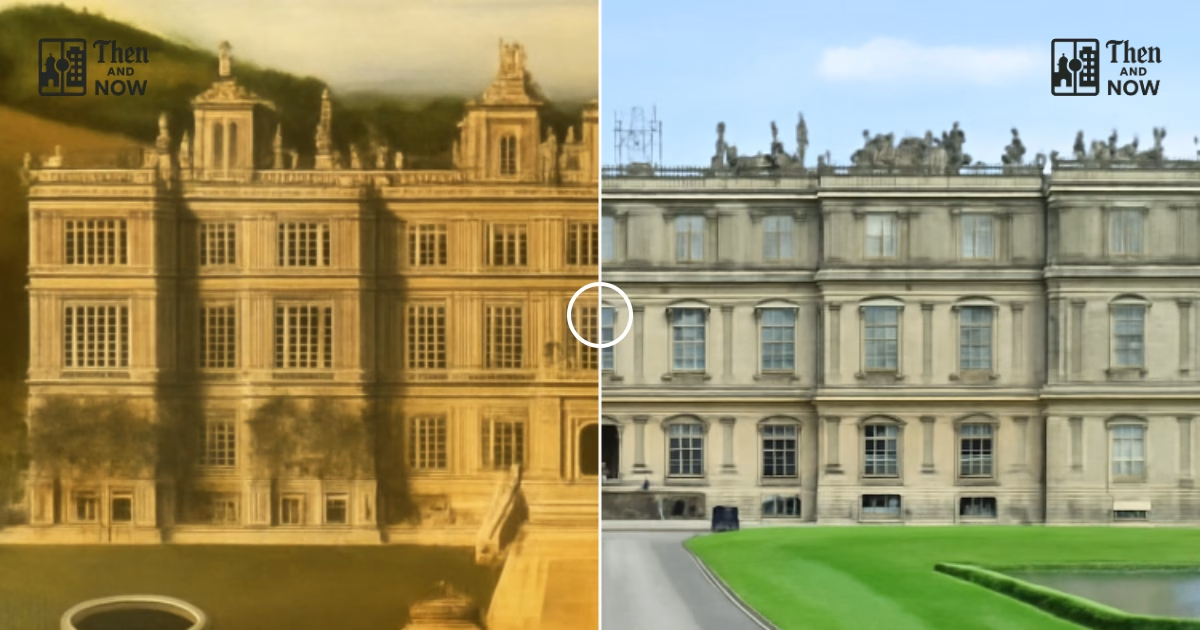
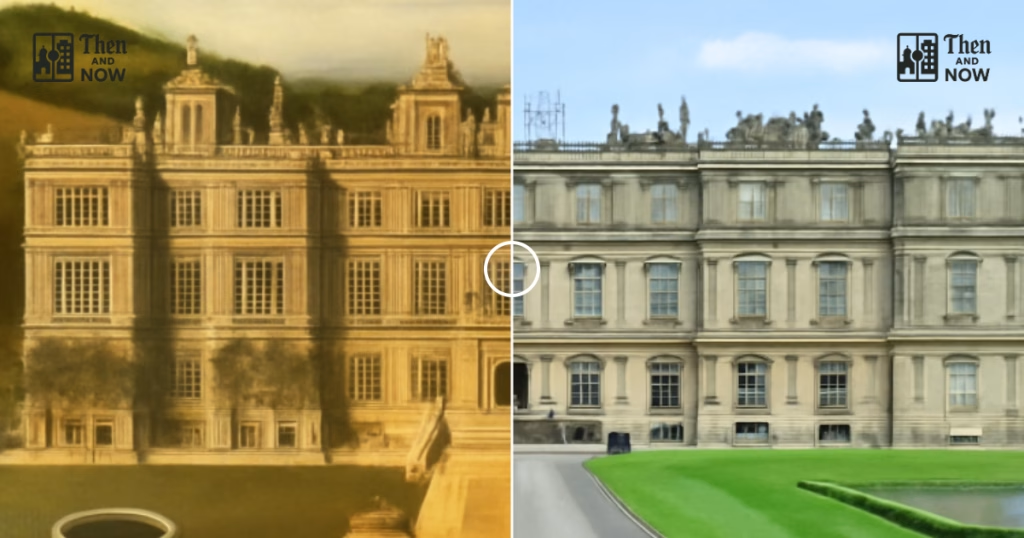
    Longleat House, located in Wiltshire, is a remarkable example of Renaissance architecture in England, built between 1568 and 1580. As the first stately home of its kind in the country, it showcases the grandeur and innovation of its era. The estate has undergone various changes over the centuries, yet it retains its historical significance and aesthetic appeal. The comparison highlights not only the architectural features that have stood the test of time but also the surrounding landscape, which has evolved significantly. Longleat continues to be a prominent landmark, attracting visitors with its rich history and stunning design.

    (more…)

  • Warren House Inn 1920 – 2024

    Warren House Inn 1920 – 2024

    Then and now comparison: Warren House Inn 1920 – 2024View interactive comparison →

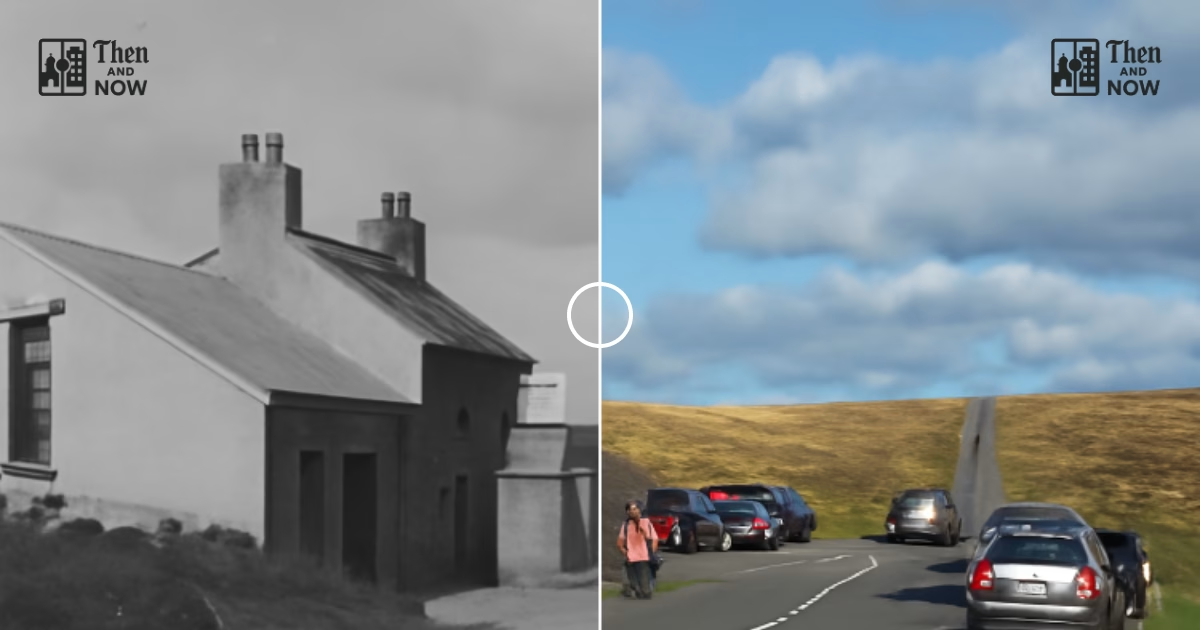
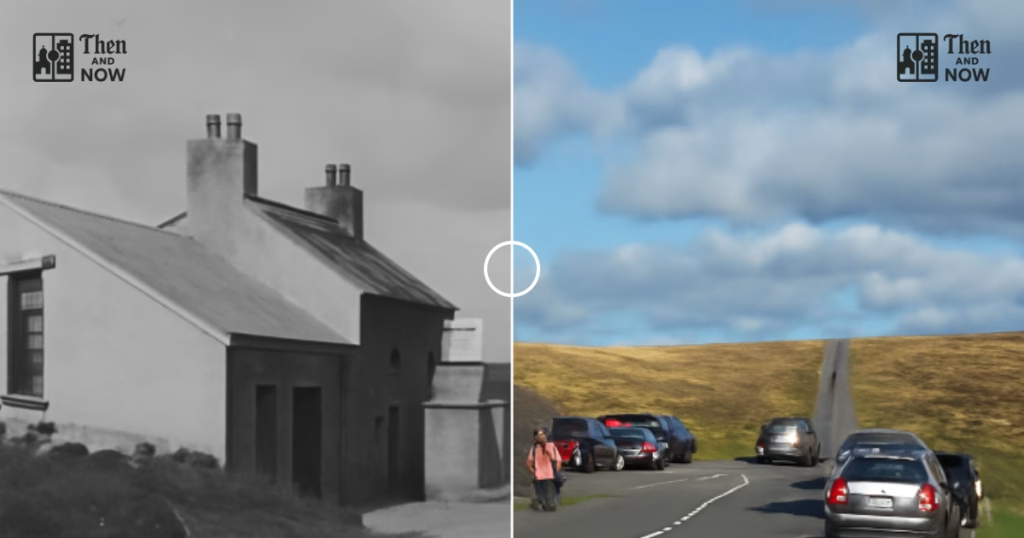
    Nestled in the remote expanse of Dartmoor, the Warren House Inn has served as a vital shelter since its establishment in 1750. This historic establishment has long been a haven for farmers, miners, and weary travellers braving the challenging landscape of the moors. Renowned for its elevation, it is recognized as the highest public house in Southern England, adding to its charm and appeal. The inn has witnessed centuries of change, yet it continues to provide a warm welcome and a sense of history to those who venture into this rugged region. The surrounding scenery remains largely unchanged, reflecting Dartmoor’s enduring natural beauty.

    (more…)

  • Middleham Castle 1900 – 2024

    Middleham Castle 1900 – 2024

    Then and now comparison: Middleham Castle 1900 – 2024View interactive comparison →

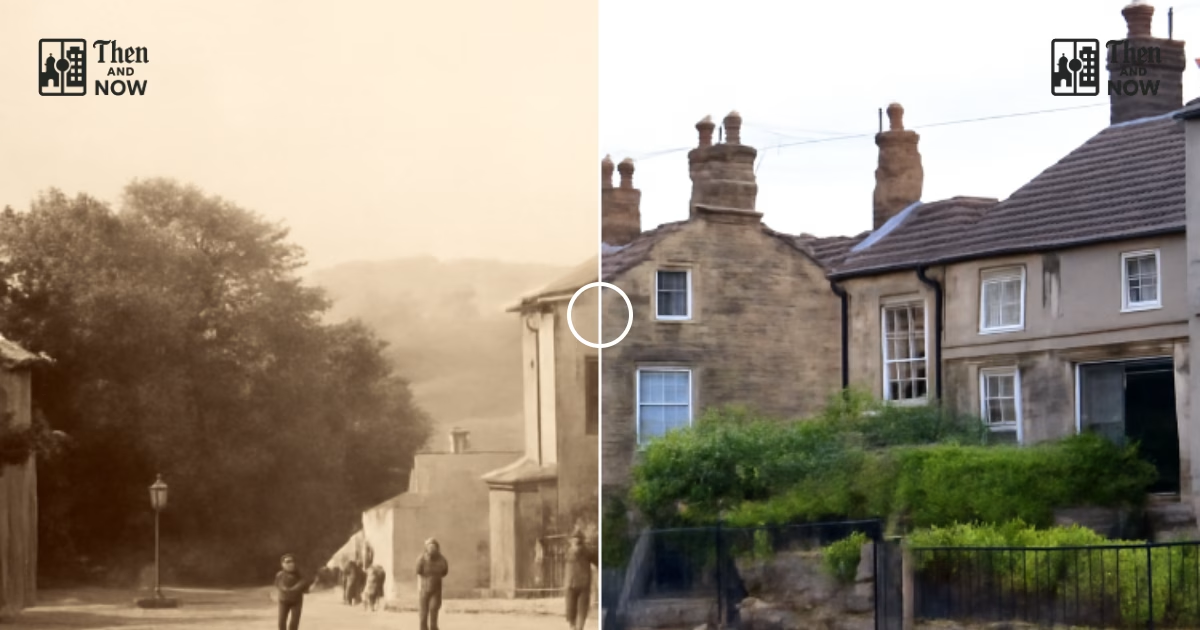
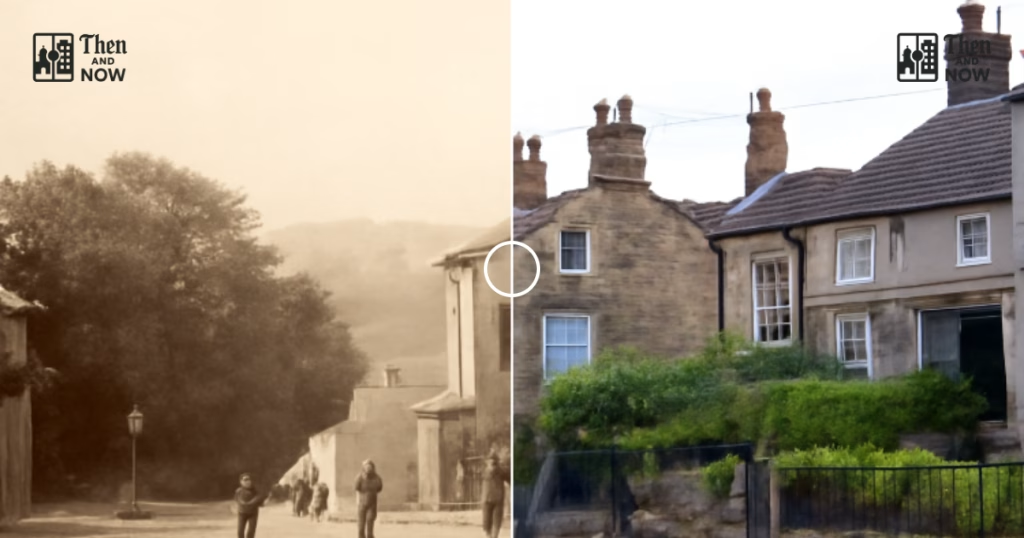
    Middleham Castle, located in the North Yorkshire market town of Middleham, is steeped in historical significance, particularly as the childhood residence of Richard III. This imposing structure has witnessed centuries of change, serving as a powerful symbol of the region’s rich heritage. The street leading to the castle, Kirkgate, has long been a vital thoroughfare, connecting the town’s residents and visitors to this iconic landmark.

    The evolution of Kirkgate reflects the passage of time, illustrating how the surrounding area has developed while still retaining its historical charm. As we compare images from the past with contemporary views, we gain insight into the enduring legacy of Middleham Castle and its role within the community.

    (more…)

  • Towneley Hall 1832 – 2024

    Towneley Hall 1832 – 2024

    Then and now comparison: Towneley Hall 1832 – 2024View interactive comparison →

    Towneley Hall, with origins tracing back to 1380, served as the ancestral home of the Towneley family for over six centuries. This historic building stands as a testament to the family’s legacy, showcasing architectural styles that reflect its long history.

    In 1901, following the extinction of the family’s male line in 1878, the estate was sold by its last resident, Lady O’Hagan, to the Burnley Corporation, along with 62 acres of surrounding parkland. Today, Towneley Hall is a publicly accessible site, allowing visitors to explore its rich heritage and the beautiful landscape that once belonged to the Towneley family.

    (more…)

  • The York Water Gate 1845 – 2025

    The York Water Gate 1845 – 2025

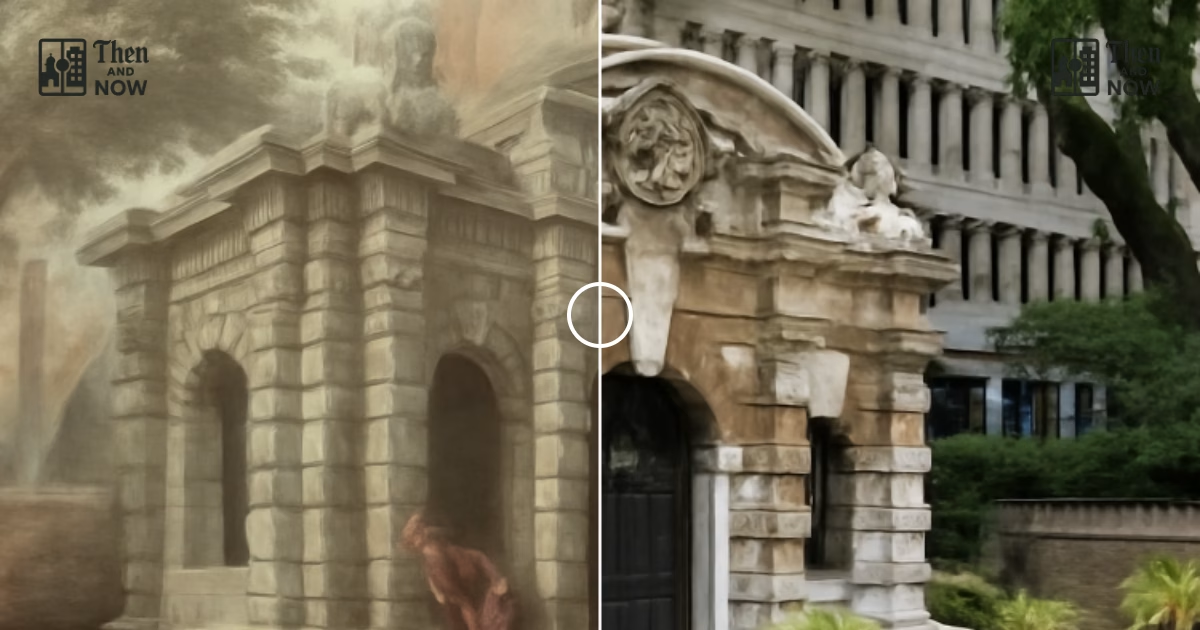
    Then and now comparison: The York Water Gate 1845 – 2025View interactive comparison →

    The York Water Gate is an exceptional remnant of 17th-century architecture, once forming part of the grand York House complex along the Thames in London. Constructed circa 1626 for George Villiers, the 1st Duke of Buckingham, this elegant structure served as the riverside entrance to the mansion. Over the centuries, significant alterations to the river’s edge, particularly during the Victorian Embankment projects, have dramatically altered its context. Today, the gate stands approximately 150 yards from the river, a poignant reminder of London’s evolving landscape and the historical shoreline that once defined the Thames.

    (more…)

  • Tower of London 1625 – 2026

    Tower of London 1625 – 2026

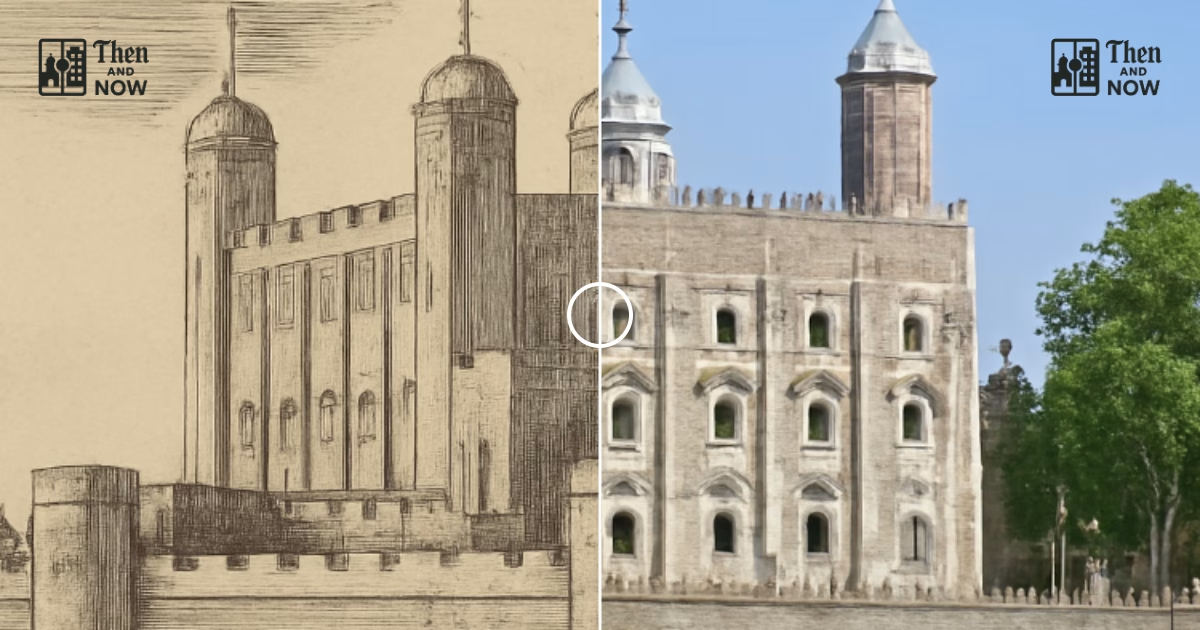
    Then and now comparison: Tower of London 1625 – 2026View interactive comparison →

    The Tower of London, established in the late 11th century under William the Conqueror, has witnessed significant transformations over the centuries. Central to this historic fortress is the White Tower, designed to symbolize Norman power and dominance. Its role has varied dramatically, serving not only as a royal palace but also as a notorious prison for figures such as Anne Boleyn and Elizabeth I. Additionally, it has functioned as an armoury, the location of the Royal Mint, and a sanctuary for royal menagerie. Today, the Tower remains a prominent cultural landmark, attracting visitors keen to explore its rich and multifaceted history.

    (more…)

  • Hampshire’s Highclere Castle 1867 – 2024

    Hampshire’s Highclere Castle 1867 – 2024

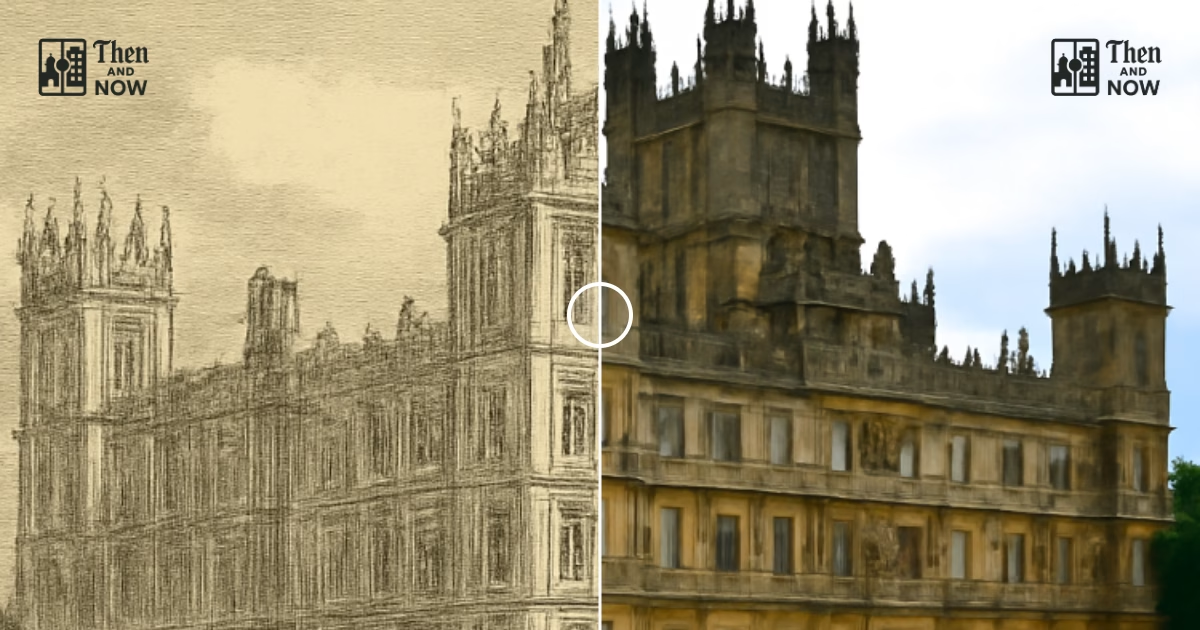
    Then and now comparison: Hampshire’s Highclere Castle 1867 – 2024View interactive comparison →

    Highclere Castle, located in Hampshire, is a distinguished Grade I listed building, often regarded as one of the finest Victorian mansions in England. The estate’s architectural lineage can be traced back to 1679, showcasing a blend of historical grandeur and Victorian elegance. Although its origins are steeped in history, Highclere gained widespread recognition as the backdrop for the acclaimed television series Downton Abbey, which has contributed significantly to its popularity in contemporary culture. The juxtaposition of its storied past with its modern fame highlights the castle’s enduring appeal and significance in both historical and popular contexts.

    (more…)