Author: Jon Hall

  • Aberconwy House, Conwy 1910 – 2025

    Aberconwy House, Conwy 1910 – 2025

    Then and now comparison: Aberconwy House, Conwy 1910 – 2025View interactive comparison →

    Aberconwy House, located in Conwy, Wales, stands as the town’s oldest surviving merchant’s townhouse and the only medieval residential structure within the town walls to have remained intact since the English conquest. Erected around the year 1400 for a successful merchant shortly after the establishment of the walled borough by King Edward I, this historic building showcases a robust stone ground floor that initially served as a shop and trading cellar.

    In the present day, Aberconwy House is maintained by the National Trust, allowing visitors to appreciate its rich history and architectural significance, as it continues to be a vital link to Conwy’s medieval past.
    (more…)

  • Last Inn, Sennen 1900 – 2024

    Last Inn, Sennen 1900 – 2024

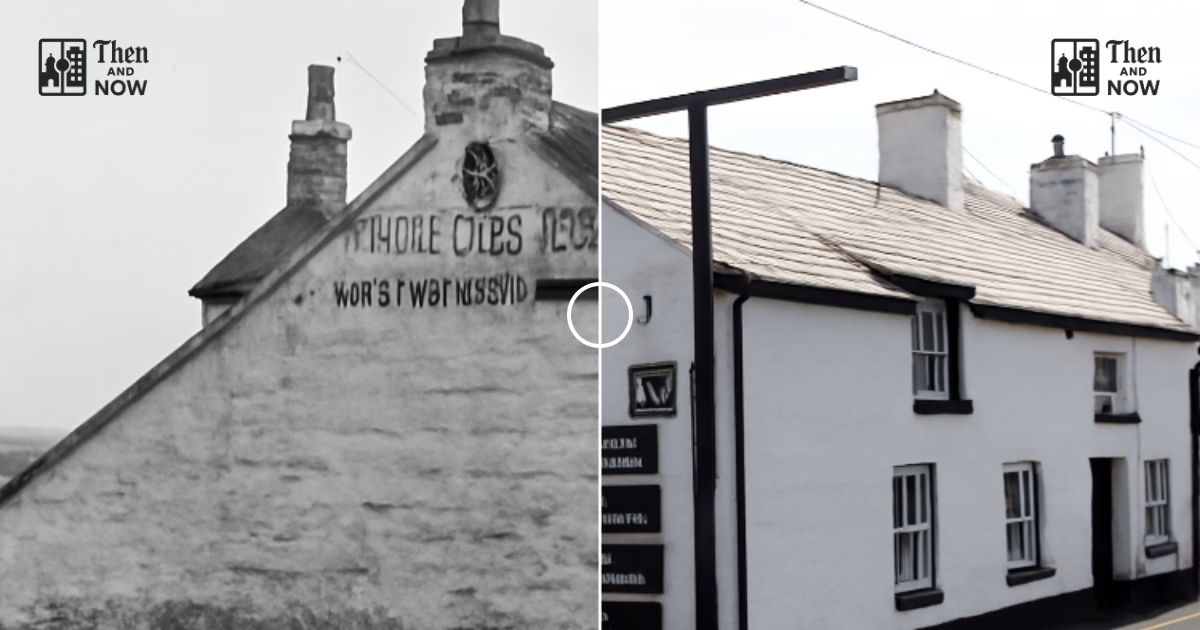
    Then and now comparison: Last Inn, Sennen 1900 – 2024View interactive comparison →

    The Last Inn in Sennen, established in the early 17th century, holds the distinction of being the last pub on the British mainland. Its historical significance extends beyond its age; it was also a hub of smuggling activity during the 18th century. The inn’s landlady, Annie George, cleverly utilized concealed cellars and hidden passages beneath the bar to store illicit goods arriving from the nearby Cornish coastline. This intriguing past adds a layer of character to the establishment, which continues to attract visitors today, blending its rich history with a modern welcoming atmosphere.

    (more…)

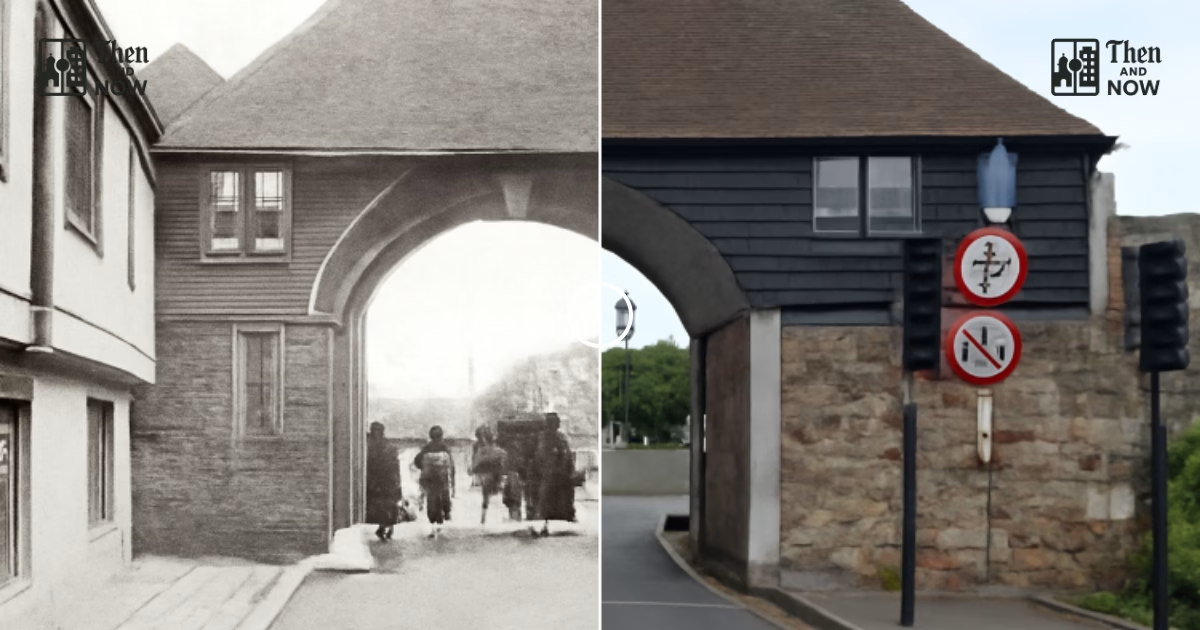
  • Barbican Gate, Sandwich 1900 – 2026

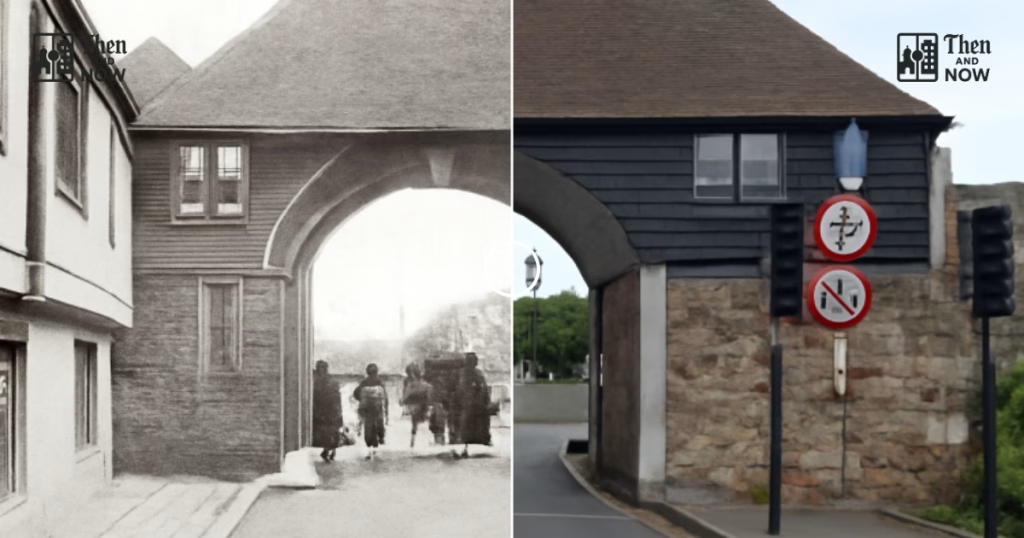
    Barbican Gate, Sandwich 1900 – 2026

    Then and now comparison: Barbican Gate, Sandwich 1900 – 2026View interactive comparison →

    The Barbican Gate, located in Sandwich, Kent, dates back to the late 14th century and was initially constructed as a defensive structure to protect the crossing over the River Stour. This imposing gateway served a significant role in the town’s history, acting as a fortification during its early years.

    Over the centuries, the Barbican Gate transitioned from a military function to a civic one, operating as the official tollgate for vehicles crossing the town’s bridge. This role continued until the abolition of road tolls in September 1974, marking a significant change in the gate’s function and the town’s transport dynamics. Today, it stands as a historical landmark, reflecting the rich heritage of Sandwich.

    (more…)

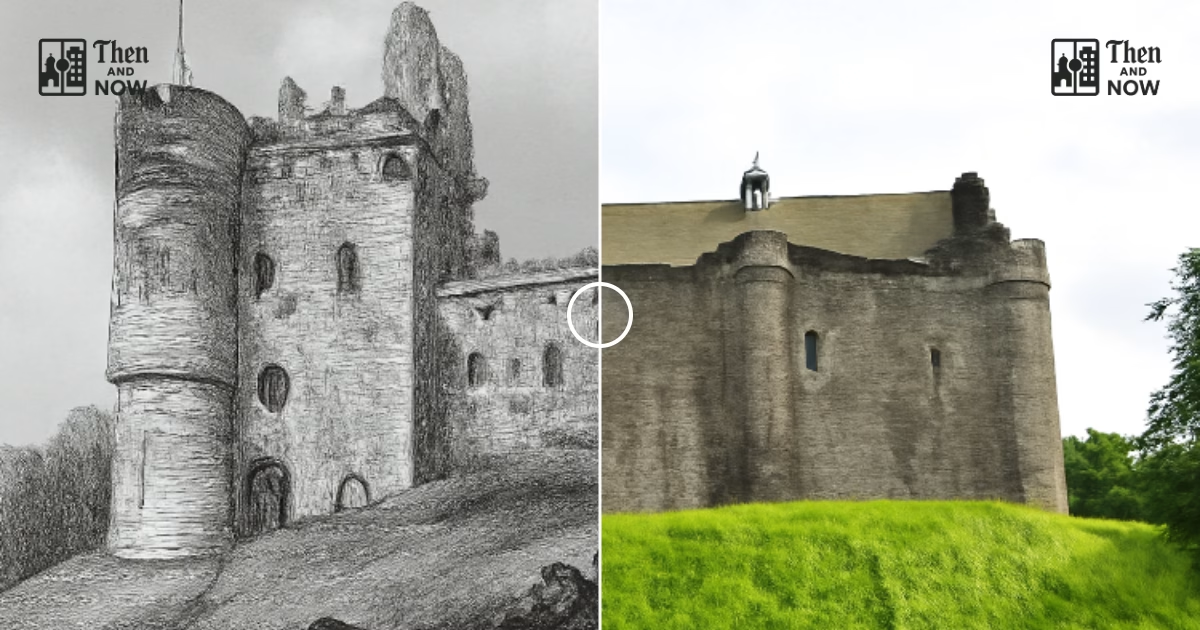
  • Scotland’s Doune Castle 1852 – 2025

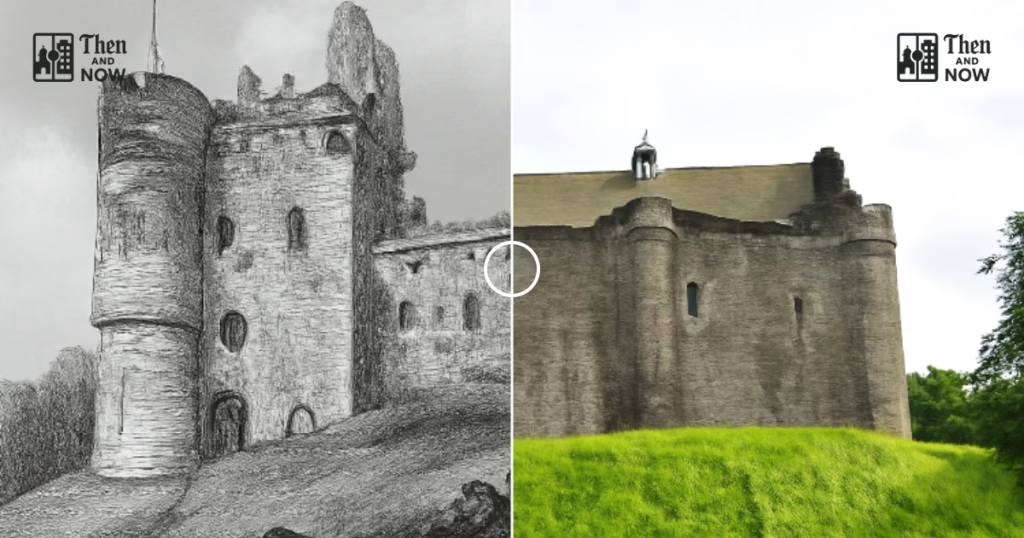
    Scotland’s Doune Castle 1852 – 2025

    Then and now comparison: Scotland’s Doune Castle 1852 – 2025View interactive comparison →

    Doune Castle, constructed in the late 14th century, stands as a notable example of medieval architecture in Scotland. Originally designed as a grand residence, its imposing 95-foot gatehouse showcases the ambition of the era’s nobility. The castle’s Great Hall, well-preserved over centuries, reflects the importance of such spaces in medieval society, serving both as a gathering place and a demonstration of power. Doune Castle not only represents the artistic and defensive strategies of its time but also continues to capture the imagination of visitors today, highlighting the enduring legacy of Scotland’s rich historical heritage.

    (more…)

  • George Inn, Norton St Philip 1852 – 2025

    George Inn, Norton St Philip 1852 – 2025

    Then and now comparison: George Inn, Norton St Philip 1852 – 2025View interactive comparison →

    The George Inn in Norton St Philip, established in 1397, holds the distinction of being one of the oldest continuously licensed pubs in the UK. Originally serving as a wool store for the nearby Hinton Priory, the inn also played a significant role during the 1685 Monmouth Rebellion, acting as a strategic headquarters for the Duke of Monmouth.

    This comparison highlights the remarkable preservation of the inn’s character over the centuries. Despite the passage of time, the building retains much of its historical charm, with structural elements and architectural features that echo its storied past. The recent photograph, taken in January last year, showcases the enduring legacy of this iconic establishment.

    (more…)

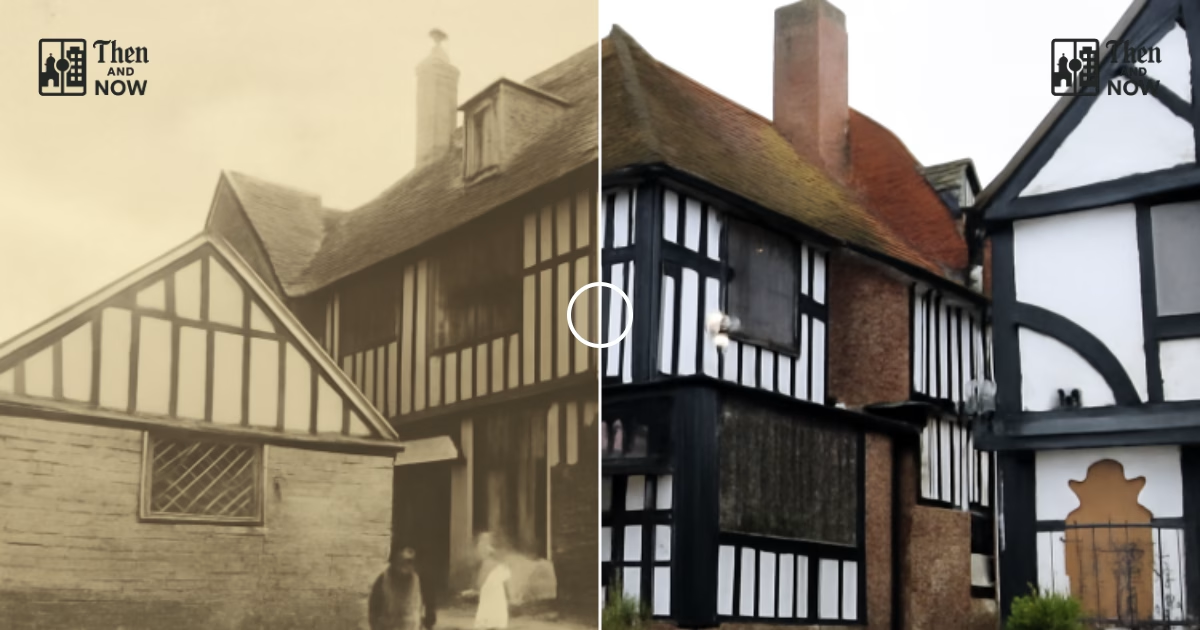
  • Parham House, Sussex 1904 – 2024

    Parham House, Sussex 1904 – 2024

    Then and now comparison: Parham House, Sussex 1904 – 2024View interactive comparison →

    Parham House, located in Sussex, stands as a notable example of Elizabethan architecture, having been constructed in 1557. Its impressive preservation is a testament to the care it has received over the centuries, remaining within the ownership of only three families since its inception. The historical significance of Parham House is highlighted by its enduring presence in the landscape, which has seen various changes over the years. The juxtaposition of a photograph from 1904 with a contemporary view captures the essence of this remarkable estate and its surrounding grounds, showcasing the continuity of its architectural heritage amidst the passage of time.

    (more…)

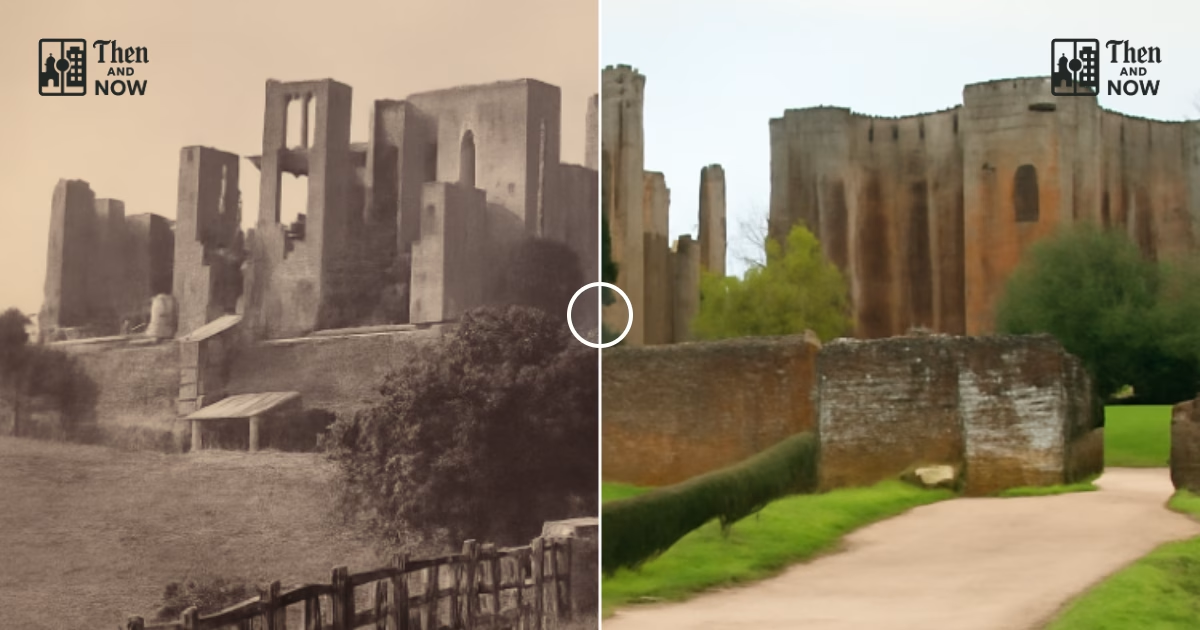
  • Kenilworth Castle, Warwickshire 1865 – 2024

    Kenilworth Castle, Warwickshire 1865 – 2024

    Then and now comparison: Kenilworth Castle, Warwickshire 1865 – 2024View interactive comparison →

    Kenilworth Castle, situated in Warwickshire, has a rich history dating back to its founding in the 1120s. Originally built as a stronghold, the castle gained significant prominence during the 13th century when it was famously besieged for six months in 1266. Over the years, it evolved into a luxurious residence under notable figures such as John of Gaunt and Robert Dudley, Earl of Leicester, who enhanced its stature.

    The castle’s military significance diminished following the English Civil War, culminating in the dismantling of its fortifications by Parliamentary forces in 1649. Today, the impressive red sandstone ruins, maintained by English Heritage, offer a glimpse into the castle’s storied past and its architectural evolution from a defensive structure to an opulent home.

    (more…)

  • The Mermaid Inn, Rye 1913 – 2024

    The Mermaid Inn, Rye 1913 – 2024

    Then and now comparison: The Mermaid Inn, Rye 1913 – 2024View interactive comparison →

    The Mermaid Inn, located in Rye, East Sussex, boasts a history that stretches back to 1156. The present edifice was primarily reconstructed in 1420 following destruction during a French raid in 1377. Characterised by its Tudor timber framing, the inn features low-beamed ceilings and expansive hearths, reflecting its medieval origins.

    In the 18th century, the inn gained notoriety as a hub for smuggling activities, particularly associated with the infamous Hawkhurst Gang, who utilised its hidden cellars and secretive passages for transporting illicit goods. Today, the Mermaid Inn stands as a celebrated example of Britain’s historic hospitality, maintaining its charm and allure for visitors.

    (more…)

  • The Jew’s House, Lincoln 1900 – 2025

    The Jew’s House, Lincoln 1900 – 2025

    Then and now comparison: The Jew’s House, Lincoln 1900 – 2025View interactive comparison →

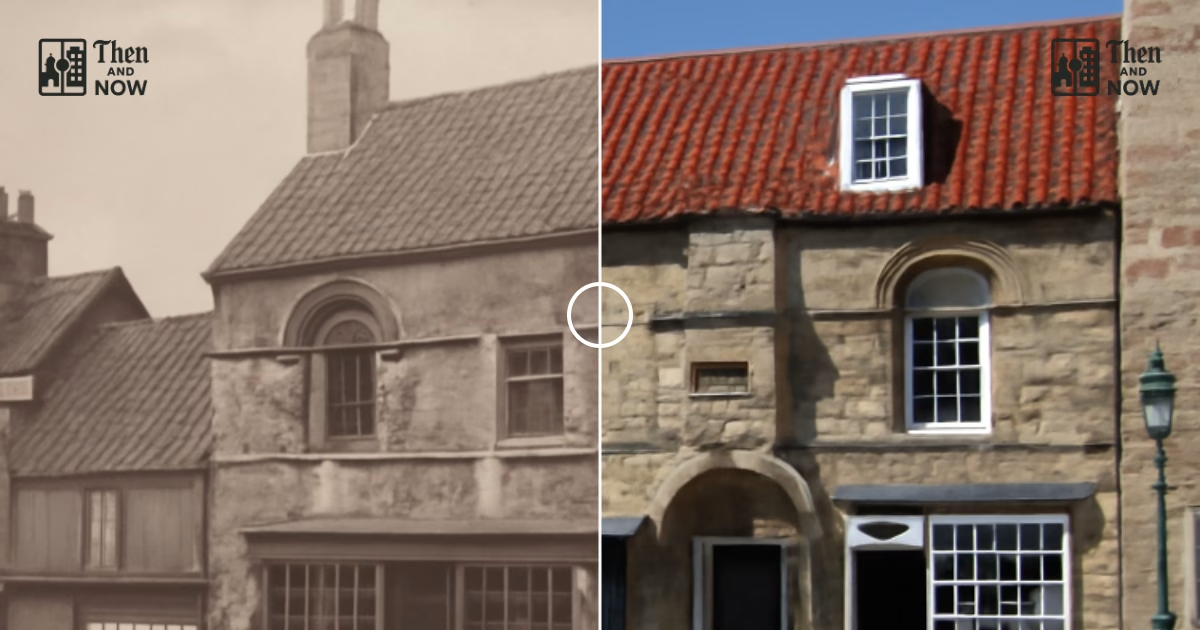
    The Jew’s House in Lincoln is celebrated as one of the oldest surviving townhouses in England, dating back to the medieval period. Constructed during the reign of King Henry II, this remarkable Norman building has managed to endure through numerous historical events over the past eight and a half centuries. It stands as one of only five remaining medieval Jewish residences in the country, showcasing its significance in England’s architectural and cultural heritage. The structure retains many of its original features, including a beautifully carved stone doorway, which adds to its historical allure and offers a glimpse into the past.

    (more…)

  • Barmouth Bridge 1902 – 2026

    Barmouth Bridge 1902 – 2026

    Then and now comparison: Barmouth Bridge 1902 – 2026View interactive comparison →

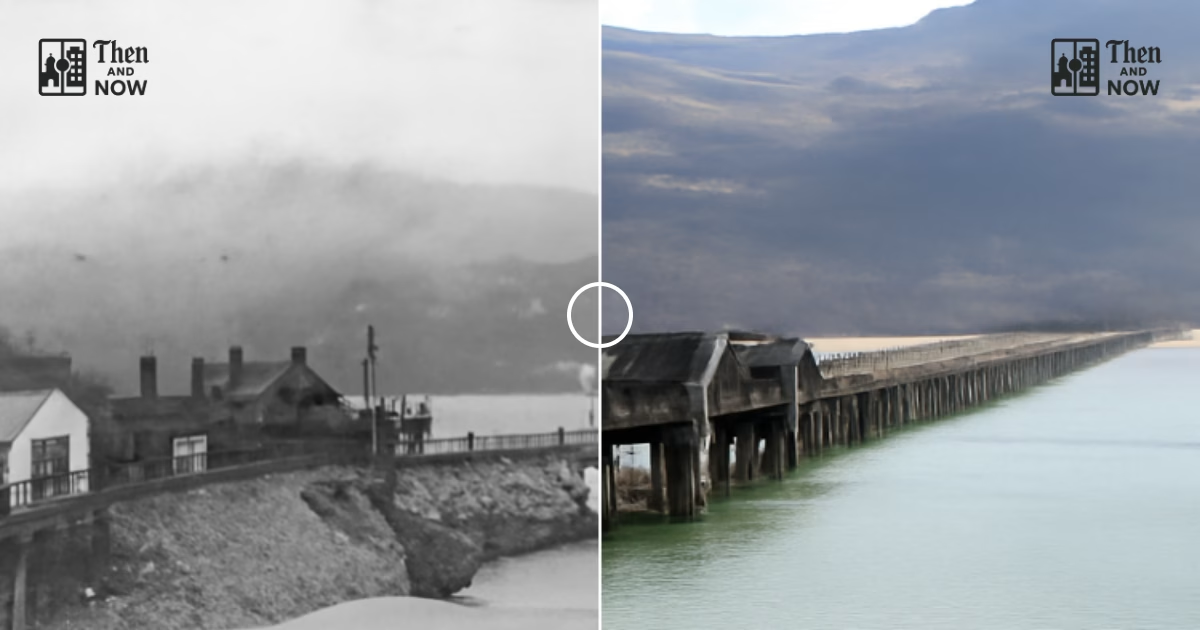
    Barmouth Bridge, a remarkable feat of engineering, was completed in 1867 and remains the longest timber trestle railway bridge in the UK still in use. Spanning 820 metres, this Grade II* listed structure showcases a unique combination of wood and iron, with its original steel drawbridge section replaced by wrought-iron swing spans in 1899 to accommodate maritime traffic.

    Over the years, the bridge has faced numerous challenges, including significant damage from marine wood-boring shipworms in the 1980s and ongoing threats of closure to the rail line it serves. Despite these obstacles, extensive restoration projects have ensured the bridge’s continued prominence in Wales’ landscape and its vital role in local transport.

    (more…)