EXPLORE PLACES THROUGH TIME
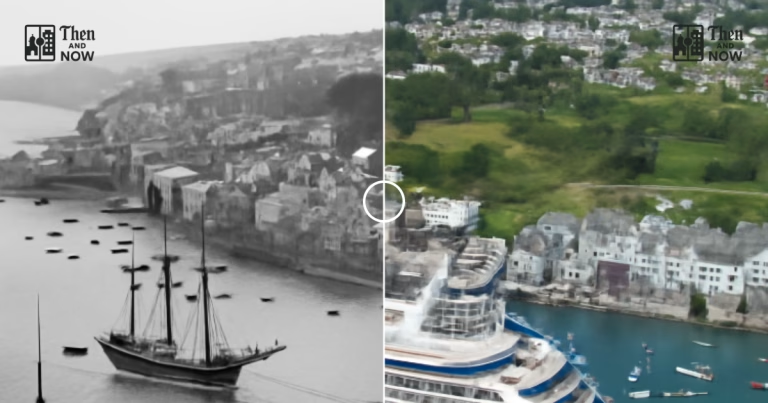
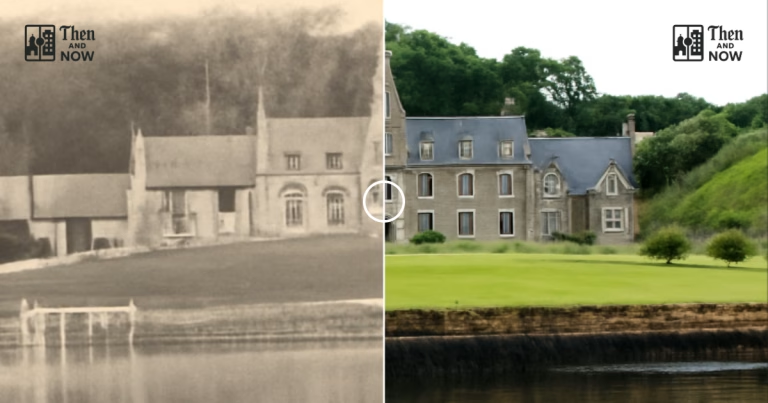
Fowey Then & Now
Discover how Fowey has changed through historic and modern photographs.
A little history of Fowey
Fowey, Cornwall
Fowey, a historic port town in Cornwall, England, has been a significant maritime hub since medieval times. Its natural deep-water harbour facilitated trade in tin, copper, and wool, with local shipowners often supporting royal campaigns. The town's strategic importance led to the construction of defensive structures, including a small castle built around 1540 on St Catherine's Point to protect the harbour entrance.
During the English Civil War, Fowey sided with the Royalists. In 1644, King Charles I observed the town from Hall Walk above Polruan, narrowly escaping a musket shot. The town also faced attacks, such as a Barbary raid in 1645, resulting in the capture of 240 residents.
In the 19th century, Fowey's harbour underwent significant development. The Fowey Harbour Commissioners, established in 1869, improved the harbour's facilities. The Cornwall Minerals Railway opened a line from Newquay and Par to Fowey in 1873, enhancing transport links. The town's economy diversified with the export of china clay, and it remains a vibrant port today.
Fowey's rich history is preserved in its architecture, including the Parish Church of St Fimbarrus, built in the early 14th century, and Place House, a notable building in the town. The town's literary connections, notably with author Daphne du Maurier, further enrich its cultural heritage.