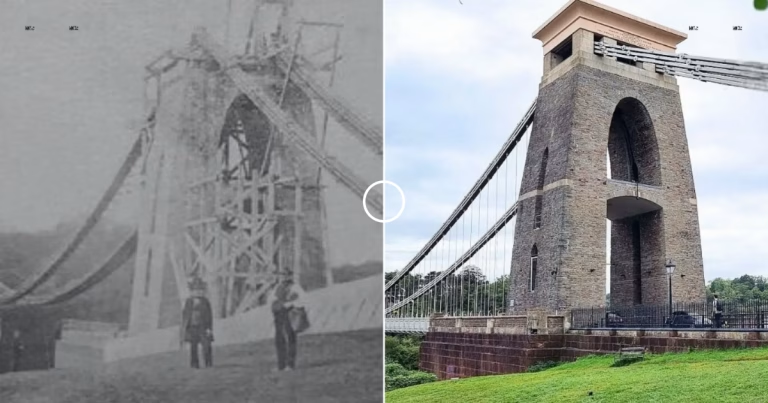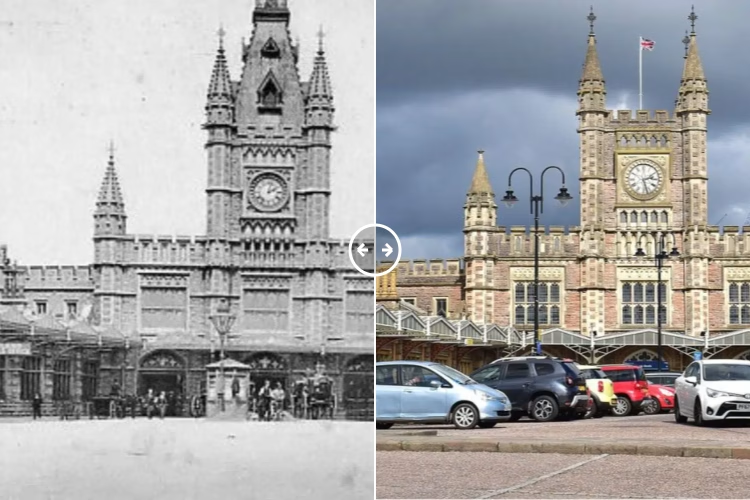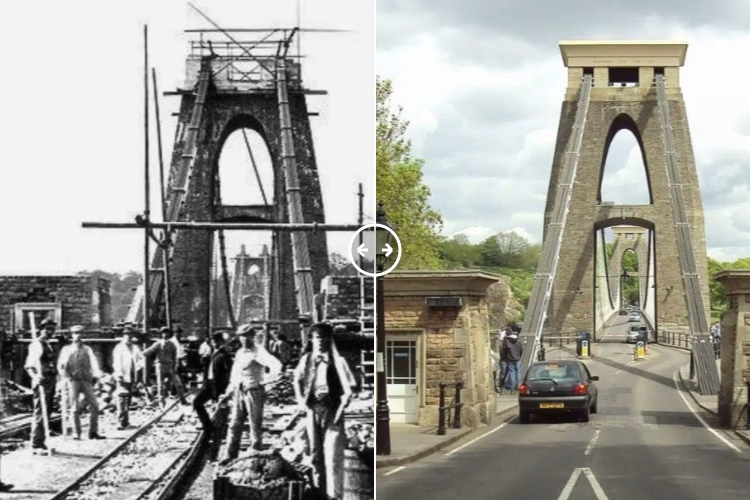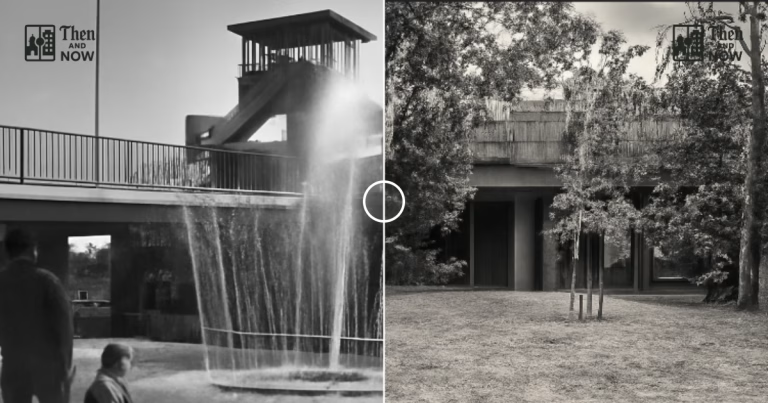
EXPLORE PLACES THROUGH TIME
Bristol Then & Now
Discover how Bristol has changed through historic and modern photographs.
A little history of Bristol
Bristol, located in the southwest of England, has a rich history spanning over a millennium. Established as a Saxon settlement named Brycgstow, meaning "place by the bridge," it developed into a significant port town by the 10th century, with a mint producing silver pennies. The town's strategic position between the Rivers Avon and Frome facilitated its growth as a maritime hub, fostering trade with Ireland, Wales, and continental Europe.
In the 12th century, Bristol Castle was constructed, serving as a formidable fortress and symbol of the town's importance. The castle's strategic location between the River Avon and the River Frome made it a significant defensive structure. The 14th century saw Bristol's elevation to county status in 1373, reflecting its growing prominence. The 15th and 16th centuries were marked by economic prosperity, with the city becoming a major centre for shipbuilding and manufacturing. The 17th and 18th centuries further solidified Bristol's status as a key port, with the construction of the Floating Harbour and the Great Western Railway, designed by Isambard Kingdom Brunel.
The 20th century brought challenges, including significant damage during World War II's Bristol Blitz. Despite this, the city underwent substantial rebuilding, preserving its historical landmarks while embracing modern development. Today, Bristol stands as a vibrant city, renowned for its rich heritage, architectural landmarks, and cultural significance.