Author: Jon Hall

  • Wardin, Belgium 1944 – 2026

    Wardin, Belgium 1944 – 2026

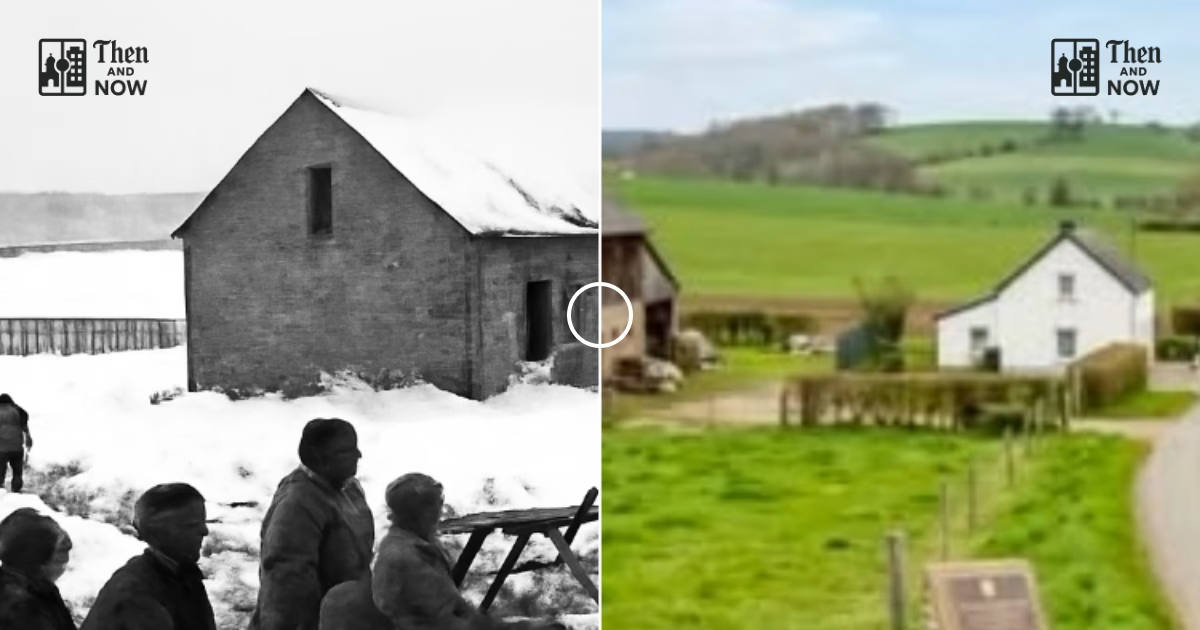
    Then and now comparison: Wardin, Belgium 1944 – 2026View interactive comparison →

    Wardin, a location in Belgium, played a significant role during the Battle of the Bulge in 1944, which marked one of the last major German offensives on the Western Front during World War II. This operation saw intense fighting as Allied forces sought to repel the advancing troops through the Ardennes region.

    In contemporary times, Wardin has transformed, reflecting the changes that have occurred in post-war Europe. While remnants of its historical significance may still exist, the landscape has evolved, showcasing a blend of modernity and historical memory. The current view serves as a reminder of the past while highlighting the resilience of communities in the face of adversity.
    (more…)

  • Bratislava 1975 – 2018

    Bratislava 1975 – 2018

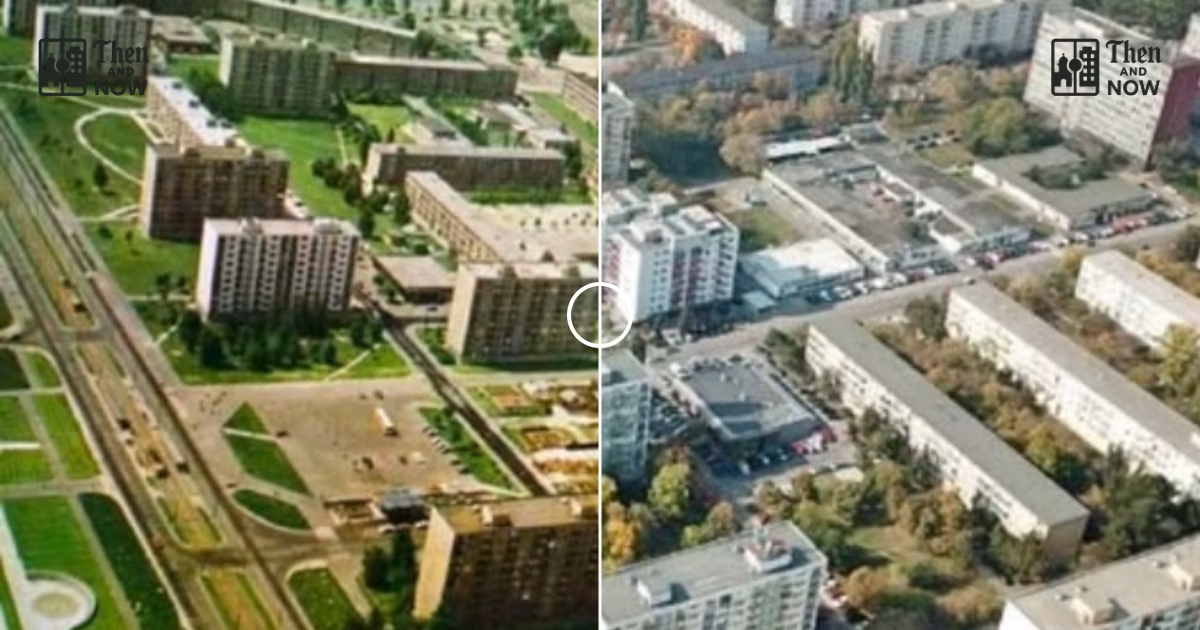
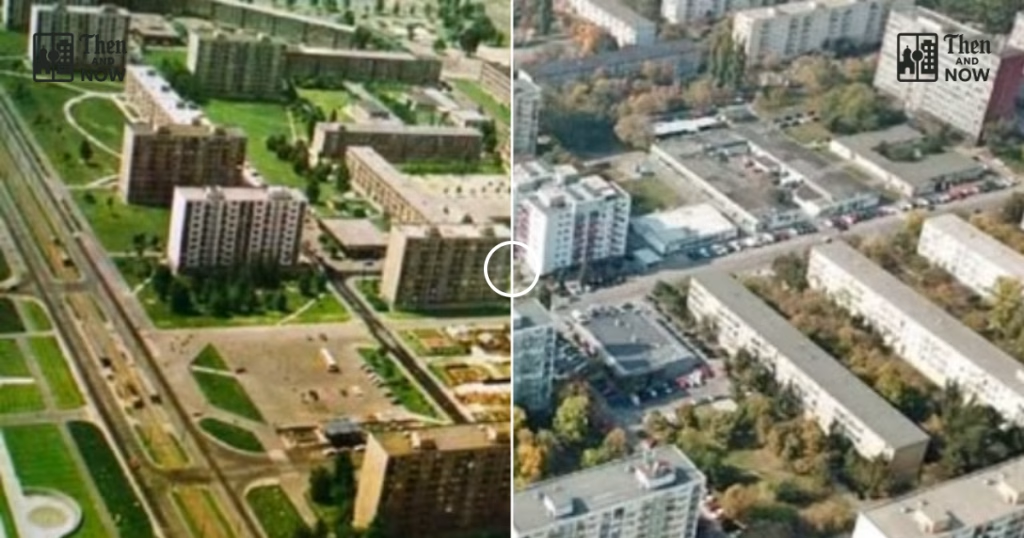
    Then and now comparison: Bratislava 1975 – 2018View interactive comparison →

    Bratislava, the capital city of Slovakia, has undergone significant transformation from the mid-20th century to the present day. The earlier photograph from 1975 captures a period of development, showcasing the architectural style prevalent during that era, characterized by utilitarian designs and socialist influences.

    In contrast, the contemporary image from 2018 reflects a vibrant city that has embraced modernization while also preserving its historical heritage. The skyline now features a blend of contemporary structures alongside older buildings, illustrating Bratislava’s evolution into a dynamic European capital. This comparison highlights the city’s journey through time, marked by changes in architecture, urban planning, and cultural influences.

    (more…)

  • Sabil Suleiman 1950 – 2026

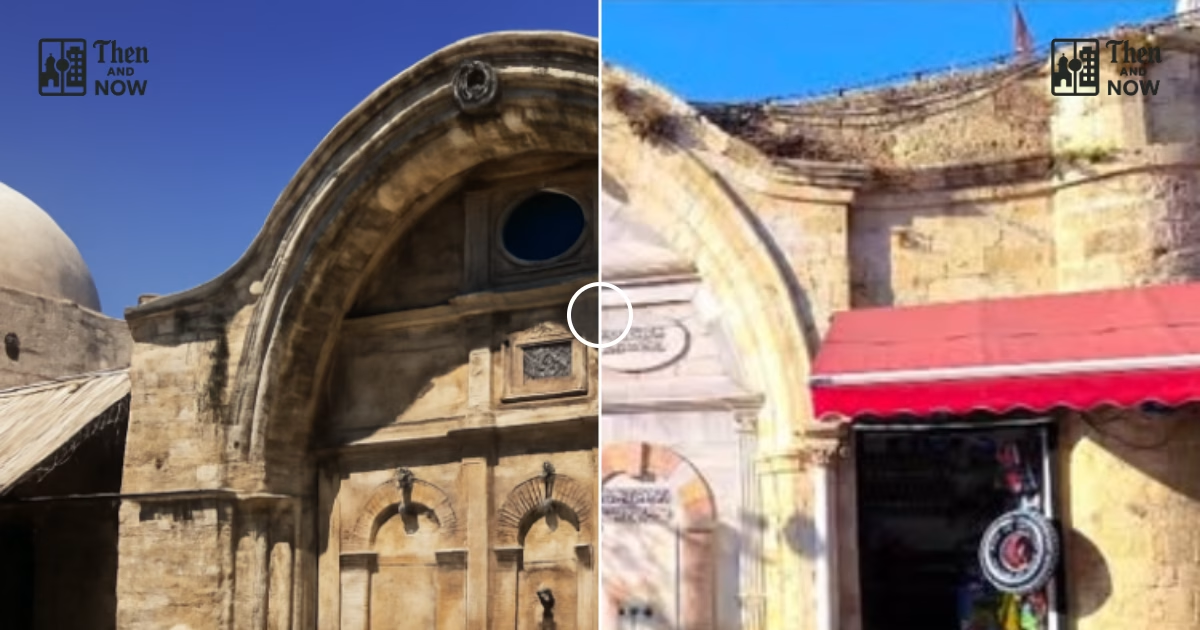
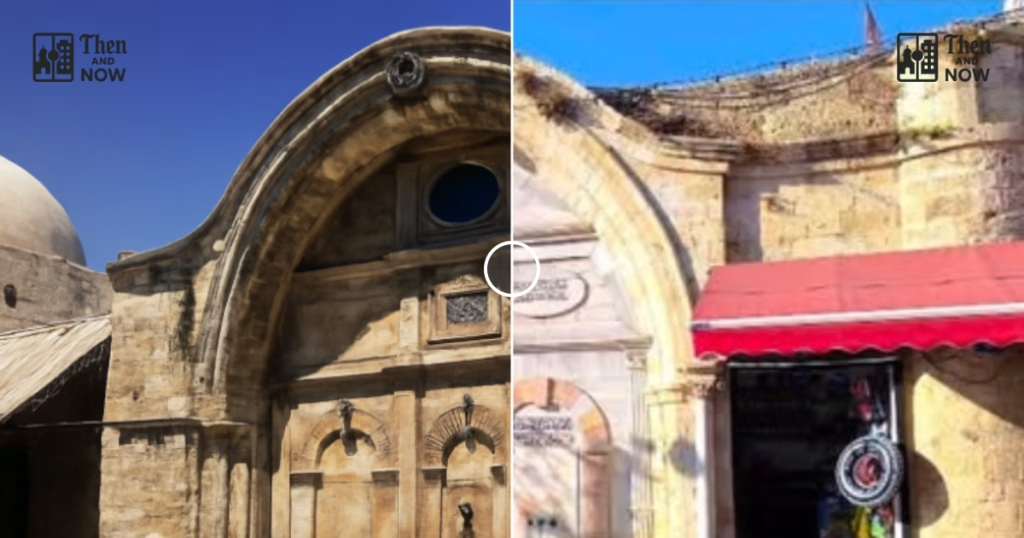
    Sabil Suleiman 1950 – 2026

    Then and now comparison: Sabil Suleiman 1950 – 2026View interactive comparison →

    Sabil Suleiman, located in Jaffa, is a historic fountain that dates back to the Ottoman period. Originally constructed to provide fresh water to the local population, it reflects the architectural style typical of its time, characterized by intricate stonework and decorative features.

    In the mid-20th century, the fountain was a prominent landmark in the area, serving as a gathering point for residents and visitors alike. The modern photograph from 2026 showcases the continued significance of Sabil Suleiman, highlighting ongoing preservation efforts that aim to maintain its cultural heritage while accommodating contemporary urban developments. This juxtaposition illustrates the balance between historical heritage and modernity in Jaffa’s evolving landscape.

    (more…)

  • 199 Steps, Whitby 1931 – 2026

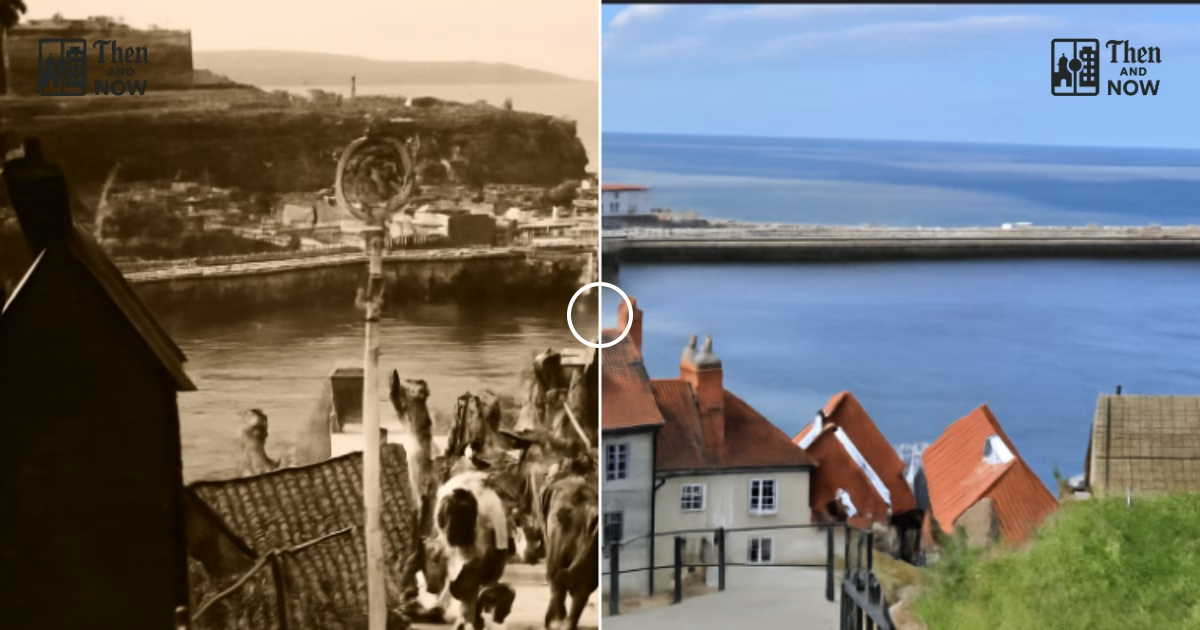
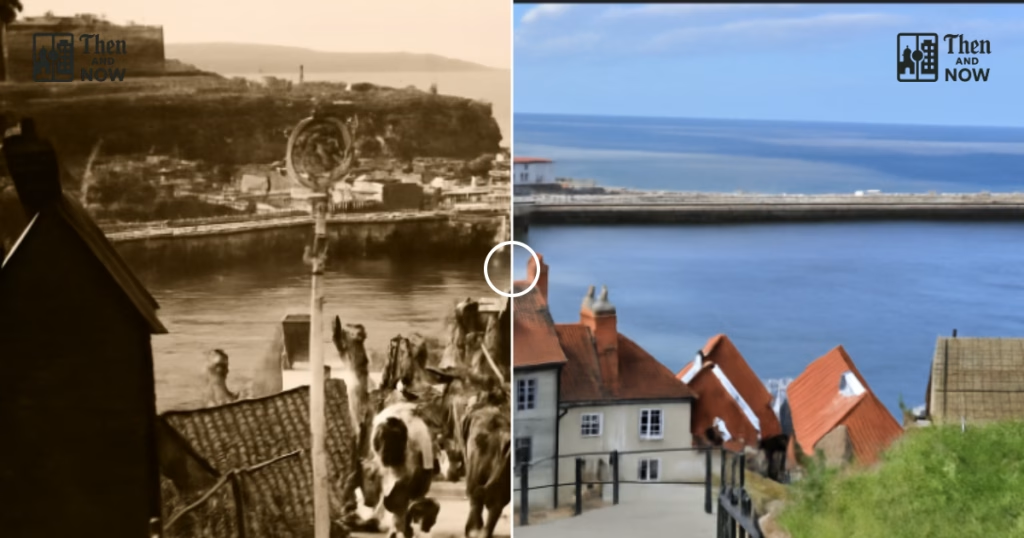
    199 Steps, Whitby 1931 – 2026

    Then and now comparison: 199 Steps, Whitby 1931 – 2026View interactive comparison →

    The 199 Steps in Whitby, North Yorkshire, serve as a prominent landmark, connecting the town to the cliff-top St. Mary’s Church and the historic Abbey. This iconic staircase has been a part of the landscape for centuries, offering visitors a scenic ascent with views over the North Sea and the surrounding area. The steps are believed to have been constructed in the early 19th century, providing access to the higher ground that has significant historical importance.

    Today, the steps remain a popular attraction for both locals and tourists, preserving their cultural significance while being a testament to the town’s rich maritime heritage. The comparison of past and present highlights the enduring charm of this site, reflecting its role in Whitby’s identity.

    (more…)

  • The Old Country Store, Long Pond Iron Works, West Milford NJ, USA 1930 – 2026

    The Old Country Store, Long Pond Iron Works, West Milford NJ, USA 1930 – 2026

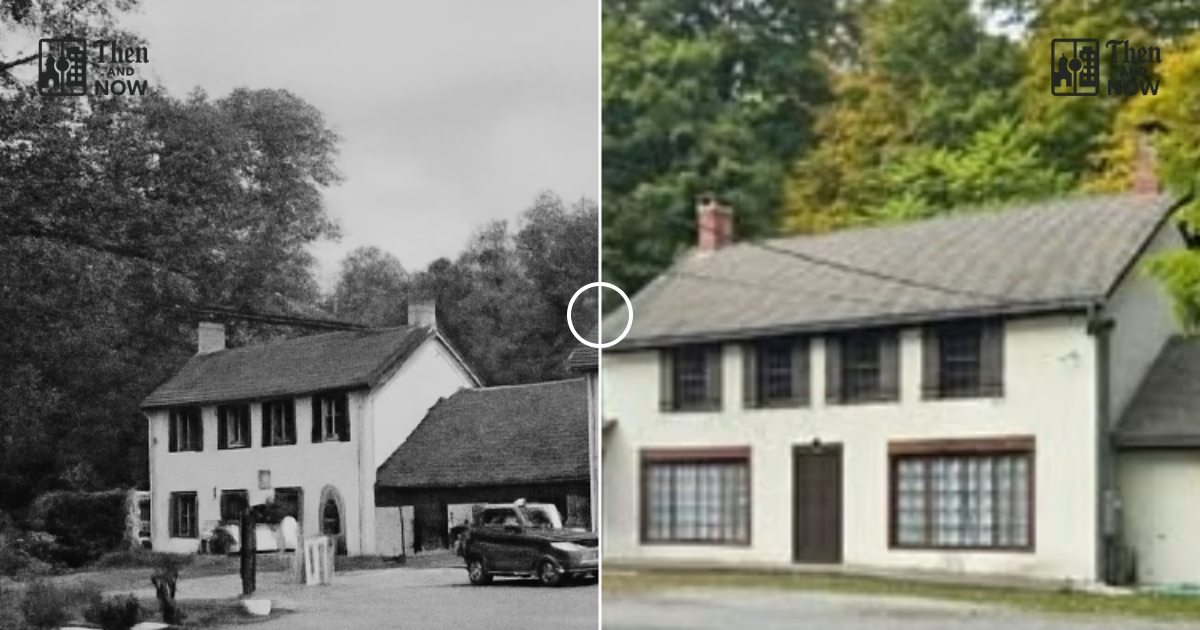
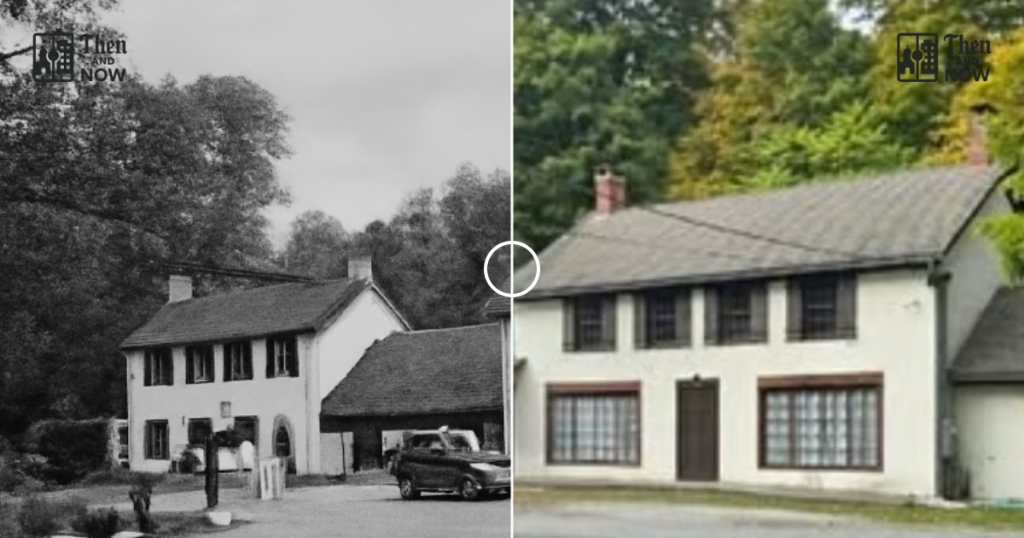
    Then and now comparison: The Old Country Store, Long Pond Iron Works, West Milford NJ, USA 1930 – 2026View interactive comparison →

    The Old Country Store, located within the Long Pond Iron Works, is a notable structure in West Milford, New Jersey. Originally established in the early 20th century, it served as a vital hub for the local community, providing goods and services to those involved in the ironworks. The store is emblematic of the region’s industrial heritage, reflecting the lifestyle and commerce of the time.

    In the present day, the store remains a point of interest, showcasing the evolution of the area while preserving its historical significance. The juxtaposition of past and present invites reflection on the changes in both the landscape and community life around Long Pond Iron Works.

    (more…)

  • Bodie State Historic Park 1970 – 2026

    Bodie State Historic Park 1970 – 2026

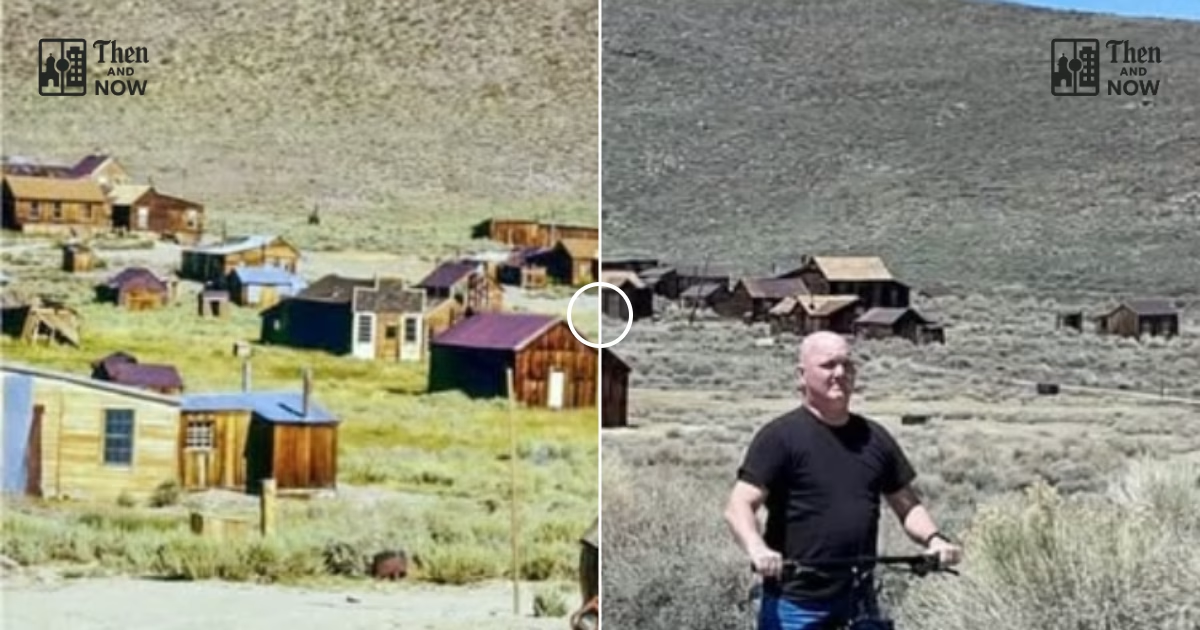
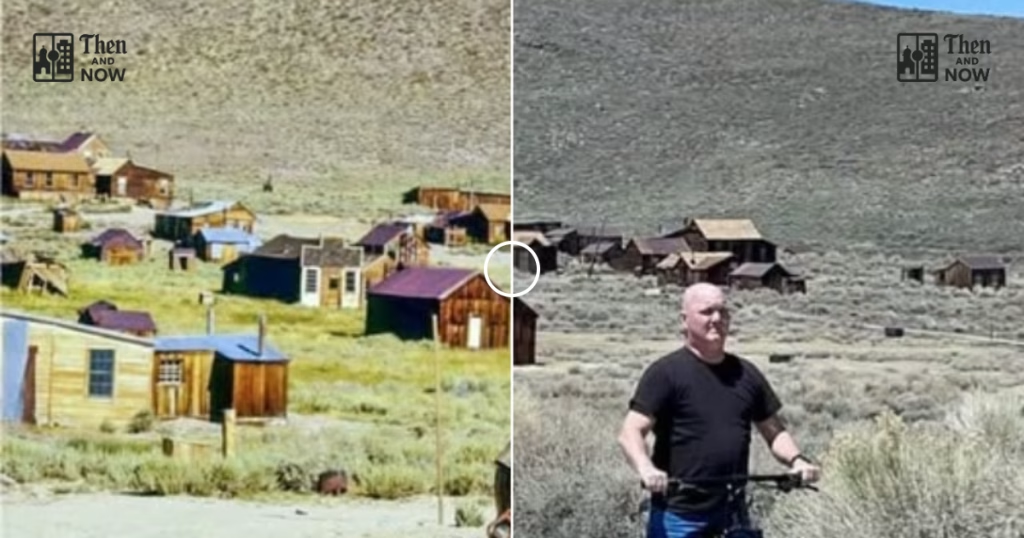
    Then and now comparison: Bodie State Historic Park 1970 – 2026View interactive comparison →

    The featured comparison highlights the iconic location of Bodie State Historic Park in Bridgeport, California, a site known for its well-preserved Gold Rush-era structures. The park has been a popular destination for visitors interested in the history of the American West, showcasing remnants of a once-thriving mining town. The earlier image captures the essence of this historic site as it appeared in the 1970s, while the contemporary photograph reflects ongoing preservation efforts and the park’s enduring appeal. Despite changes over the decades, Bodie remains a testament to the rich history of California’s mining boom.

    (more…)

  • Million Dollar Highway 1890s – 2026

    Million Dollar Highway 1890s – 2026

    Then and now comparison: Million Dollar Highway 1890s – 2026View interactive comparison →

    The Million Dollar Highway, part of U.S. Route 550, is renowned for its breathtaking views and challenging terrain in Colorado. The highway’s construction began in the late 1800s, primarily facilitating access to mining towns and contributing to the region’s economic development. The route has since evolved into a prominent tourist attraction, drawing visitors to its stunning mountain landscapes.

    While the original highway was designed for the needs of the mining industry, today it serves as a vital connection for travelers seeking adventure and natural beauty. The transformation from a utilitarian road to a scenic byway highlights the changing priorities in transportation and tourism over the years.

    (more…)

  • Burton-upon-Trent 1906 – 2025

    Burton-upon-Trent 1906 – 2025

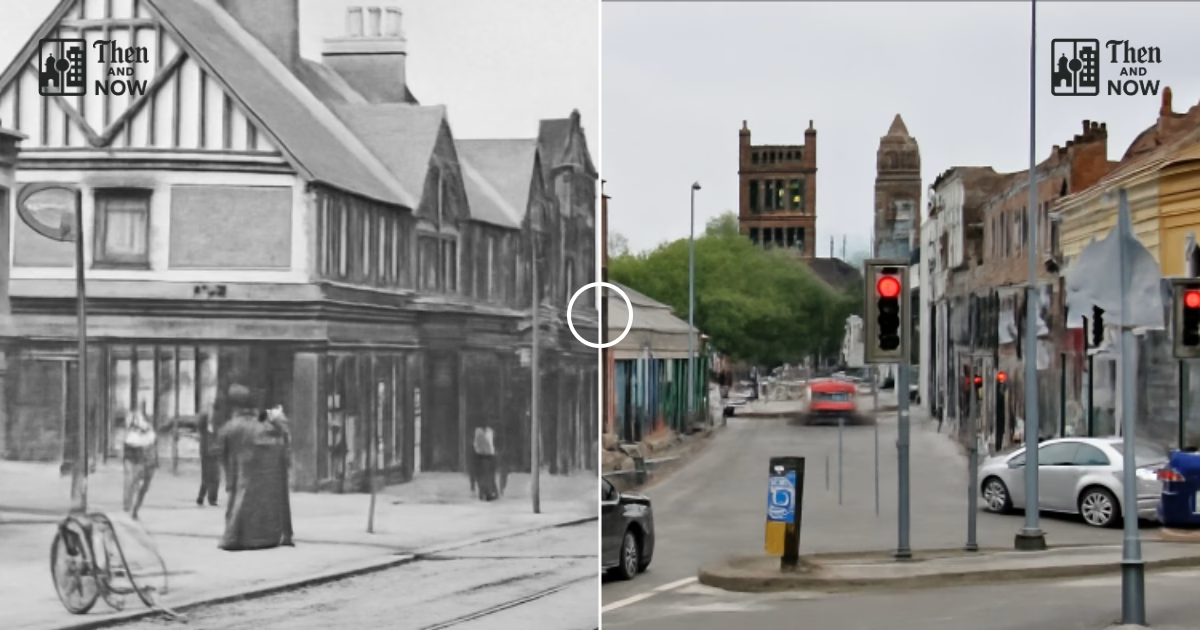
    Then and now comparison: Burton-upon-Trent 1906 – 2025View interactive comparison →

    The photograph captures a moment in time when Burton-upon-Trent was served by an electric double-decker tram, a service that commenced in 1903. The tram system, operated by the local corporation, was a significant mode of transport for residents, offering a reliable means of navigating the town. However, by the end of 1929, the tramway was discontinued as the municipality shifted towards more economical motor buses. This transition marked a change in urban transport, as buses provided greater operational flexibility and reduced maintenance costs associated with tram infrastructure. Today, remnants of the tram era are largely absent, reflecting the evolution of public transport in the area.

    (more…)

  • St Ann’s Well Café, Malvern Hills 1900 – 2025

    St Ann’s Well Café, Malvern Hills 1900 – 2025

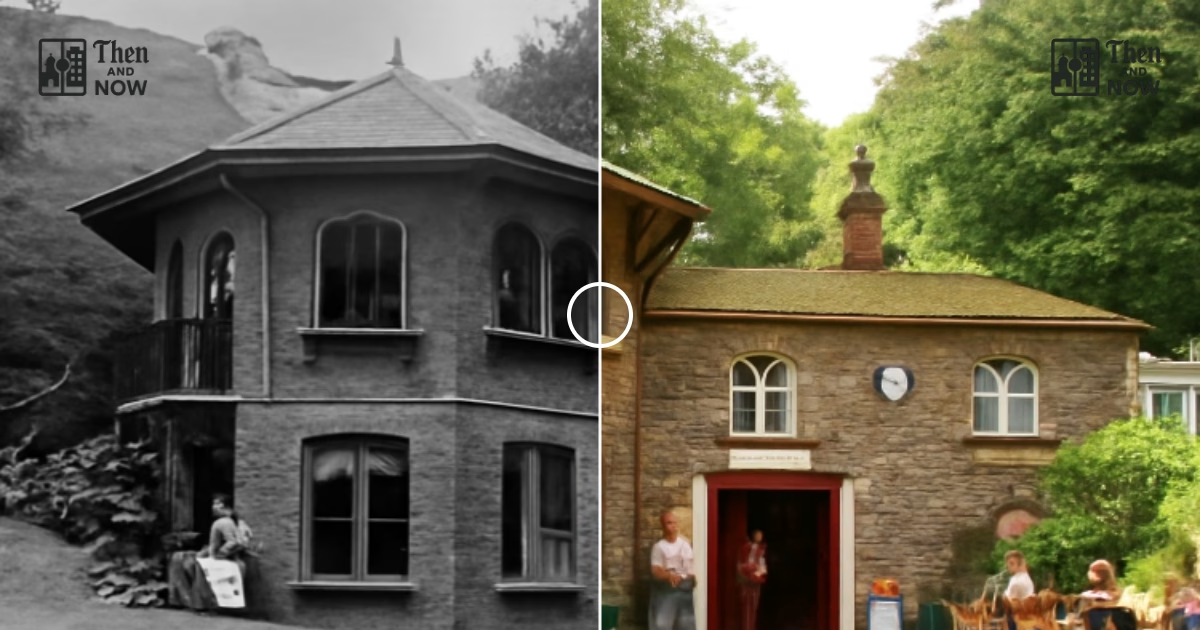
    Then and now comparison: St Ann’s Well Café, Malvern Hills 1900 – 2025View interactive comparison →

    St Ann’s Well Café, established in 1813 on the scenic Malvern Hills, was originally designed as a pump room for a Victorian spa. It featured a beautifully carved marble spout, which drew from a natural spring believed to have therapeutic properties.

    In the mid-20th century, the café faced the threat of demolition, but a successful preservation campaign led by the renowned poet Sir John Betjeman ensured its survival. Today, this Grade II listed building remains a cherished destination, offering refreshments to walkers and visitors who appreciate its historical significance and picturesque surroundings.

    (more…)

  • Revolution House, Old Whittington 1858 – 2025

    Revolution House, Old Whittington 1858 – 2025

    Then and now comparison: Revolution House, Old Whittington 1858 – 2025View interactive comparison →

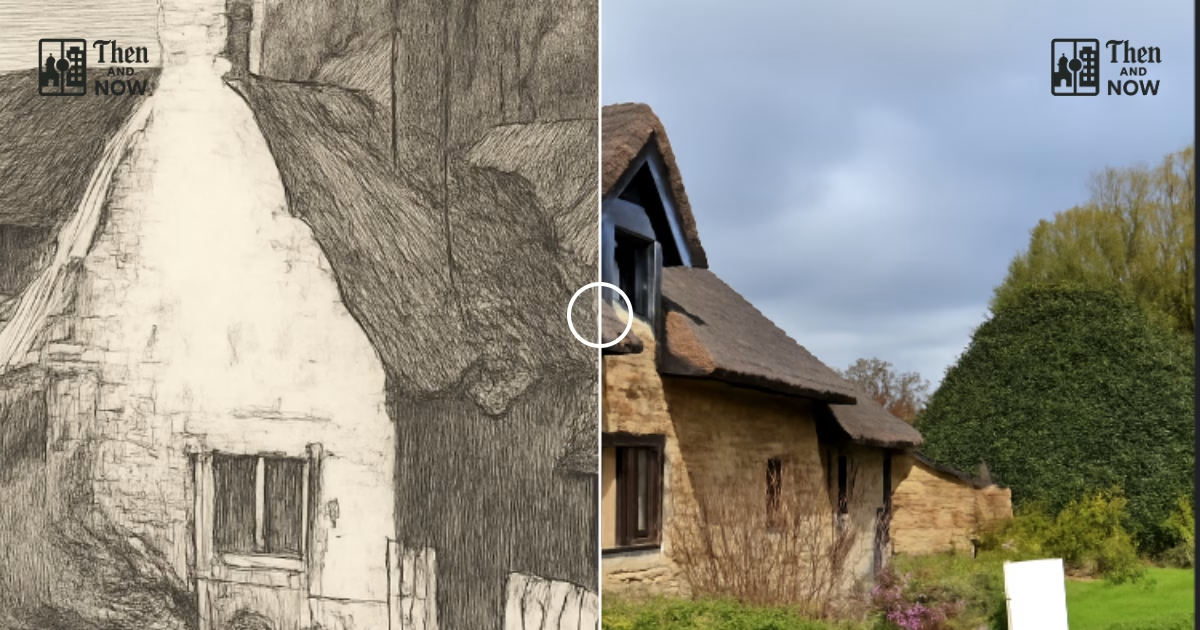
    Revolution House, located in Derbyshire, is a notable 17th-century public house with a rich historical background. It served as the clandestine meeting place for conspirators plotting the Glorious Revolution of 1688, an event that resulted in the ousting of King James II and a significant shift in British governance. The building’s role in these pivotal moments of history adds to its significance.

    Now recognized as a Grade II* listed museum, Revolution House has been thoughtfully preserved, allowing visitors to explore the very space where these crucial discussions took place. This transformation from a humble alehouse to a historical landmark offers a unique glimpse into the past and the events that shaped the nation.

    (more…)